







Choosing the right area rug can transform a room. It adds warmth and defines spaces. But selecting the perfect rug involves more than just picking a pattern you like.
Size and style are crucial. A rug that's too small can make a room feel disjointed. Too large, and it might overwhelm the space.
Understanding the balance between rug size and room dimensions is key. A rug size chart can be a helpful tool. It guides you in selecting the right dimensions for your space.
Style is equally important. The rug should complement your existing decor. It can be a bold statement piece or a subtle accent.
Consider the room's function. A living room rug might differ from one in a bedroom or dining area. Each space has unique needs. Material and pile height also play a role. They affect comfort, maintenance, and durability.
This guide will help you navigate these choices. You'll learn how to pick the perfect area rug for your home.
1. Measure Your Space First
Before you even think about the style, start with measurements. Knowing the room's dimensions ensures that your rug complements, not overwhelms.
Grab a tape measure. Check both the length and the width of the space. Also, consider the placement of furniture when measuring.
Visualize how much floor space you want the rug to cover. For example, do you want the rug under all the furniture or just the front legs? This decision impacts the rug size you need.
Consider traffic flow. Ensure there’s enough room for people to move around comfortably. A too-small rug can make a room feel choppy.
Use this quick checklist to measure effectively:
- Mark your desired rug edges with painter’s tape.
- Measure furniture around the area.
- Consider door clearance for thick rugs.

Measuring is the first and vital step. It lays the foundation for your style choices later. If you're working with limited square footage, check out our guide on choosing the right area rug for small spaces for additional tips.
2. Use a Rug Size Chart for Reference
A rug size chart can be your best friend. It offers a visual guide to match rug sizes to room dimensions and furniture layouts.
Charts eliminate guesswork. They show standard sizes and recommended placements, making selection simpler. Using one ensures you’re buying the right size from the start.
These charts often provide suggestions based on room types. You’ll find typical sizes for living rooms, dining areas, and bedrooms all clearly laid out.
Here's what a typical rug size chart includes:
- Living rooms: 5’x8’, 8’x10’, 9’x12’
- Dining rooms: 6’x9’, 8’x10’, 10’x14’
- Bedrooms: 6’x9’, 8’x10’, 9’x12’
Having a chart on hand offers quick access to standard sizes. Keep it nearby when shopping.

Using a rug size chart helps align your vision with practical choices. It’s a simple step that can save time and prevent mistakes.
3. Living Room Rug Size and Placement Tips
Choosing the correct rug size for your living room is essential. The right rug can make the space feel cohesive and warm. Here are some quick tips to guide you.
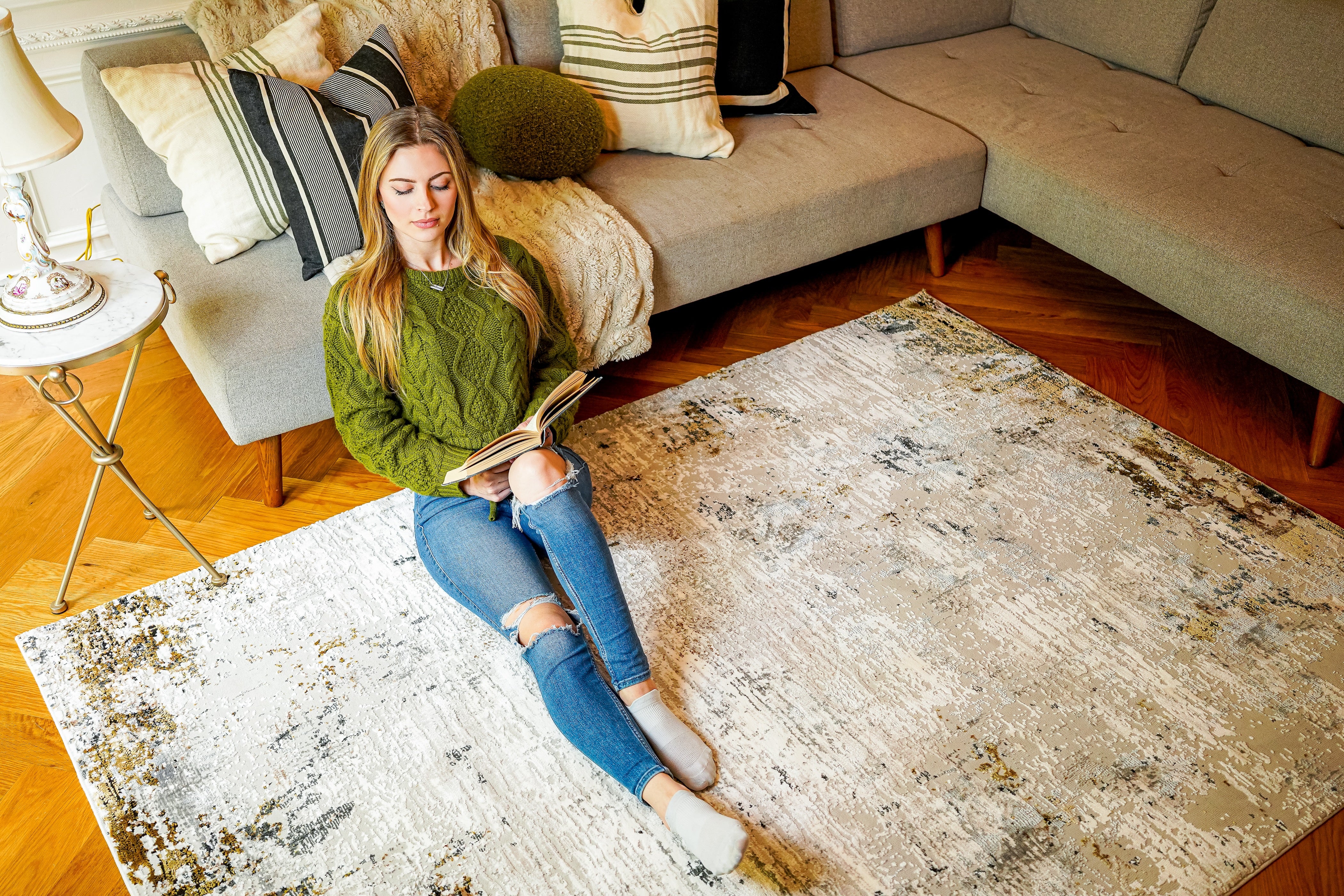
First, consider the size of the room and furniture layout. A larger rug unifies the space, while a smaller one may fragment it. The rug should extend beyond the furniture edges.
A common living room rule is placing furniture legs. The front legs of sofas and chairs should sit on the rug. This technique connects all pieces together in harmony.
Here are some popular living room rug sizes:
- 5’x8’ for small areas
- 8’x10’ for medium setups
- 9’x12’ for larger rooms
The placement must balance the room's dimensions and traffic flow. Avoid having the rug touch the walls; leave some floor visible around the edges.
Consider room shape and furniture arrangement when choosing a rug. The right rug can transform your living room from ordinary to inviting and stylish.
4. Bedroom Rug Size and Placement Tips
Selecting the right rug for your bedroom enhances comfort and style. A well-placed rug can make your bedroom more inviting and cozy.
Begin by measuring the room and bed size. The rug should extend beyond the sides and foot of the bed to create a balanced look. This ensures a soft landing when you step out of bed.
Think about how much of the rug you want to show. An option is placing the rug under the bed, allowing at least two feet of the rug exposed on each side. This gives plenty of coverage and ensures the rug doesn’t look lost.
Consider these common rug sizes for bedrooms:
- 6’x9’ for twin beds
- 8’x10’ for queen beds
- 9’x12’ for king beds
When deciding on placement, remember that symmetry matters. The rug should align with the bed and any nightstands. Keeping these tips in mind will help you create a cozy and aesthetically pleasing bedroom space.
Choose a rug that complements the room decor. The perfect rug can transform a simple bedroom into a tranquil haven.
5. Dining Room Rug Size and Placement Tips
The dining room rug serves both aesthetic and functional purposes. It can enhance your dining experience by adding elegance and comfort.
A key rule is that the rug should extend beyond the table. This allows chairs to sit comfortably on it when pulled out. To achieve this, add at least 24 inches on all sides of the table. This ensures stability and prevents snagging when moving chairs.
Consider the shape of your dining table when choosing a rug. A round table pairs beautifully with a round rug, adding visual harmony. For rectangular tables, opt for a rug with similar dimensions to maintain balance.
Here are standard sizes often used in dining rooms:
- 8’x10’ for six-seat tables
- 9’x12’ for eight-seat tables
- 10’x14’ for ten-seat tables
Align the rug symmetrically beneath the table for a polished look. This not only enhances the room’s layout but also adds a layer of sophistication. Choosing the right size ensures functionality and keeps your dining space inviting for family meals and gatherings.
6. Consider Rug Shape for Your Room
The shape of your rug can influence how your room feels and functions. Rectangular rugs are versatile and suit most spaces, but exploring other shapes can add personality.
Round rugs are ideal for small areas or under round furniture like a circular table. They create a cozy and inviting atmosphere. An oval rug can soften the harsh lines of rectangular furniture, offering a balanced look.
In unique spaces, a square rug may fit perfectly. It's an excellent choice for square rooms or to center specific furniture arrangements. Consider irregular or asymmetric rugs for more artistic flair. They add intrigue and can serve as a focal point.
Here's a quick list of rug shapes to consider:
- Rectangular
- Round
- Square
- Oval
- Irregular
Choosing the right shape helps define areas within a room. It enhances the aesthetic by complementing your furniture layout. This thoughtful selection ensures both beauty and practicality, transforming your space into a well-coordinated haven.
7. Match Rug Style to Your Decor
Picking the right rug style is crucial for cohesive decor. A mismatch can disrupt harmony, while the right match elevates a room's design. Start by examining existing elements.
Consider the room's color palette and patterns. A neutral rug provides a backdrop for bold room colors, while a vibrant rug can add life to a muted scheme. Think about pattern, too.
If your furniture is patterned, a solid or subtle rug balances the look. Conversely, plain furniture can be paired with a bold-patterned rug for drama. Style matters as much as color.
Choose a rug style that echoes the room’s aesthetic. Traditional rugs suit classic themes, while modern or abstract designs fit contemporary spaces. Here’s a quick checklist to guide you:
- Align colors and patterns
- Complement the room's style
- Consider harmony in design
Rug styles can reflect personal taste and create visual interest. A well matched rug enhances room aesthetics, making the space feel intentional and welcoming.
Choose a rug style that echoes the room's aesthetic. Traditional rugs suit classic themes, while modern or abstract designs fit contemporary spaces. Browse Arconiz's collection to find styles that complement your home's unique character.
8. Choose the Right Rug Material and Pile Height
The material of a rug greatly impacts its look and feel. Wool, cotton, and synthetic materials each have unique properties. Understanding these helps in choosing wisely.
Wool is a popular choice due to its durability and plush feel. It's great for high-traffic areas. Cotton rugs are lightweight and easy to clean, making them ideal for casual spaces.
Synthetic rugs, often made of nylon or polyester, are affordable and come in vibrant colors. They're stain-resistant, perfect for households with kids or pets. Consider the purpose of the rug in your decision. For a deeper dive into the benefits and drawbacks of each material, read our comprehensive guide on understanding rug materials: wool, cotton, and synthetics.
Pile height is another critical factor. Low-pile rugs are easier to clean and work well in high-traffic areas. High-pile rugs, like shag, offer comfort underfoot but require more maintenance.
Here's a list of key considerations for rug material and pile height:
- Durability and maintenance
- Comfort and texture
- Suitability for room function
Selecting the right material and pile can enhance both aesthetics and functionality. Each choice offers different benefits, catering to distinct household needs and room environments.
9. Layering Rugs for Texture and Depth
Layering rugs is an exciting way to add texture and depth. It's a trend that's both stylish and functional. By layering, you can easily change a room's vibe.
Start with a large, neutral base rug. This sets the stage for a smaller, more vibrant rug on top. The contrast can be striking and creates visual interest.
Layering also offers flexibility. You can update the top rug seasonally or according to mood. This approach allows for creative expression without a big commitment.
When layering rugs, consider the following:
- Use varying textures for contrast
- Play with different shapes and sizes
- Coordinate colors for harmony
Layering can transform a plain room into one with character and warmth. It's perfect for those who like to experiment with home decor. Enjoy the versatility it brings to any space.
10. Don’t Forget Rug Pads and Maintenance
Rug pads play a crucial role in rug upkeep. They help maintain the rug's position by preventing slips. Additionally, pads protect floors and boost rug durability.
Selecting the right rug pad depends on the floor type. For hardwood, choose a non-slip option. On carpet, a grip-style pad works best. Always check for compatibility to avoid floor damage.
Maintenance is just as important as the pad itself. Regular cleaning prolongs a rug’s life and keeps it attractive. Vacuum weekly to remove dust and dirt, especially in high-traffic areas.
Periodically, rotate your rug to ensure even wear. This simple practice reduces fading and pressure marks. Also, consider professional cleaning once a year for thorough maintenance. For detailed instructions on keeping your rug looking its best, explore our step-by-step tutorial on how to wash an area rug.
Key points for proper rug maintenance include:
- Using appropriate rug pads
- Regular vacuuming
- Rotating and professional cleaning
With these tips, a well-maintained rug can stay beautiful and functional for years. You’ll protect your investment and enjoy a neat, inviting space.
Area Rug Size Guide: Quick Reference Table
Choosing the right rug size can be simplified by a handy rug size guide. This guide offers quick references for common room settings. Use it to ensure your rug enhances the room while fulfilling its functional purpose.
Here is a brief size guide for different spaces:
- Living Room: 8x10 ft or 9x12 ft
- Bedroom: 6x9 ft or 8x10 ft
- Dining Room: 8x10 ft or 9x12 ft (allowing space for chairs)
With this information, you can pick sizes that align with your room’s layout. It's a simple yet effective way to ensure compatibility and style cohesion.
Common Mistakes to Avoid When Choosing Area Rugs
Selecting an area rug might seem straightforward, but common pitfalls can diminish its impact. Being aware of these errors helps enhance your space's comfort and visual appeal.
One frequent mistake is choosing a rug that's too small. This error makes furniture look awkward and the room feel disjointed. Always ensure the rug accommodates the layout comfortably.
Another mistake involves ignoring the style mismatch. A rug that clashes with your existing decor can disrupt the room's aesthetic. Always consider texture, pattern, and color compatibility.
Other errors include:
- Skipping the rug pad for stability
- Overlooking maintenance needs
- Forgetting to consider foot traffic
Avoid these pitfalls to ensure your rug selection is both stylish and functional. A thoughtful choice can greatly enhance your home's ambiance.
Transform Your Space with the Right Rug
Area rugs are powerful tools for enhancing home decor. The right rug can add warmth, define spaces, and tie a room together.
By choosing the right size and style, you can transform any space into a harmonious and inviting environment. Whether bold or subtle, your choice should reflect your personal style and meet practical needs. Aim for a balance between form and function, and your home will feel both cozy and stylish. Embrace the opportunity to make your space shine with an area rug that suits your needs and tastes.
Ready to Find Your Perfect Area Rug?
Now that you know how to choose the ideal rug for your space, it's time to explore options that bring your vision to life. At Arconiz, we offer a curated collection of high quality area rugs in various sizes, styles, and materials to suit every room and aesthetic.
Whether you're looking for a statement piece for your living room, a cozy addition to your bedroom, or a durable rug for high-traffic areas, we have something perfect for you.
Shop our Area Rug collection now and transform your space today!