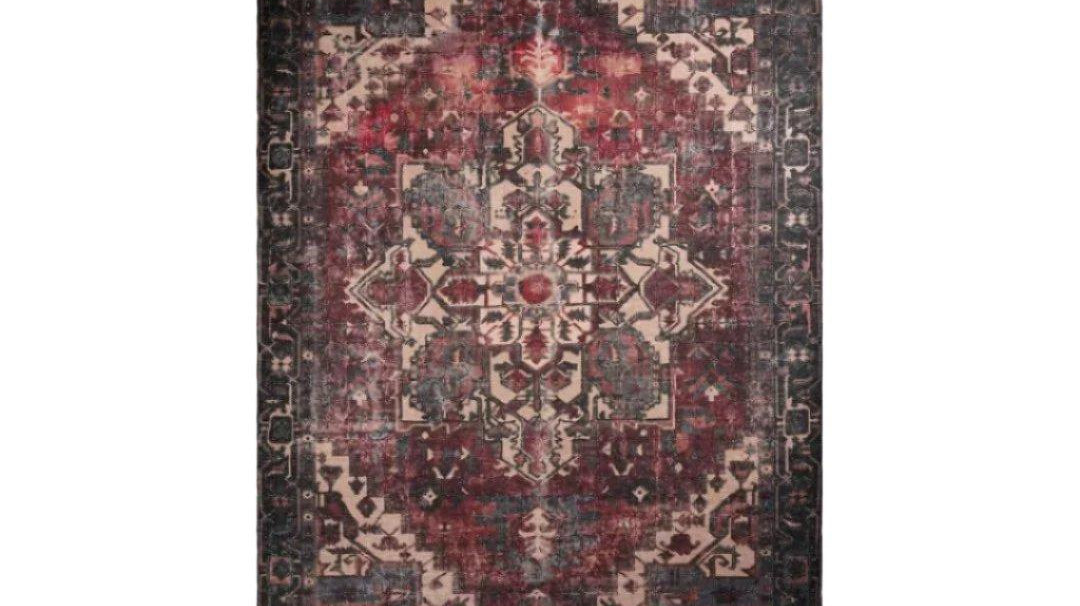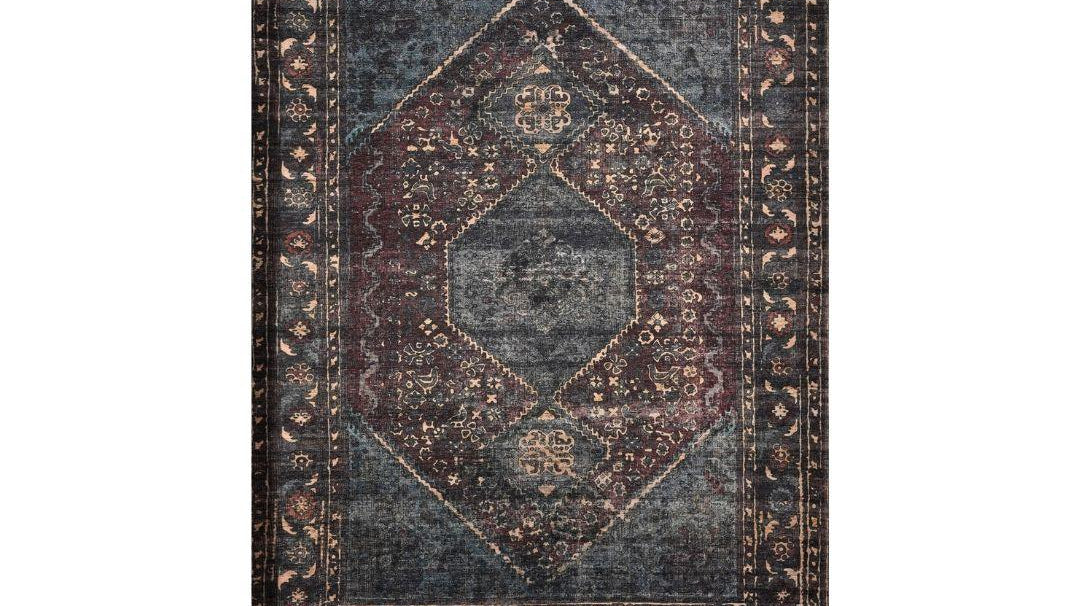






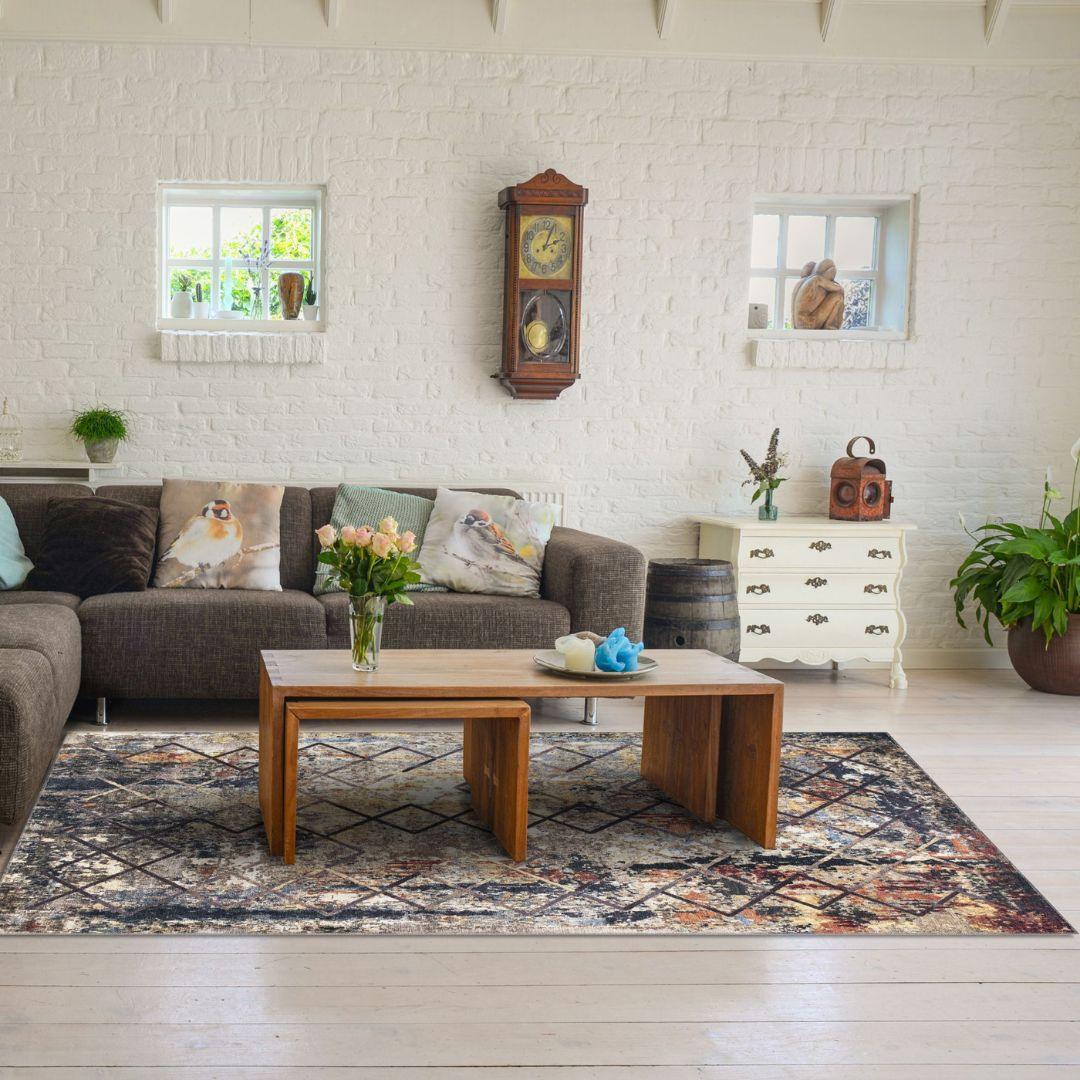


Choosing the right area living room rug size can transform your space. It can make your room look bigger and more inviting.
A well-sized rug can unify your furniture and create a cohesive look. It can also define different areas in an open-plan space.
The right rug can enhance your living room decor, adding warmth and style. It can also help absorb sound and add comfort underfoot.
Selecting the perfect rug involves considering size, color, and placement. These factors can significantly impact the perception of space in your room.
In this guide, we'll explore ten tips to help you choose the best rug size. These tips will ensure your living room looks spacious and stylish.
Why Rug Size Matters in Living Room Decor
The size of your rug can dramatically change your living room's look. A correctly sized rug makes your space feel balanced and welcoming. It impacts how furniture appears and defines the room's boundaries.
Understanding the importance of rug size is key in home decor. A larger rug can make a room appear more expansive and cohesive. Conversely, a small rug might seem out of place, disrupting the room's flow.
When choosing a rug, consider these critical points:
- Ensure the rug fits your furniture layout.
- Focus on creating a unified look.
- Remember the rug's role in framing the room.
Each of these factors contributes to making your living room functional and stylish. The right rug can blend the décor seamlessly and create a harmonious ambiance. Start by visualizing how your furniture fits on the rug before making a choice.

Tip 1: Go Bigger Than You Think
One common mistake is choosing a rug that's too small. Bigger rugs create a more unified look and feel. A large rug can envelop the room, making it appear larger than it is.
Before purchasing, remember these guidelines:
- Opt for a size that covers a substantial portion of the floor.
- Ensure the rug can hold most, if not all, furniture pieces.
- Visualize how the room appears when you draw an outline with tape.
Often, it helps to measure the space and think ambitiously. Consider going a size up from your initial thought. A bigger rug can seamlessly integrate with furniture, creating harmony. For more guidance on finding the right fit, especially if you're working with creative ideas for styling rugs in small living rooms, you'll discover that strategic sizing makes all the difference.

Tip 2: Anchor All Furniture Legs on the Rug
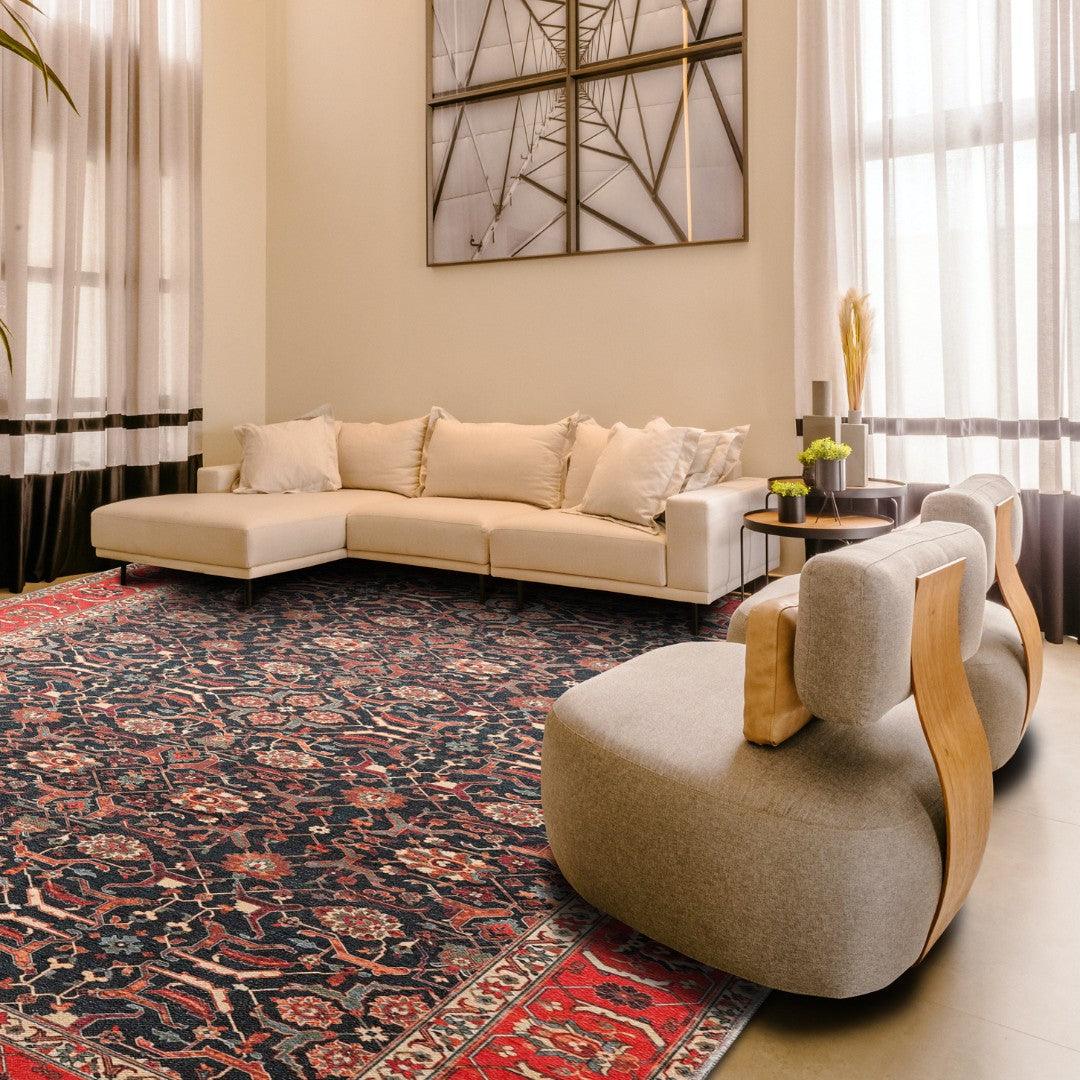
A rug that accommodates all furniture legs can define a space beautifully. This approach creates a cohesive look, eliminating any visual clutter. By anchoring each piece, you create a unified layout.
Consider these benefits:
- Adds balance to the room’s aesthetic.
- Enhances comfort by providing a consistent surface underfoot.
- Improves room flow, helping guide the eye smoothly.

However, if the rug can't fit all legs, place at least the front legs on it. This compromise still provides a sense of connection among furniture items. Visualizing your layout can help determine the ideal rug size.
Tip 3: Use Light Colors and Subtle Patterns
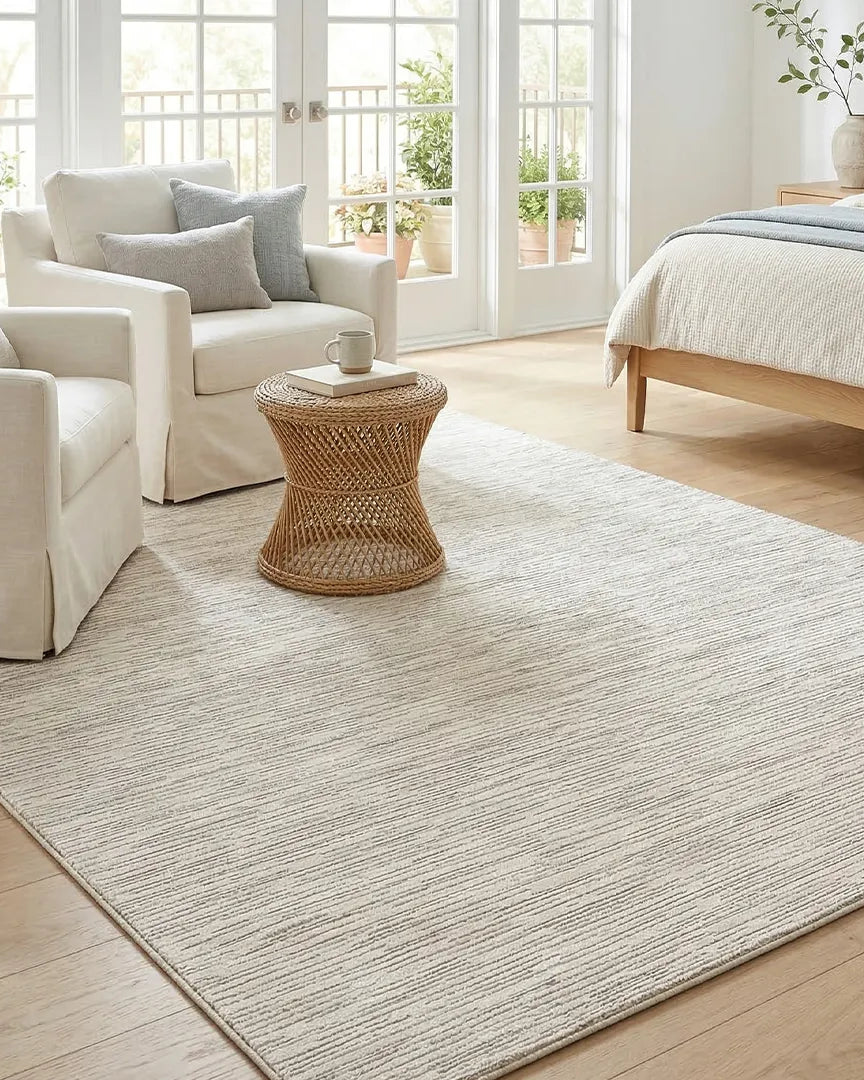
Light colors work wonders in making a room appear larger and more open. They reflect more light, thereby enhancing brightness and expansiveness. Subtle patterns can add interest without overwhelming the space.
Consider these color and pattern tips:
- Opt for pale hues like cream or pastel shades.
- Choose minimalist designs for a modern feel.
- Avoid busy patterns that may clutter the visual field.

Subtle patterns can add depth and charm to your living room without dominating the decor. They create visual interest while keeping the space airy. This choice makes your area feel more refined and spacious. If you're wondering how to choose the perfect rug color based on your room's mood, consider how lighter tones can enhance your desired atmosphere.
Tip 4: Leave a Border of Floor Space
Leaving a border of floor space around your rug creates a frame that defines your living area. This framing technique adds a sense of order and allows the room to flow naturally.
Here are some border tips to consider:
- Leave 8-12 inches between the rug edge and walls.
- Ensure the flooring serves as a visual frame.
- Use this technique to keep the focus on the center of the room.

A well-framed rug showcases your flooring and maintains balance. It enhances the aesthetics by emphasizing the room's architecture. This method helps the space feel intentionally designed and spacious.
Tip 5: Define Zones in Open-Plan Spaces
Open-plan living spaces need defined areas to create order. Rugs are excellent tools for delineating zones within these large spaces. This approach not only structures your room but also enhances its functionality.
Consider these guidelines when defining zones:
- Use rugs to mark living, dining, and reading areas.
- Select rugs that complement the theme of each zone.
- Maintain consistency with color palettes for harmony.

This method allows each area to have its own identity while maintaining a cohesive look throughout the space. By skillfully using rugs, you can create a seamless flow that connects different functions in your living area.
Tip 6: Layer Rugs for Depth and Dimension
Layering rugs can introduce a new level of depth and texture to your living room. This technique instantly adds visual interest and warmth. It's a simple way to make the room feel cozier without major changes.
When layering, consider these points:
- Start with a large base rug as the foundation.
- Place a smaller, patterned rug on top for contrast.
- Ensure color harmony between the layers and room decor.

Experiment with different textures, like mixing a woven rug with a plush one. This can add dimension and create a rich, tactile experience in your space. The result is a dynamic look that invites you to linger and enjoy. For professional techniques and insider tips on how to layer rugs like a professional designer, mastering this skill can truly elevate your interior design.
Tip 7: Choose the Right Rug Shape
The shape of your rug has a significant impact on the room's aesthetics. Choosing the right shape can highlight the architecture and layout. Rectangular rugs are classic and fit most spaces well.
However, don't shy away from exploring other shapes. Consider these options:
- Round rugs to soften a room's edges.
- Oval rugs for unique, elongated spaces.
- Square rugs in symmetrical areas.

Think about the interaction between furniture and rug shapes. A round rug under a circular table can enhance that area. Shapes can influence the mood, making the room feel balanced and inviting. Experiment to see what works best for your layout.
Tip 8: Consider Rug Material and Pile Height
Rug material and pile height influence comfort and maintenance. Some materials are more durable, while others exude luxury. Wool rugs are prized for durability and ease of cleaning. Synthetic rugs offer affordability and diverse styles.
Pile height can impact the room's texture and function:
- Low pile for high-traffic areas.
- Medium pile for comfort and everyday use.
- High pile for plush, cozy spaces.

Choose a material and pile height that fits your lifestyle and needs. Consider how the rug will be used and the room's traffic. Comfort underfoot is crucial but so is practical maintenance.
Tip 9: Use Rug Pads for Stability and Comfort
Rug pads are often overlooked but essential for stability. They prevent slipping and add an extra layer of comfort. A rug pad not only increases safety but also extends the rug's lifespan.
Consider these types of rug pads for your living room:
- Non-slip for hardwood or tile floors.
- Cushioned for added softness.
- Eco-friendly for sustainable choices.

Choose a rug pad that matches your floor type and household needs. Installing a pad enhances comfort underfoot, making any rug feel more luxurious. It's an easy step that ensures safety and long-lasting enjoyment.
Tip 10: Measure and Plan Before You Buy
Before purchasing a rug, measuring your space is crucial. A well-sized rug can transform the feel of a room. Start by measuring the entire room, noting door placements and furniture arrangements.
Planning helps you visualize how the rug will fit. Here are steps to take:
- Sketch your living room layout.
- Measure furniture dimensions.
- Decide on the rug style and placement.

This process avoids buying a rug that's too small or overwhelming. Planning ensures the rug enhances your living room's appeal and function. It also saves time and prevents costly mistakes.
Common Rug Sizing Mistakes to Avoid
Choosing the right rug size is crucial but often challenging. Many people make mistakes that can compromise the overall look. Avoid these common pitfalls to ensure a great fit for your living room.
Rugs that are too small often make rooms feel disjointed. Rugs that are too large may clutter the visual space. Follow these guidelines to avoid such issues:
- Don't assume one size fits all.
- Avoid cramming furniture on small rugs.
- Ensure rugs don’t obstruct door movement.

Being mindful of these mistakes will enhance your living room's functionality and style. Don't let simple errors diminish your decor's impact.
Final Thoughts: Transform Your Living Room with the Right Rug
The right rug can revolutionize your living room's aesthetic. It ties elements together and elevates the space dramatically.
Choosing wisely in terms of size, color, and material can enhance not just the room's look, but also its feel. Remember to plan carefully, measure properly, and consider your lifestyle needs. A well-chosen rug is not just decor, it's an investment in comfort and style.
Ready to find your perfect rug? Explore our curated collection of living room rugs at Arconiz and discover styles that will transform your space.