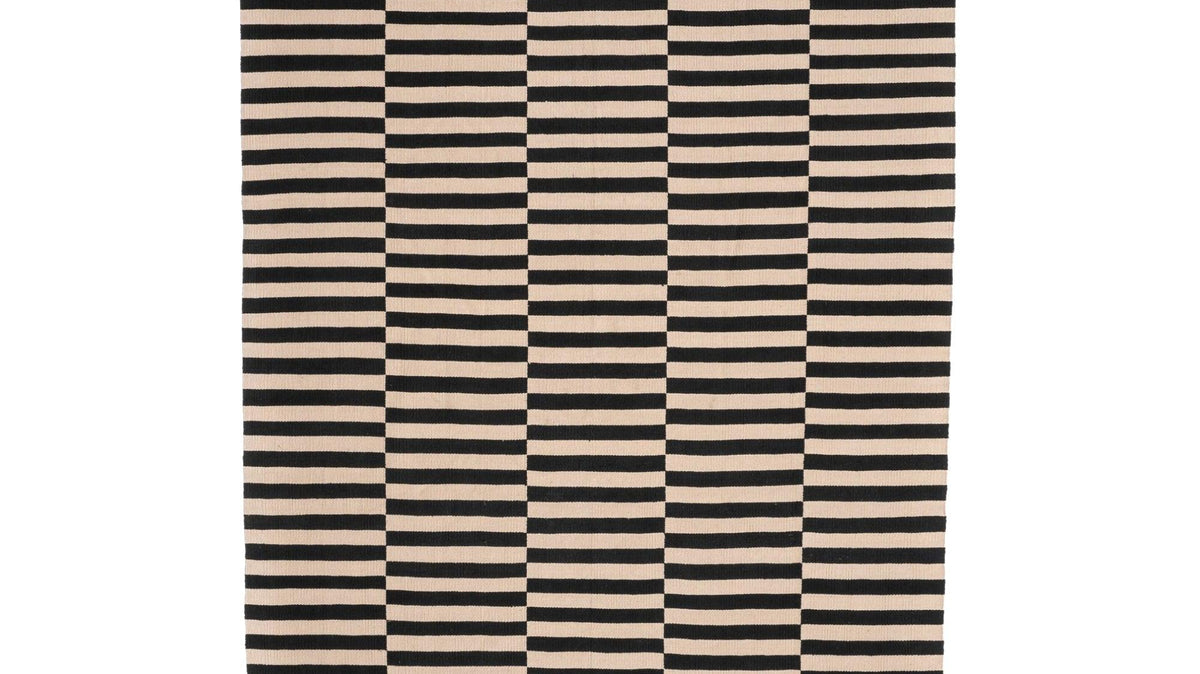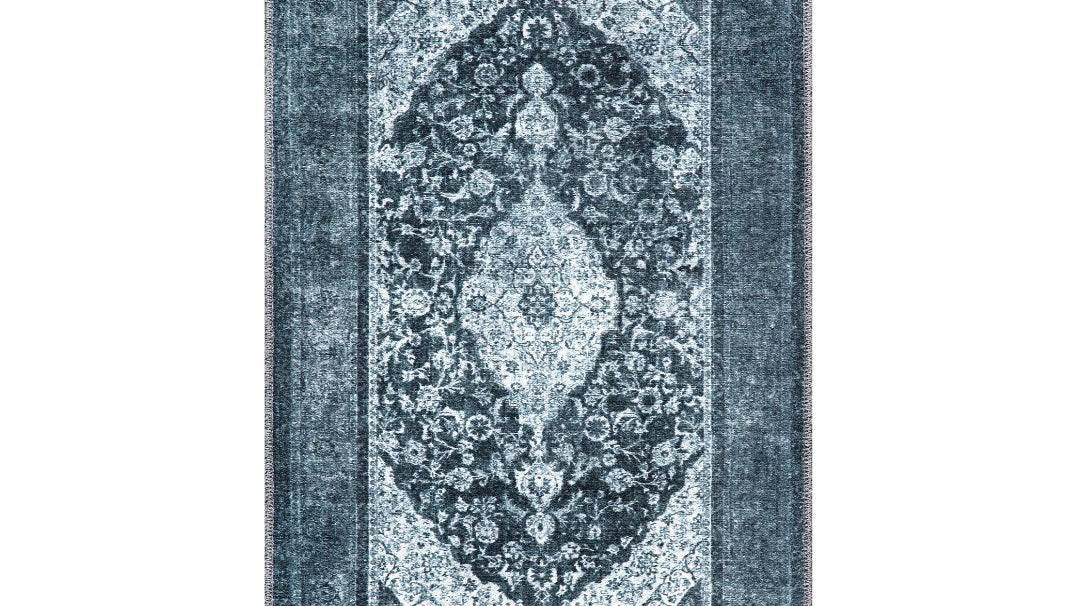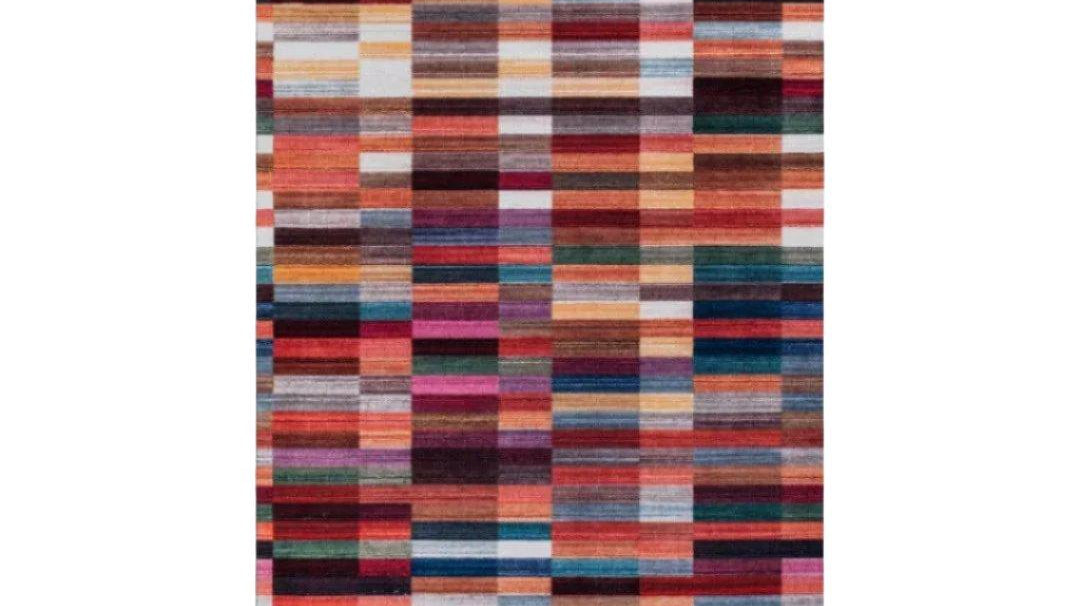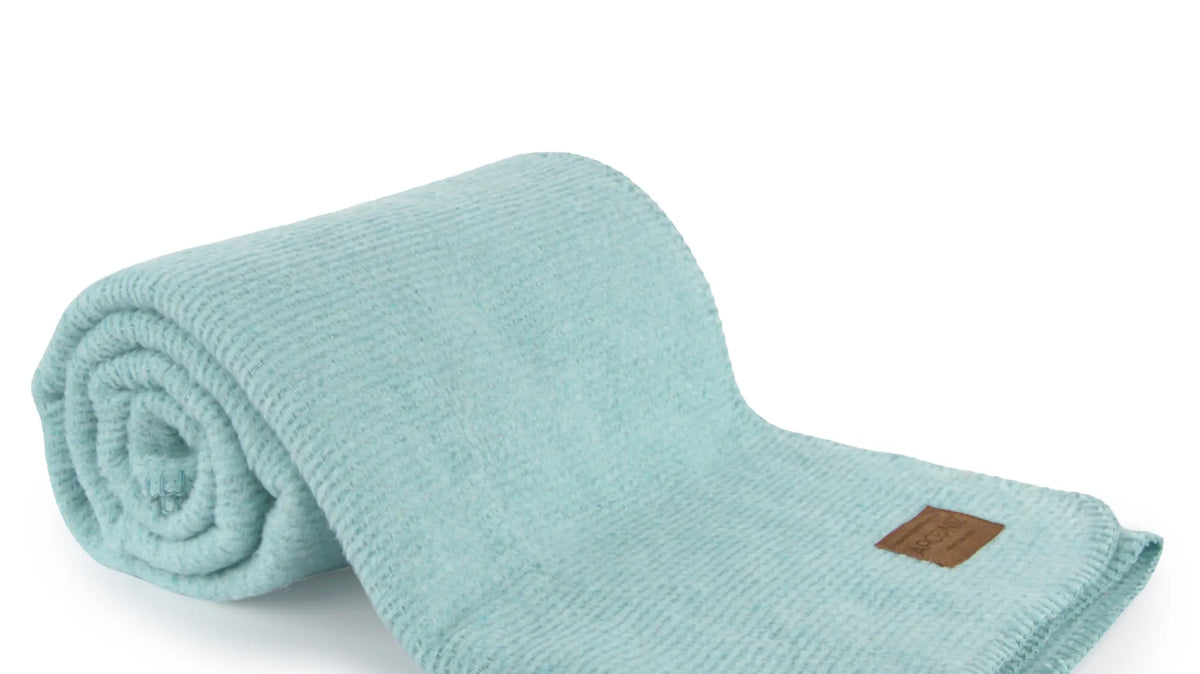








To build a gallery wall with textile art, start from one anchor piece, gather a mix of woven and framed pieces in a shared palette, lay it out on the floor first, and keep even 2 to 3 inch gaps. Adding a woven kilim or two among framed prints gives the wall texture a print-only grouping never has.
Key takeaways
- Start from one anchor piece and build outward.
- Unite mixed media with a shared colour palette.
- Lay the whole layout on the floor before drilling.
- Keep consistent 2–3 in gaps between pieces.
- A woven kilim among frames adds the texture a print wall lacks.

Step by step
- Pick an anchor. Your largest or boldest piece leads; everything else supports it.
- Gather a mix. Combine woven textile, framed prints and the odd 3D object, united by a shared palette.
- Lay it out on the floor. Rearrange until it feels balanced before a single hole is drilled.
- Keep even gaps. About 2 to 3 inches between pieces reads cohesive, not cluttered.
- Hang centre-out. Fix the anchor first, then work outward, levelling as you go.
Three gallery-wall layouts
| Layout | Feel |
|---|---|
| Grid | Tidy and modern — same-size pieces, equal gaps |
| Salon / organic | Collected and eclectic — mixed sizes around an anchor |
| Linear | Calm — a row along a shared centre line, great on a stair wall |
Tips for mixing textile and frames
- Odd numbers of pieces tend to feel more natural than even.
- Repeat a colour across the grouping to tie mixed media together.
- Vary scale — one large kilim, a few medium frames, a small piece or two.
- Balance weight — spread the visually heavy pieces so one side isn't bottom-heavy.
- Mind the depth — a chunky framed textile sits proud of flat frames, which adds welcome dimension.
Mistakes to avoid
- Uneven gaps that make the group look scattered.
- No anchor, so the eye has nowhere to land.
- Too many clashing colours — pick a palette and stick to it.
- Drilling before you've tested the layout on the floor or with paper templates.
Our smaller patchwork pieces (26x37 inches and under) are ideal gallery-wall building blocks, and because each is one-of-a-kind, your wall will be impossible to copy. For individual placement see the size guide and hanging guide. Browse the collection.
Written by the Arconiz team. Every piece is woven and framed in Türkiye, ready to hang.