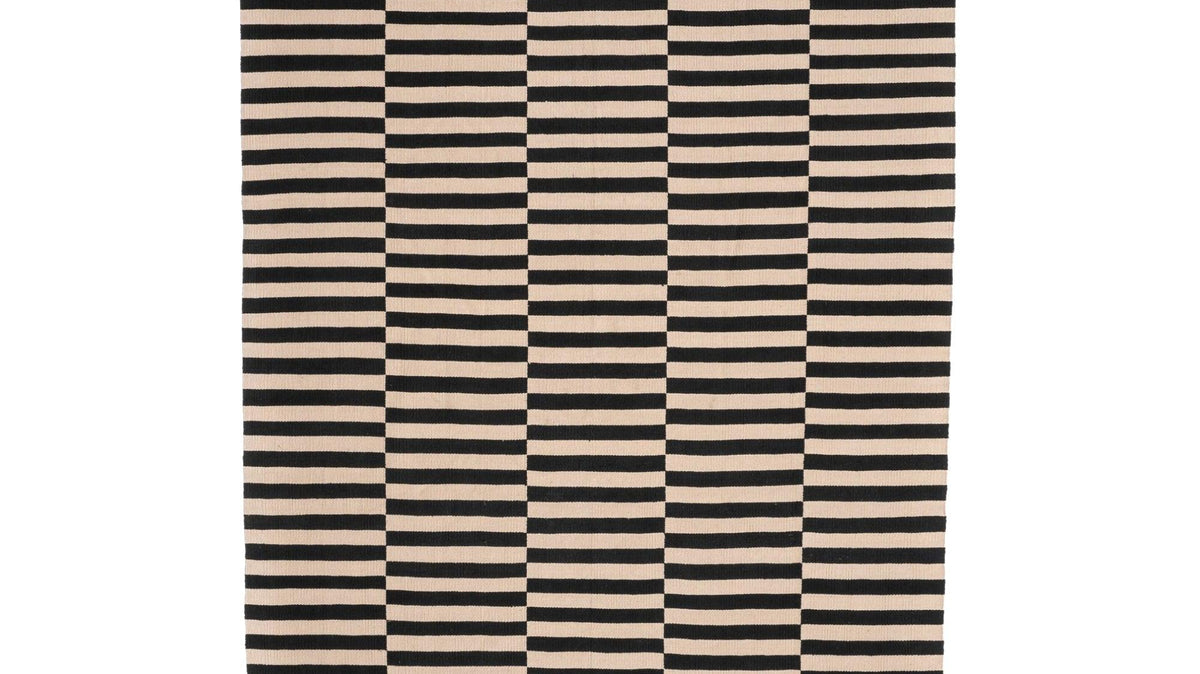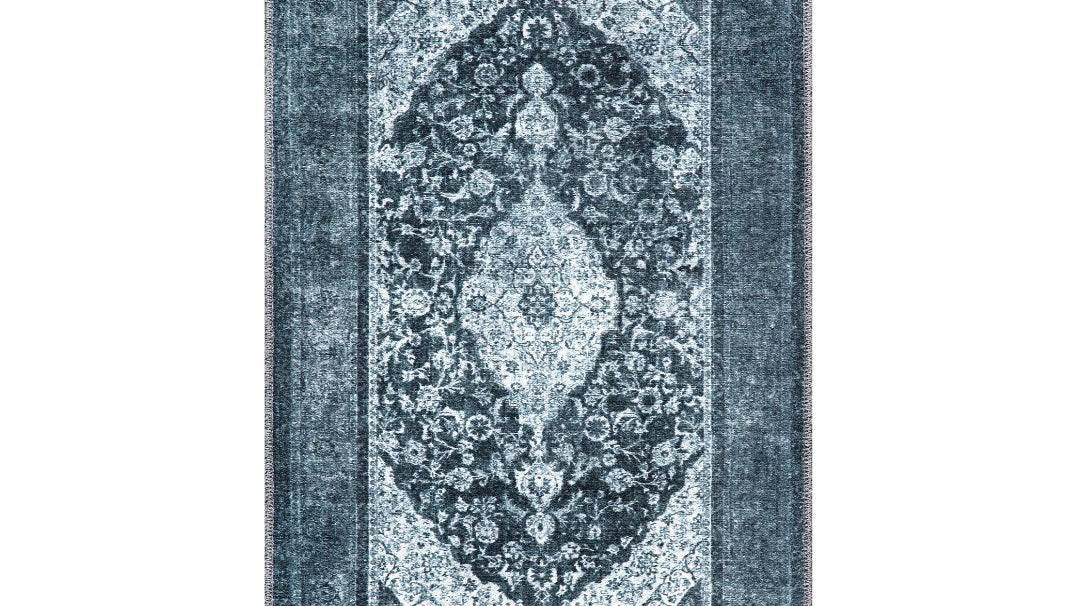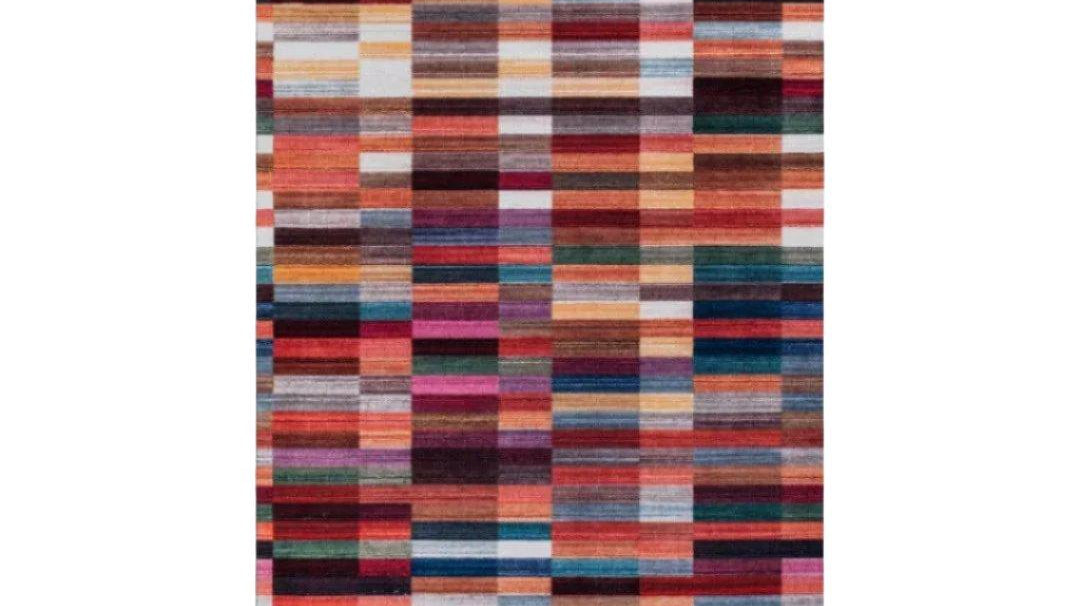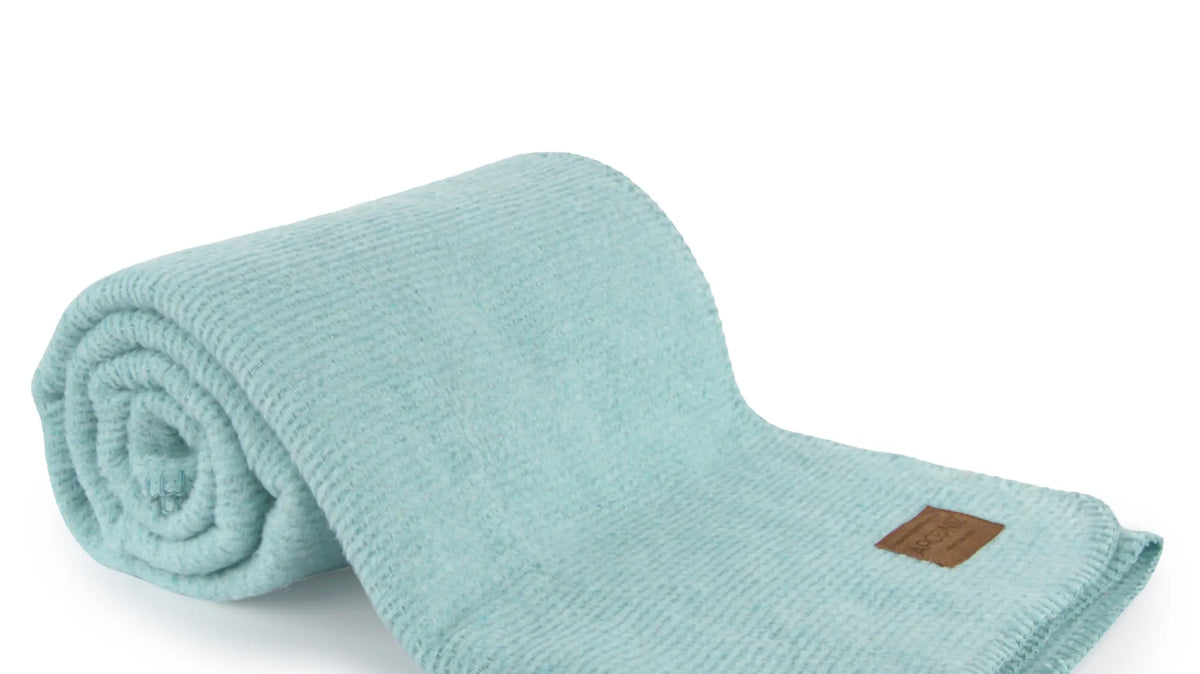








To hang heavy textile or kilim wall art, fix it into a wall stud or use a wall anchor rated above the weight of the piece — never rely on adhesive strips alone. Framed textile has real heft, so the fixing, not the hook, is what keeps it safely on the wall.
- A stud is the strongest fixing; otherwise use a weight-rated anchor.
- Match the anchor to the wall: molly bolt (drywall), masonry anchor (brick), concrete anchor (concrete).
- Never hang heavy framed textile on adhesive strips alone.
- Centre the piece near eye level, ~57–60 in to the middle.
- Our pieces arrive framed with D-ring hardware fitted, so only the wall fixing is up to you.

What you'll need
- A stud finder (or a nail to probe)
- A drill, and the right anchor for your wall
- A spirit level (or your phone's level app)
- A pencil and tape measure
Step by step
- Check the weight and wall type. Match your anchor to both the load and whether the wall is drywall, plaster, brick or concrete.
- Find a stud, or pick the right anchor. A stud is strongest. No stud where you need it? Use an anchor rated above the piece's weight.
- Mark and level. Mark the hook spot and use a spirit level (or your phone) so it hangs straight.
- Fix the hardware. Screw into the stud, or install a molly bolt (drywall/plaster) or masonry anchor (brick/concrete).
- Hang and adjust. Rest the fitted D-rings on the hook and nudge it level.
Which anchor for which wall
| Wall | Use |
|---|---|
| Stud (any wall) | Screw straight in — strongest |
| Drywall / plaster | Molly bolt or toggle anchor |
| Brick | Masonry anchor + plug |
| Concrete | Concrete anchor |
How high should you hang it?
Centre the piece around eye level — 57 to 60 inches from the floor to the middle of the art. Above a sofa or console, let the furniture guide you instead: leave 6 to 10 inches between the top of the furniture and the bottom of the frame so the two feel connected rather than floating apart.
Renting? Keep it damage-free
Use a single screw into a stud (one small, easily-filled hole) or a heavy-duty toggle, and keep the original hardware and wall plugs so you can patch neatly later. Photograph the wall before you start. Skip adhesive strips for anything heavy — on plaster they let go over time and the piece falls, which does more damage than a filled screw hole.
Common mistakes to avoid
- Hanging too high — art should relate to the furniture below, not the ceiling.
- Trusting a picture hook rated below the weight of a framed textile.
- Using one small nail in drywall with no anchor.
- Hanging in a damp or steamy spot that will harm the wool over time.
Not sure how big to go? See our wall art size guide, and for the back story on the weave read what kilim is. Browse the woven wall art collection.
Written by the Arconiz team. Every piece ships framed with hanging hardware fitted, ready to hang.