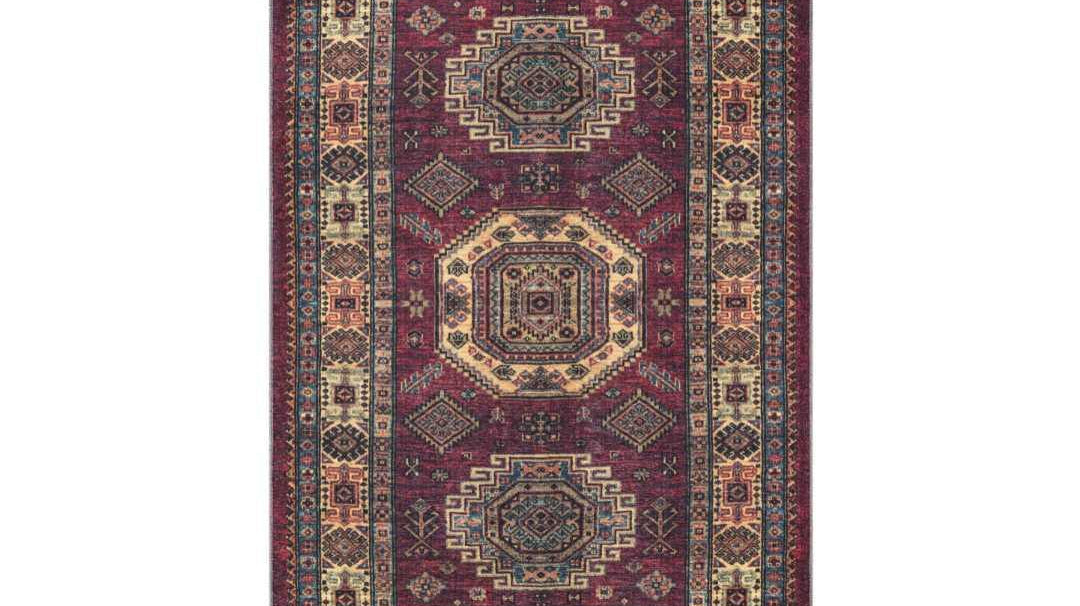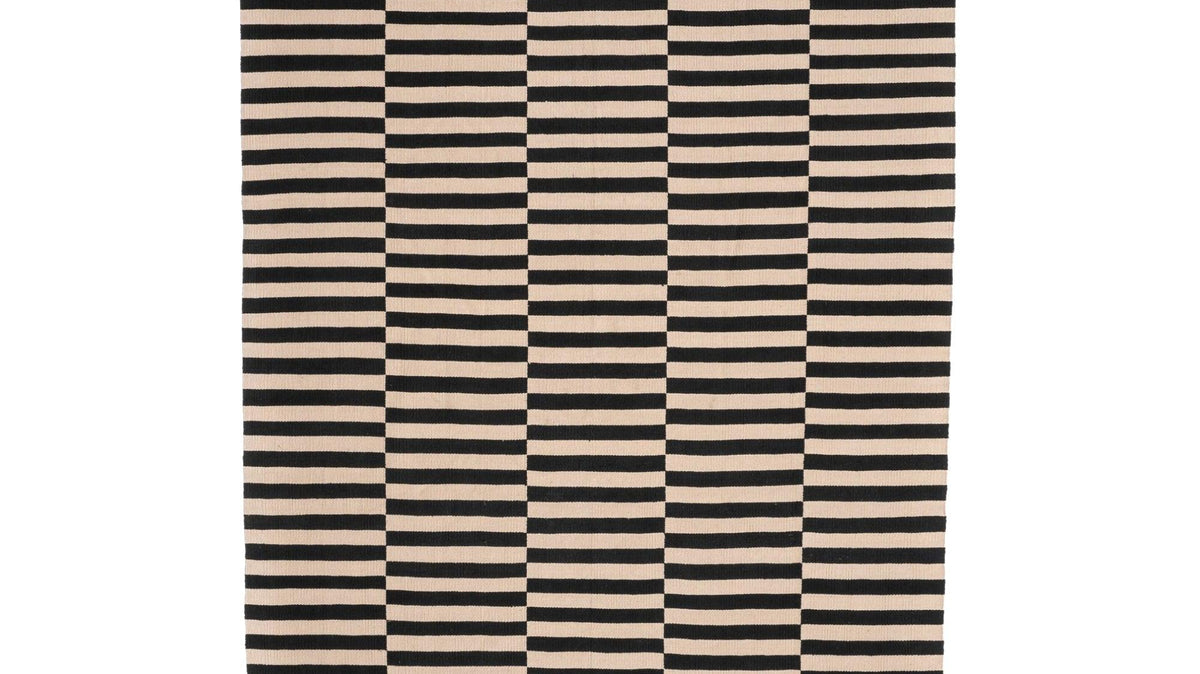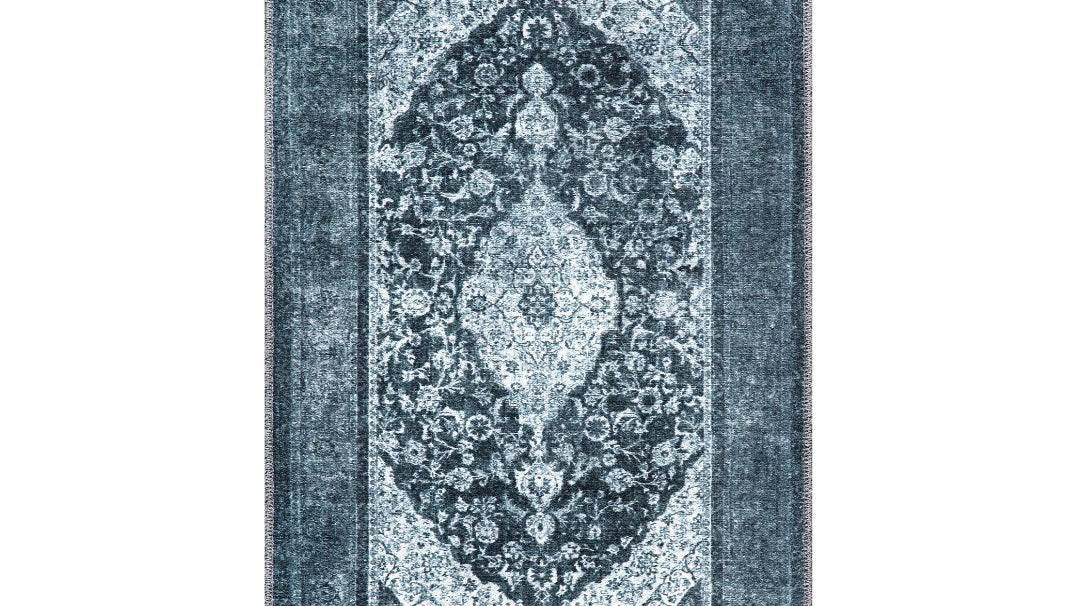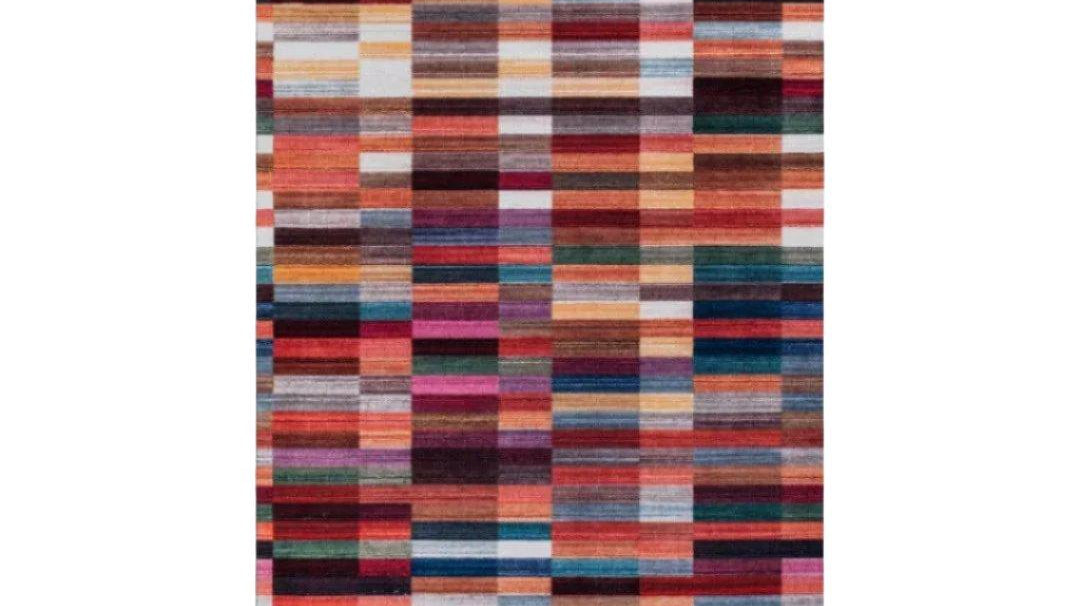








A kilim is a flat-woven textile with no pile — the pattern is created by the weave itself, not by knotted tufts like a traditional rug. That flat, tapestry-like surface, woven for centuries across Anatolia, is exactly what makes kilim such striking wall art.
- Kilim = a pileless, flat-woven rug, reversible and hard-wearing.
- It differs from a pile rug, which has knotted tufts and one face.
- Traditionally wool with natural dyes, woven by hand across Anatolia.
- Motifs are symbolic — protection, fertility, strength, happiness.
- Its flat, double-sided surface is ideal as framed wall art.

Kilim vs a pile rug: what's the difference
| Kilim | Pile rug | |
|---|---|---|
| Surface | Flat, no pile | Raised knotted tufts |
| Technique | Interwoven warp and weft | Individually knotted |
| Weight | Lighter, thinner | Thicker, heavier |
| Both sides | Reversible | One face only |
Where kilim comes from
Kilim weaving runs deep across Anatolia (modern-day Türkiye) and the wider region, traditionally woven by hand on simple looms using local wool and natural dyes. Kilims were made for real life — floor coverings, storage bags, cradles, dowry pieces — which is why genuine old kilims carry the soft fading and small repairs of a textile that was actually lived with.
The motifs mean something
Kilim patterns are a visual language passed down through generations of weavers. Common motifs include the elibelinde (hands-on-hips, for motherhood and fertility), the ram's horn (strength and fertility), the star (happiness), running water and the eye or amulet (protection against the evil eye). A weaver often recorded hopes, blessings and warnings in the design. You don't need to read them to enjoy them — but knowing they carry meaning is part of why a kilim feels different from a printed design.
What are kilims made of?
Traditionally hand-spun wool, sometimes with a cotton warp for strength, coloured with natural dyes — madder root for reds, indigo for blues, weld and pomegranate for yellows. These plant and mineral dyes age softly, which is why antique kilims have that mellow, slightly faded palette that is so hard to fake with synthetic colour.
How can you tell a real kilim?
Look at the back: a genuine hand-woven kilim is reversible, with the pattern clear on both sides and small irregularities where the weaver's tension shifted. Machine-made imitations look identical and perfectly even on the front but muddy or backed on the reverse. Gentle colour variation (called abrash) and tiny asymmetries are signs of the real, handmade thing — not flaws.
From floor to wall
Because a kilim is flat and double-sided, it was always as much a surface to look at as to walk on. We give retired Anatolian kilims a second life: a fragment is cut, stretched and framed on solid wood, ready to hang. It's a sustainable way to keep a handmade textile in use rather than discarded. Learn more in our guide to woven wall art, or browse the collection.
Written by the Arconiz team. We work directly with Anatolian weavers — every piece is woven and framed in Türkiye.