






Hemp fabric is a natural textile woven from fibers in the stalk of the Cannabis sativa plant. It belongs to the bast fiber family, the same group as linen, and it has been woven for at least 6,000 years. Industrial hemp contains almost no THC, so the fabric has no connection to the effects of marijuana. What it does have is unusual strength: cared for well, hemp textiles can last 20 to 30 years, and the fabric becomes softer every time it is washed. We weave hemp rugs, placemats, and pillow covers in Türkiye, so the observations below come from working with the fiber, not just reading about it.

What is hemp fabric made of?
Hemp fabric is made from the long fibers that run up the outside of the hemp stalk. Textile makers call these bast fibers, because they come from the bast, the layer between the plant's woody core and its outer skin. Linen, jute, and ramie are made the same way, which is why hemp and linen feel like cousins.
One point of confusion is worth settling early. Industrial hemp is bred for fiber, with THC levels so low that the plant has no psychoactive effect, as WebMD's medically reviewed overview explains. Hemp cloth and marijuana share a plant species and nothing else.
How is hemp fabric made traditionally?
The traditional process has five steps. Farmers plant seeds close together so the stalks grow tall and straight, often 3 to 15 feet in about 120 days. After harvest the stalks are retted: soaked in water or left in dew so the pectins that glue the fibers to the stalk break down. The fibers are then separated from the woody core, combed into line fiber, and spun into yarn. Wet spinning gives finer yarn, dry spinning a coarser, more rustic one.
That last choice matters at home. Our handwoven rugs use a fuller, dry-spun yarn because the texture is the point underfoot. Finer wet-spun yarns suit sheets and garments.
What does hemp fabric feel like?
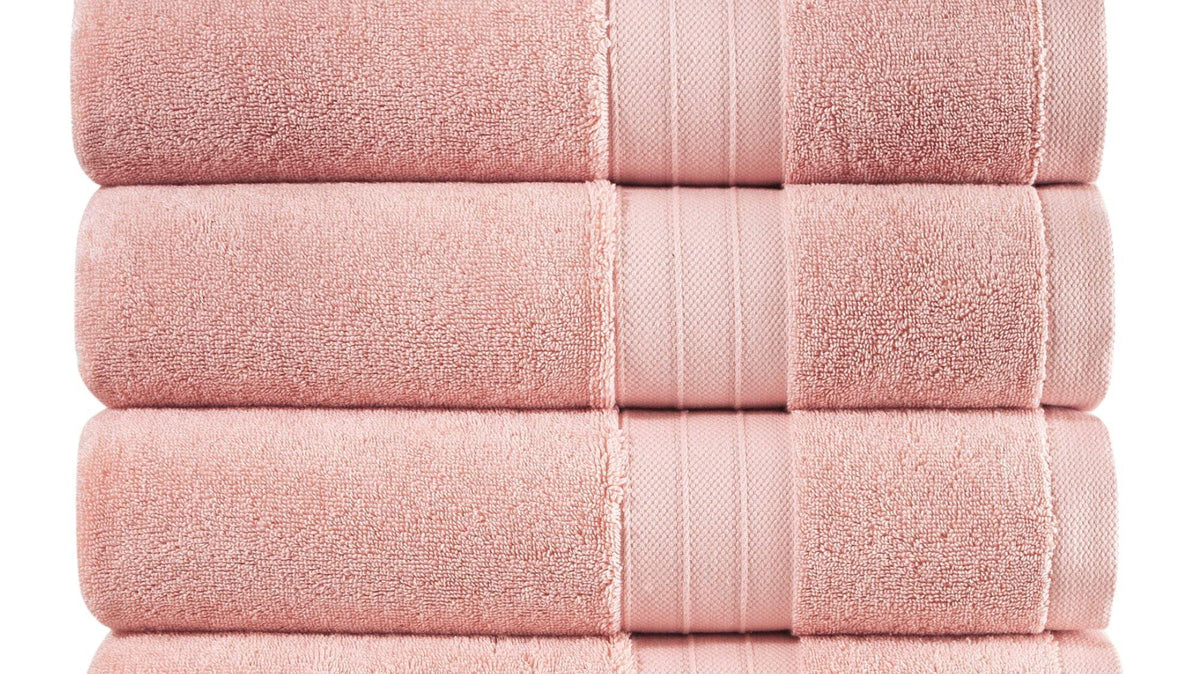
New hemp feels like a soft canvas: crisper than cotton, with a visible weave and a dry, cool hand. It is not scratchy, but it is textured, and that texture is the honest trade for its strength. The fiber is breathable and thermoregulating, comfortable in both warm and cool rooms.
The quality people love most is how it ages. Hemp does not pill or fuzz; it relaxes. Each wash loosens the fiber slightly, so a hemp textile at year five feels noticeably softer than it did new, while keeping its shape.
How durable is hemp fabric?
Durability is where hemp earns its reputation. Individual hemp fibers can reach 15 feet in length, roughly five times the length of flax fibers, which is a large part of why the yarn is so strong. WebMD notes that hemp is about eight times stronger than common daily-wear fabrics. Sailors used hemp for ropes and sails for centuries for exactly this reason.
In practice, a well-made hemp textile is a decades-long purchase. Estimates of 20 to 30 years of use with proper care are common, and the fiber resists stretching, sagging, and shrinking far better than cotton. For a rug that lives under foot traffic, that durability is not a bonus. It is the whole argument.
Hemp vs cotton vs linen
| Hemp | Cotton | Linen | |
|---|---|---|---|
| Source | Hemp stalk (bast fiber) | Cotton boll | Flax stalk (bast fiber) |
| Water to grow 1 kg | About 300 to 500 liters | Around 10,000 liters | Low, close to hemp |
| Feel when new | Soft canvas, crisp | Soft immediately | Crisp, slightly slubby |
| How it ages | Softens, keeps shape | Wears and thins | Softens, wrinkles readily |
| Expected life | 20 to 30 years | Often under 10 | Long, shorter fibers than hemp |
The water figures come from analysis by the Stockholm Environment Institute, reported in Sustainable Jungle's fabric guide, and land use tells a similar story: a 2020 study found one hectare of hemp yields as much fiber as two to three hectares of cotton. The Guardian's reporting on hemp adds that the crop needs few pesticides and replenishes soil quality. The honest caveat is that processing matters; retting and dyeing can be done cleanly or carelessly, so the fiber alone does not guarantee a responsible textile.
Hemp at home: rugs, placemats, and pillow covers
Most guides discuss hemp as clothing. We think the fiber is at its best in the home, where its strengths line up perfectly.

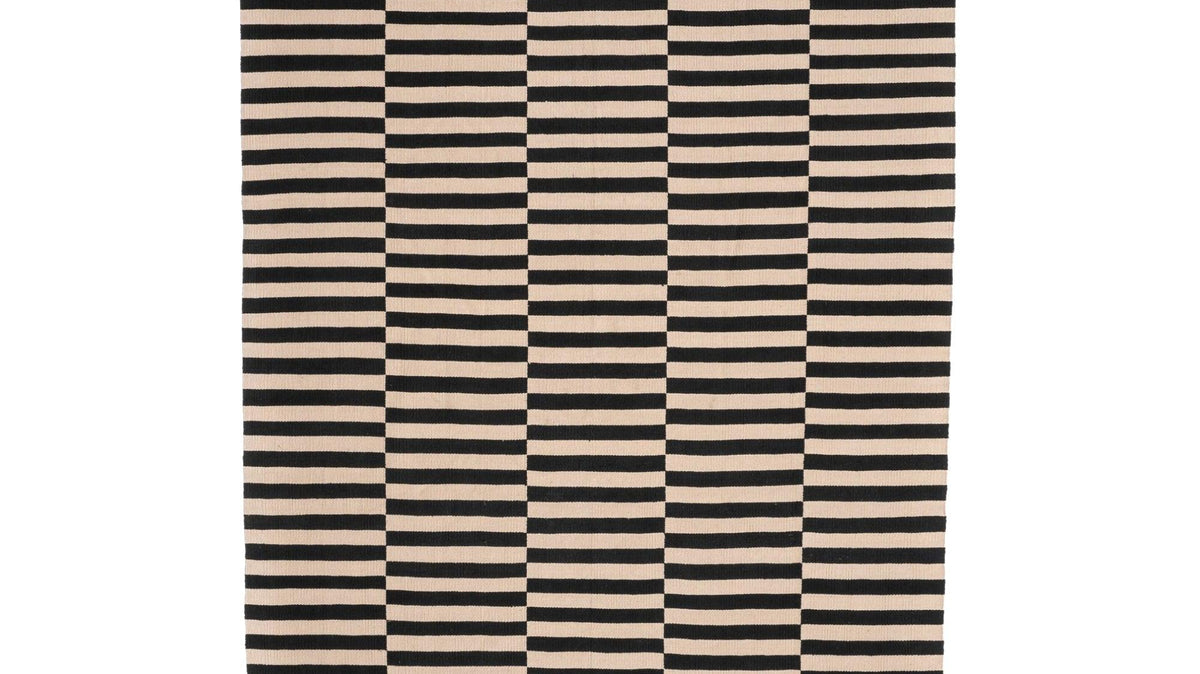
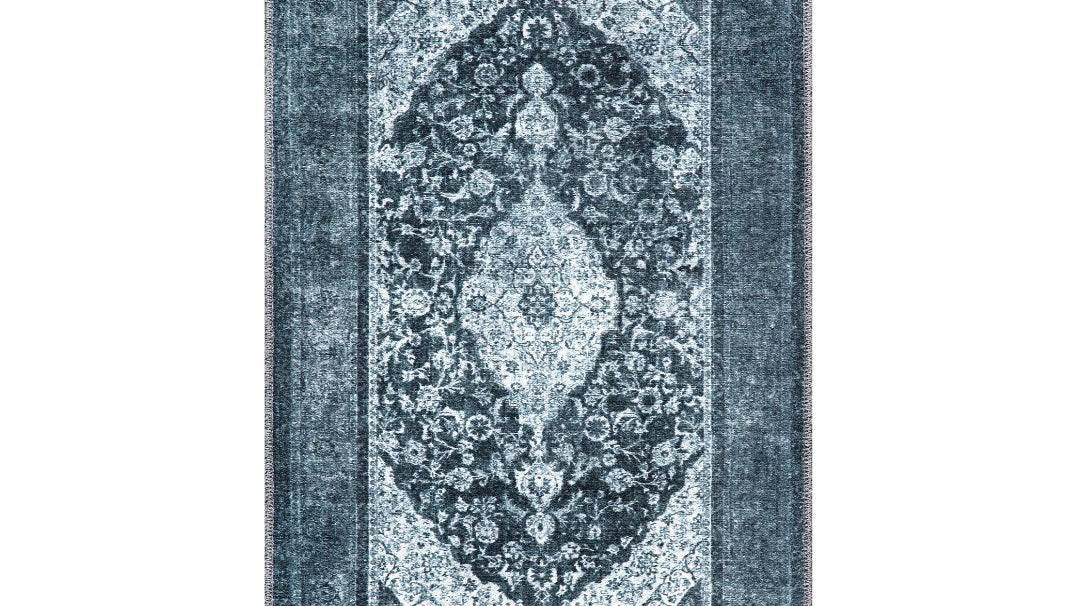
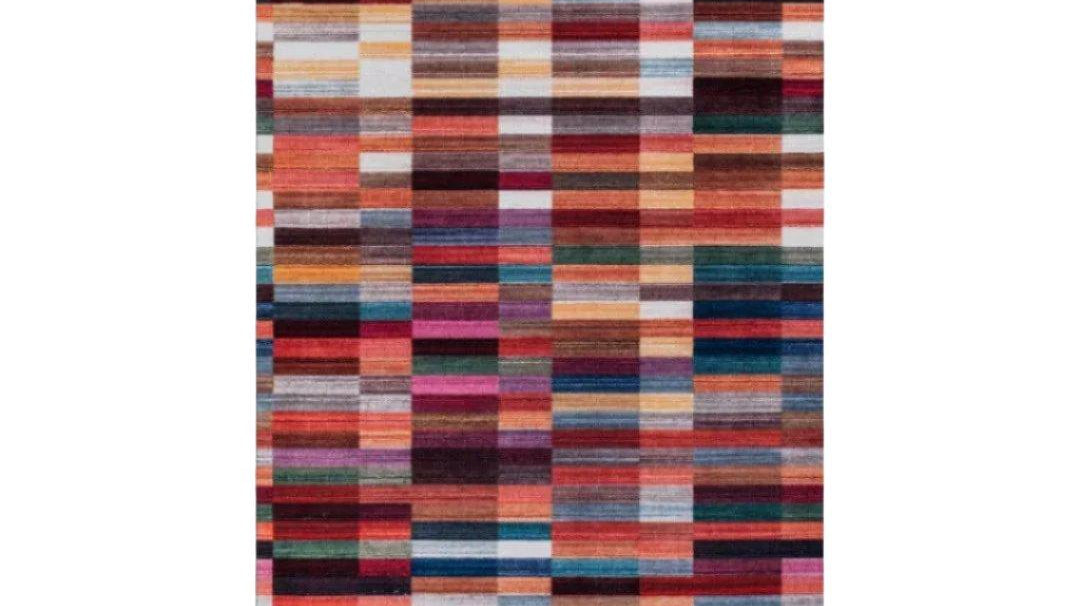
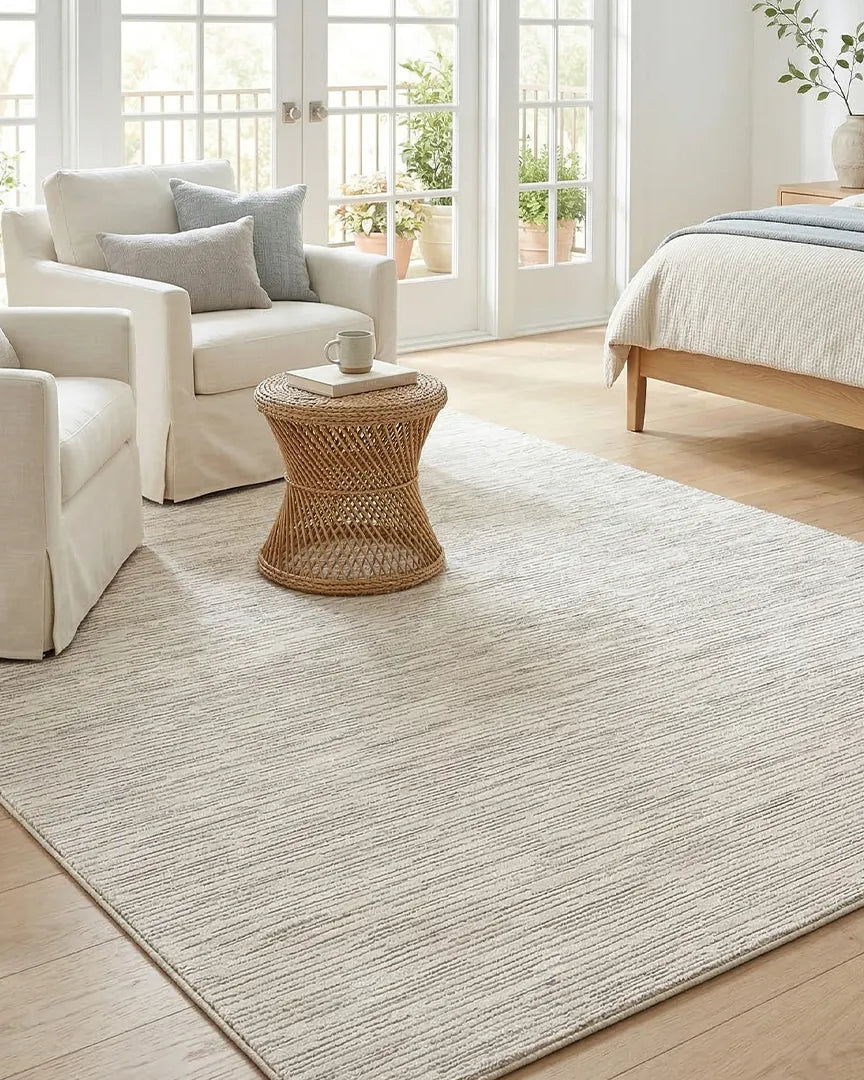
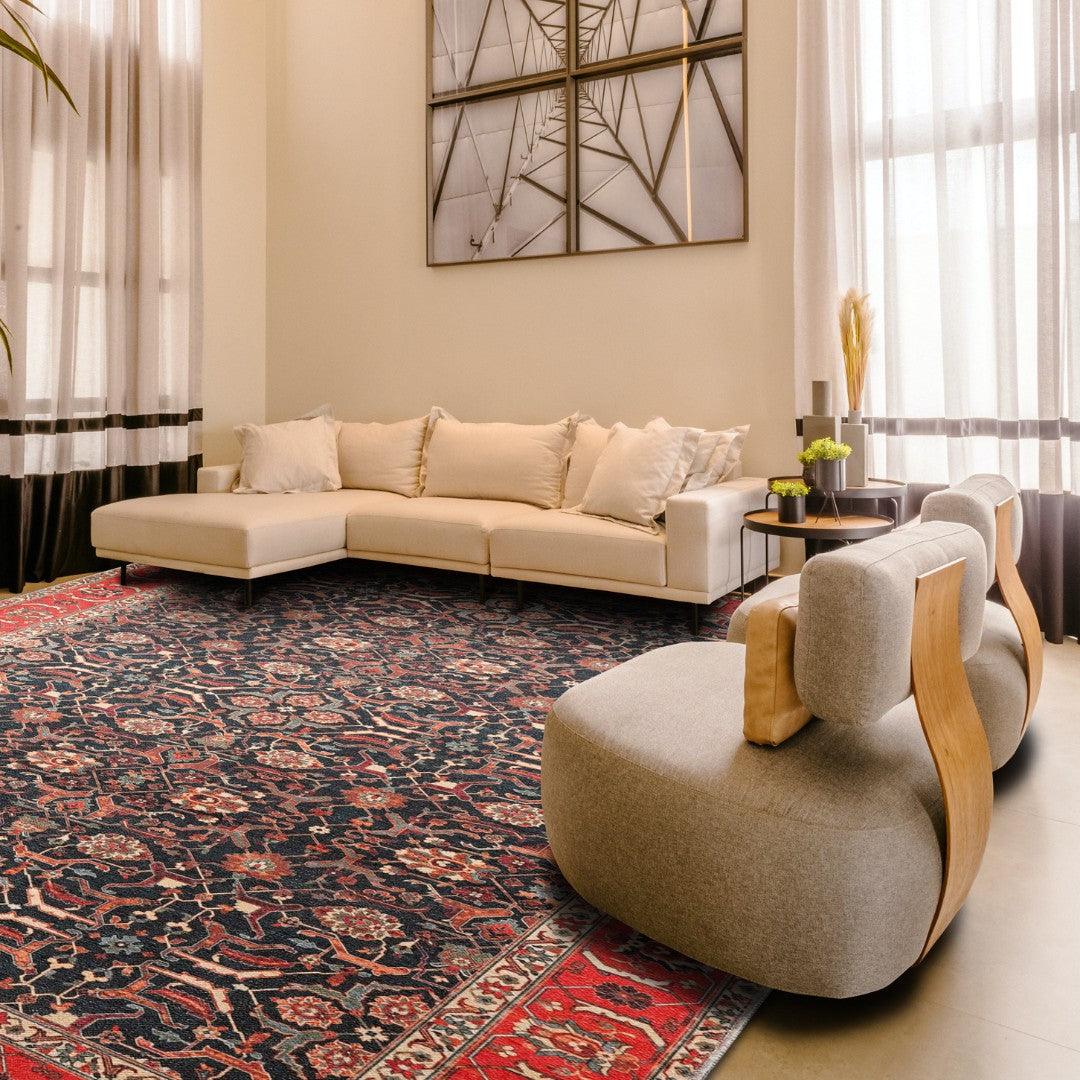
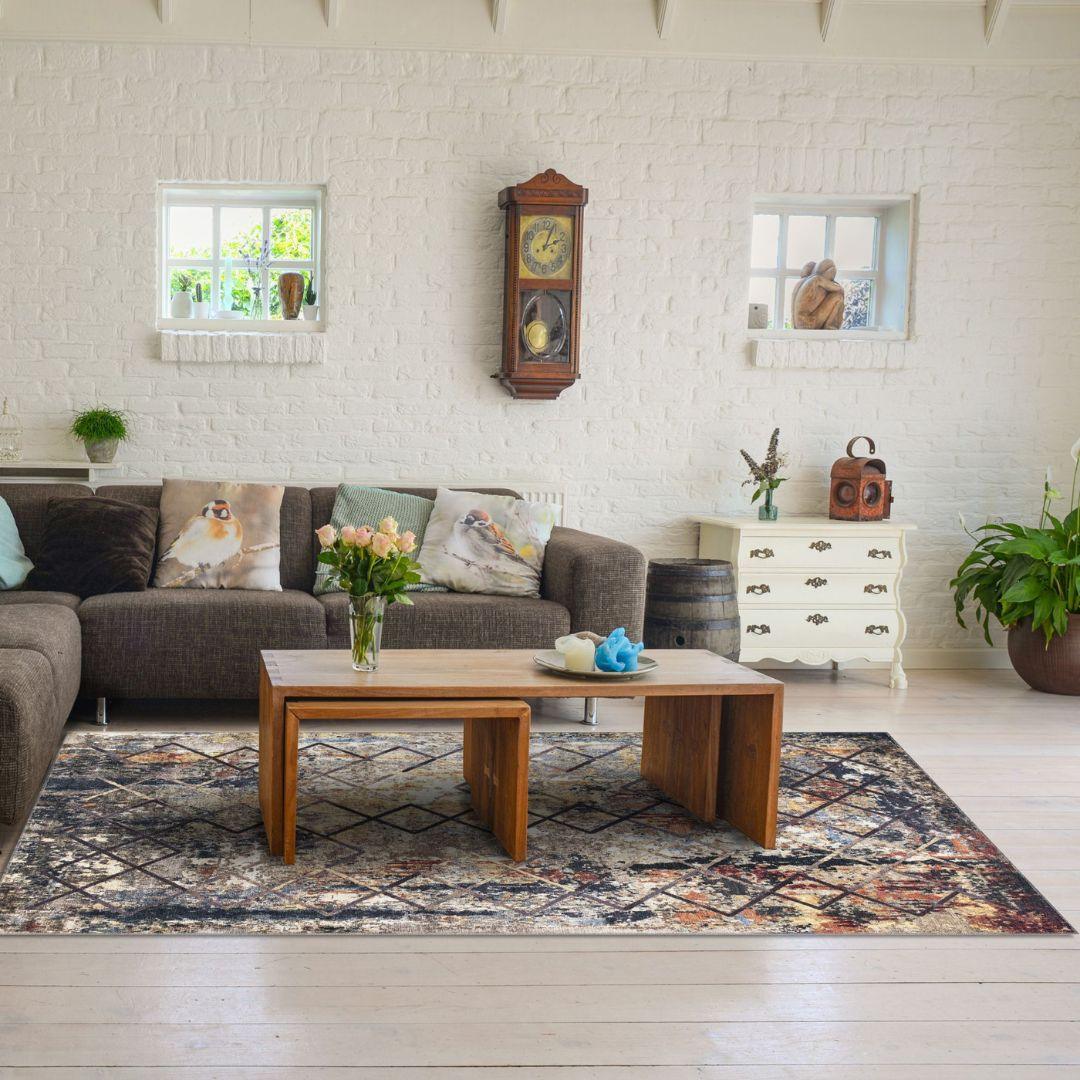
First, floors. A handwoven hemp rug is dense, flat, and very hard to wear out, which suits entryways, studies, and bathrooms. The texture that some people find firm in a shirt reads as character underfoot. Our one-of-a-kind handwoven rugs are woven from hemp in Anatolia. For damp rooms, see our note on hemp bathroom rugs, since hemp's resistance to mold and mildew makes it unusually suited there.
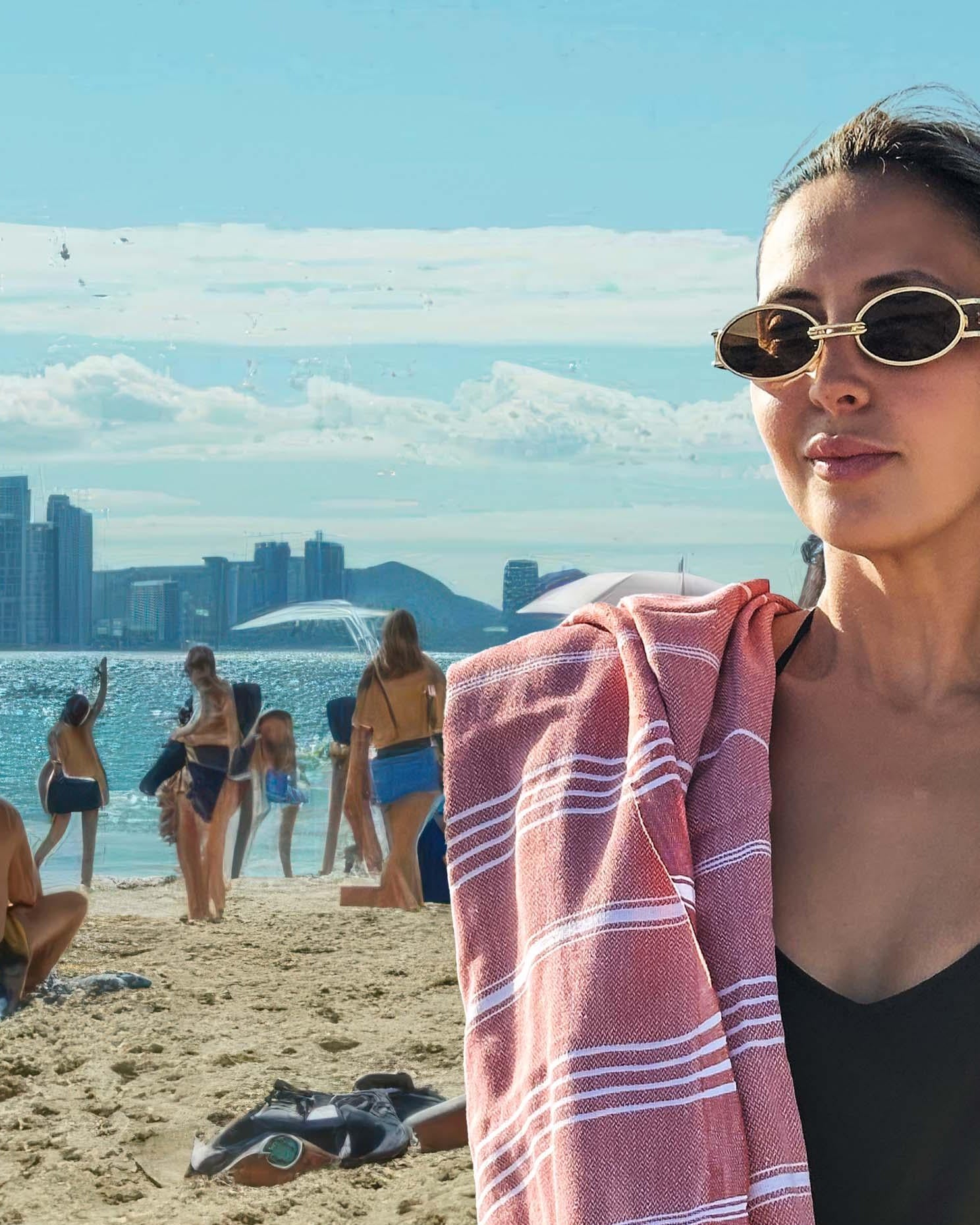
Second, tables. Hemp placemats and runners shrug off daily use, wash well, and bring a woven texture that printed table linen cannot imitate. Our handwoven placemat and runner sets are made from the same Anatolian yarn as the rugs.

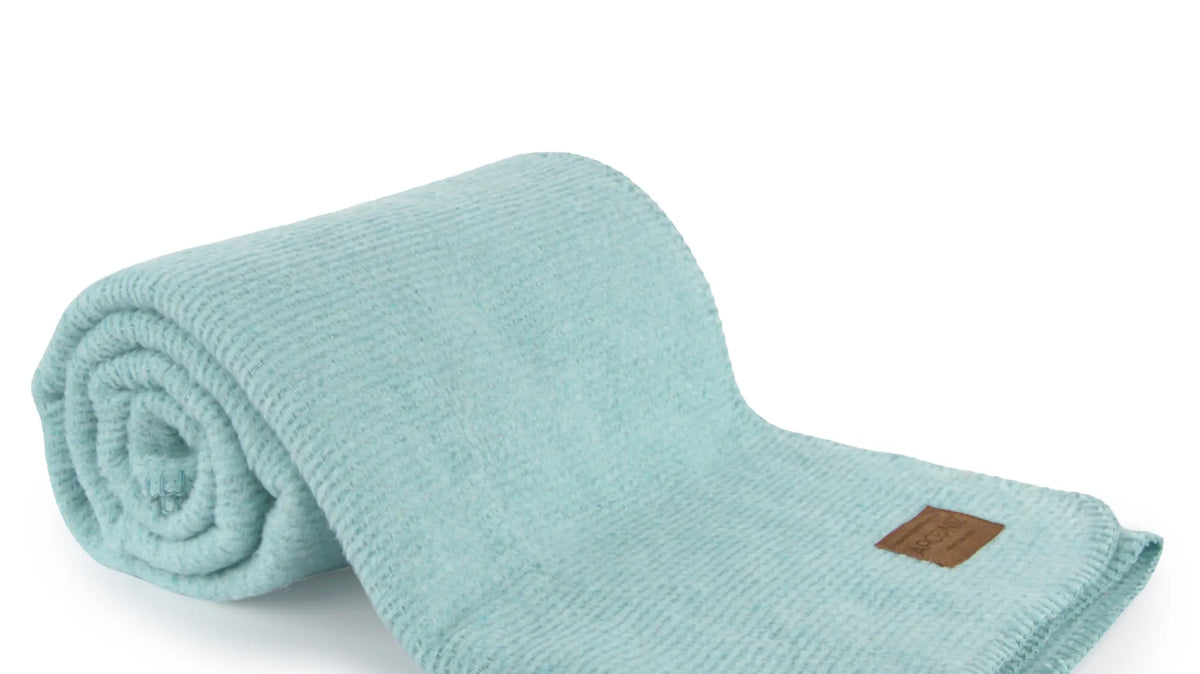
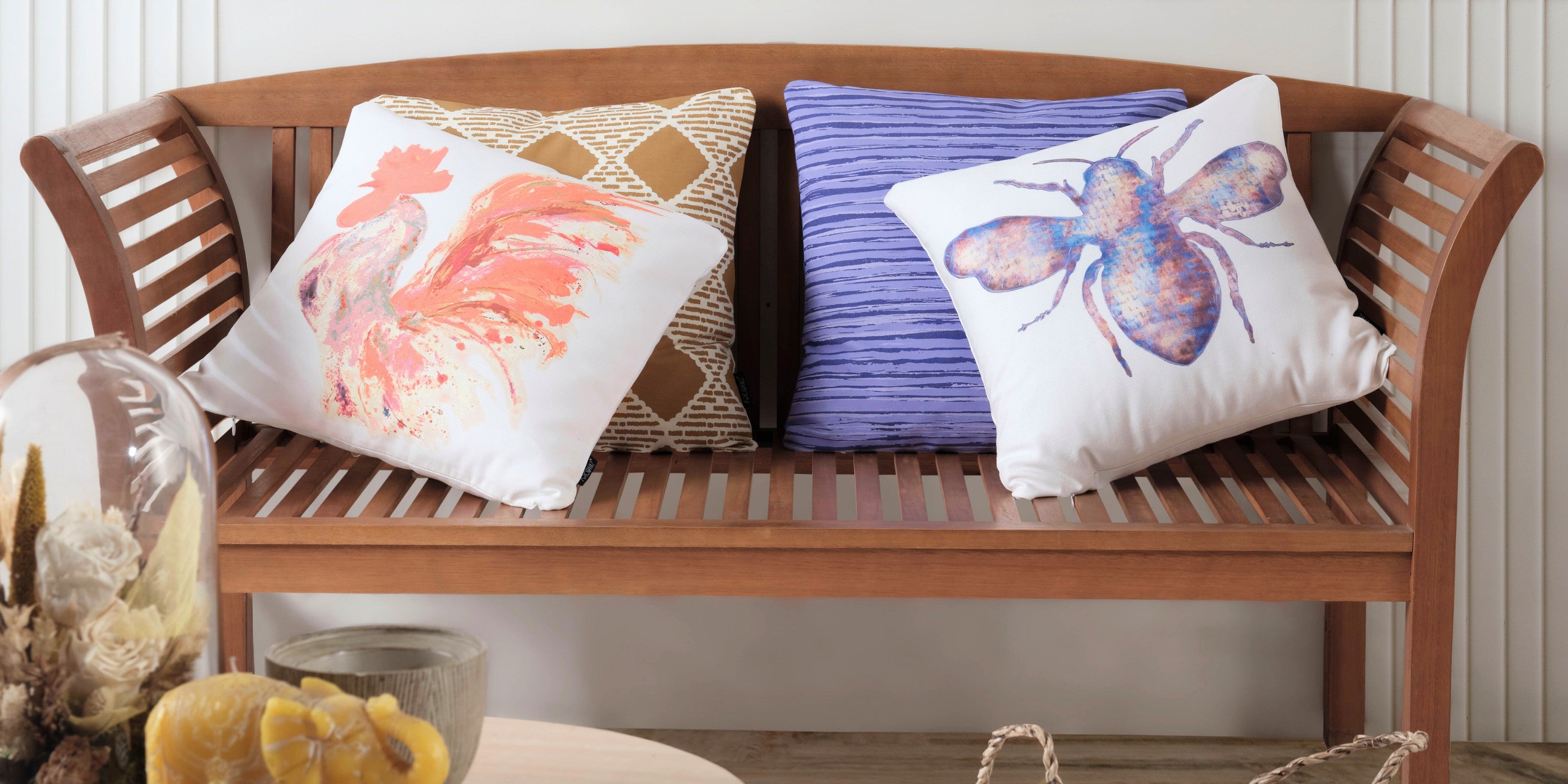
Third, comfort textiles. Hemp pillow covers breathe well and soften quickly with washing. If you are weighing fiber choices for a rug specifically, our comparison of cotton and hemp rugs covers the differences in feel and care.
How to care for hemp fabric
Hemp asks little. Wash cool on a gentle cycle with a mild detergent. Skip chlorine bleach; an oxygen-based brightener is safer for the fiber. Line drying is ideal, and a low-heat tumble is acceptable. If you iron, do it while the fabric is slightly damp.
For woven hemp rugs, vacuum without a beater bar, spot clean spills promptly with cool water, and let the rug dry flat and fully before it goes back on the floor. Placemats and pillow covers can go straight into the machine, washed cool. High heat is the one real enemy: it can tighten any natural fiber, so keep dryers low and irons off the hottest setting.
The short version
Hemp fabric is a bast fiber textile with a 6,000 year history, a dry, canvas-like hand that softens with age, and a working life measured in decades. It grows with a fraction of cotton's water, and it rewards simple, cool-water care. If you want to feel what the fiber does in a home, start where it works hardest: browse our one-of-a-kind handwoven hemp rugs, each woven in Türkiye and gone for good once it sells.
Written by the Arconiz team. Our hemp rugs, placemats, and pillow covers are handwoven in Türkiye.