








Area rugs can transform a bedroom into a cozy retreat. They add warmth, style, and comfort underfoot. But how do you place them for the best effect?
Choosing the right rug and placing it correctly can enhance your bedroom's look. It can also define spaces and improve the room's flow.
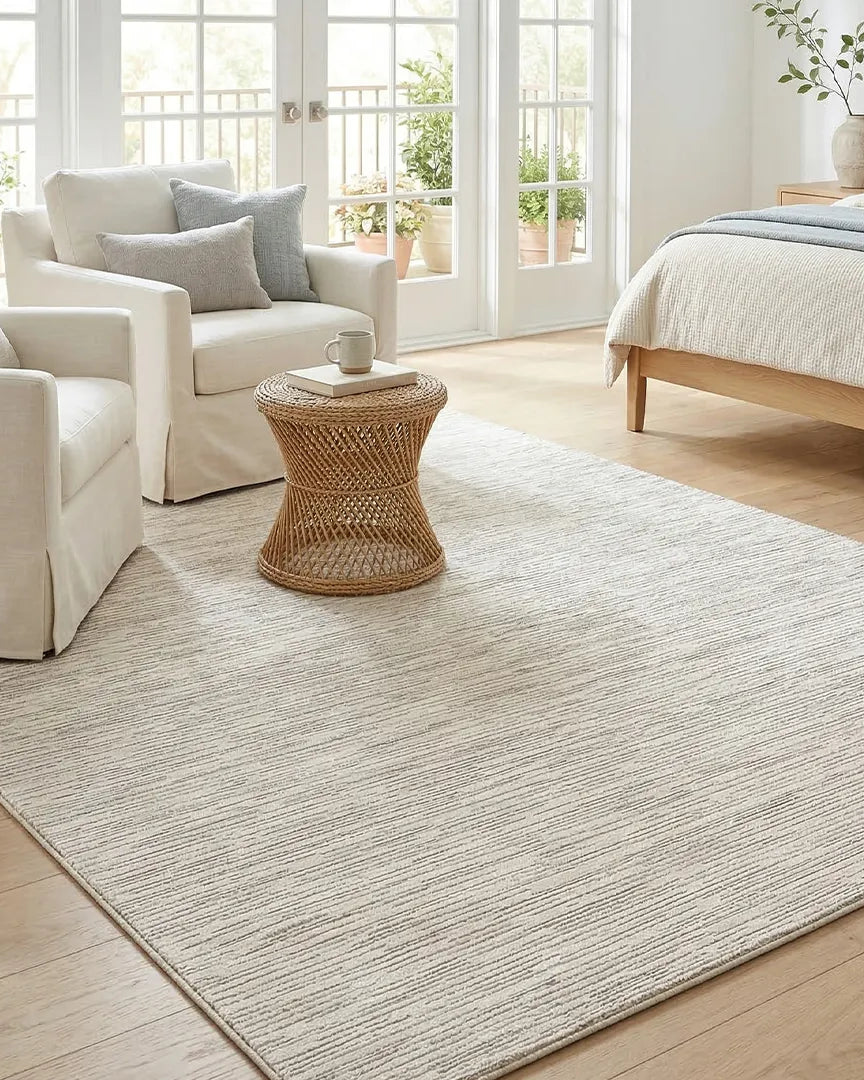
The size of the rug is crucial. It should complement the room and furniture. A well-placed rug can anchor the bed and bedside tables. Consider the room's layout and traffic flow. This will help you decide where to place the rug. You want it to be both functional and stylish.
Layering rugs can add texture and depth. This technique can make your bedroom feel more inviting. It also allows for creative expression.
Rugs can also help with soundproofing. They make the bedroom quieter and more serene. This is perfect for creating a peaceful retreat.
In this guide, we'll explore seven tips for placing area rugs in your bedroom. These tips will help you achieve a cozy and aesthetically pleasing look.
Why Area Rugs Matter in the Bedroom
Area rugs play a vital role in bedroom design. They add warmth and softness to cold, hard floors. Their presence makes every step you take a bit cozier.
Beyond comfort, area rugs also serve a functional purpose. They help define different areas within the room. This is especially beneficial in large bedrooms where zoning is key.
Area rugs contribute significantly to the room's aesthetics. They can reinforce or subtly contrast with the existing color scheme. This ensures that your bedroom's style is cohesive.
Moreover, rugs can act as sound insulators. A thick area rug helps muffle sounds, creating a serene environment. This is important for anyone seeking a peaceful night's sleep.
Here's why area rugs matter:
- Define spaces: Establish clear zones in a room.
- Add warmth: Provide comfort underfoot.
- Enhance style: Complement the room's decor.
- Reduce noise: Act as sound insulators.
- Anchor furniture: Tie together furniture pieces.
An area rug brings balance to a room by visually anchoring furniture. It's a simple yet effective design element that can transform a space. Rugs make a bedroom feel complete, inviting, and stylish.

Tip 1: Choose the Right Size Rug for Your Bed
Selecting the right size rug is crucial for bedroom aesthetics. An ill-fitted rug can skew the balance of the room. The right size, however, will harmonize with your space.
A rug that's too small may look lost or insignificant. Conversely, an oversized rug can dominate the area. It's essential to find a size that complements the room.
To guide your choice, consider the size of your bed. As a general rule, the rug should extend at least 18 to 24 inches beyond the sides of the bed. This ensures ample foot space when getting in and out of bed.
Here are some rough sizing guidelines based on bed size:
- King: Rug size of 9 x 12 feet
- Queen: Rug size of 8 x 10 feet
- Full/Double: Rug size of 6 x 9 feet
A properly sized rug should accommodate bedside tables. This contributes to a cohesive look, integrating all elements seamlessly. It also provides a luxurious feel by crafting a soft perimeter around the bed.
Pay attention to any surrounding furniture. The rug should naturally fit into the room's layout. A rug that extends under a pair of chairs, for instance, brings unity.
If in doubt, measure several times before purchase. Visualize the rug in your space, considering scale and proportion. This assures a perfect fit for your cozy bedroom rugs.

Tip 2: Classic Placement, Under the Bed
Placing an area rug under the bed is a timeless choice. This placement adds cohesion and comfort to the bedroom. It also grounds the bed, making it a focal point.
An effective layout allows the rug to extend equally on all sides. Ideally, the rug should protrude about 18 to 24 inches beyond the bed's edges. This extension provides an accessible soft surface when stepping out of bed.
Beyond functionality, this arrangement highlights the bed. It creates a visually pleasing anchor that enhances the room's symmetry. This method also allows for creative expression through the rug's design.
A straight-forward list of essential tips for under-bed placement includes:
- Ensure the rug is wide enough to accommodate bedside tables.
- Maintain a balanced overhang on each side of the bed.
- Opt for a durable material that can withstand furniture weight.

Consider your bedroom layout when choosing this placement. In rooms with excess floor space, a larger rug can be beneficial. This strategy captures additional furniture, such as dressers or chairs, enhancing unity.
Texture also plays a critical role. Select a rug with a plush pile for added underfoot comfort. This adds warmth and coziness, enhancing the room's serenity.
The color and design of the rug can set the room's tone. Neutral tones blend seamlessly, while bold patterns can introduce visual interest. Choose a design that aligns with your decor theme for optimal results.

by Ali Moradi (https://unsplash.com/@3dartistmoradi)
Tip 3: Creative Alternatives, Side and Foot-of-Bed Placement
For a unique twist, try placing rugs along the sides or at the foot of the bed. This unconventional method adds flair and can make smaller bedrooms feel more inviting.
Side placement works well for narrow rooms. It draws attention to the room's length and creates a soft walkway. The rug should run parallel to the bed, offering comfort each morning.
For added versatility, consider a foot-of-bed rug. This approach frames the end of your bed and infuses the space with warmth. It's ideal for rooms lacking floor warmth or visual interest.
Here's a quick list for effective side and foot-of-bed placement:
- Choose rugs that match or complement your room's palette.
- Ensure rugs are proportionate to the bed's length and width.
- Opt for materials that offer both style and durability.
Placing rugs at the bed's ends allows easy experimentation with textures. A shag or high-pile rug here can provide a plush feel underfoot. Alternatively, a flat-weave rug creates a crisp, clean look.
Side and foot placement also offer a chance to play with color and pattern. A bold rug can create a striking contrast in neutral bedrooms. In vibrant spaces, choose subtler patterns that enhance existing decor.
Tip 4: Layering Rugs for Texture and Depth
Layering rugs can transform a bland bedroom into an elegant retreat. This technique adds texture, warmth, and depth, enhancing the room's aesthetic appeal.
Start by choosing a large, neutral rug as the base. This foundation sets a calming tone and covers the floor space. Over it, add a smaller, patterned rug for visual interest.
Layering rugs involves a careful balance. Consider the following tips for successful results:
- Coordinate colors and patterns for harmony.
- Use varying textures for more dimension.
- Ensure the bottom rug extends beyond the top layer.
Opt for different materials when layering. A plush rug atop a flat-weave base can create a chic contrast. This combination also keeps the room cozy during colder months.
Moreover, layering allows for seasonal versatility. Swap out smaller rugs with the changing seasons to refresh the look. A vibrant top rug can brighten up a room in spring while a darker one adds warmth in winter.
For those wary of bold prints, try subtle overlays first. Experiment with textures and understated tones until you feel more confident. Layering is a flexible way to refresh a bedroom without major upheaval.
Tip 5: Using Rugs to Define Zones and Create Flow
Rugs are more than just decorative elements. They can also define zones within a bedroom, enhancing both functionality and aesthetics.
In large bedrooms, rugs can delineate different areas. For instance, use a cozy bedroom rug to separate a reading nook from the sleeping area. This creates distinct spaces without walls, maintaining an open feel.
Flow is essential in any room. Rugs can guide the eyes and feet, promoting natural movement. Ensure rugs are placed in line with the room's traffic patterns to avoid tripping and create smooth transitions.
Here are some key considerations when using rugs to define zones:
- Choose rug sizes that fit the designated area.
- Position rugs to suit furniture arrangements.
- Keep a consistent style for unity.
Rugs can also highlight architectural features or special furniture pieces. Place a unique rug under an antique chair to draw attention to it. This tactic turns furniture into focal points in the room.
Finally, consider the room's layout. A well-placed rug can bring balance and unify varied design elements. This approach not only creates a more harmonious space but also adds to the overall comfort and coziness of the bedroom.

Tip 6: Playing with Color, Pattern, and Shape
Infuse personality into your bedroom with vibrant rugs. Colorful rugs add energy to a neutral space. They can complement or contrast existing decor, invigorating the room's vibe.
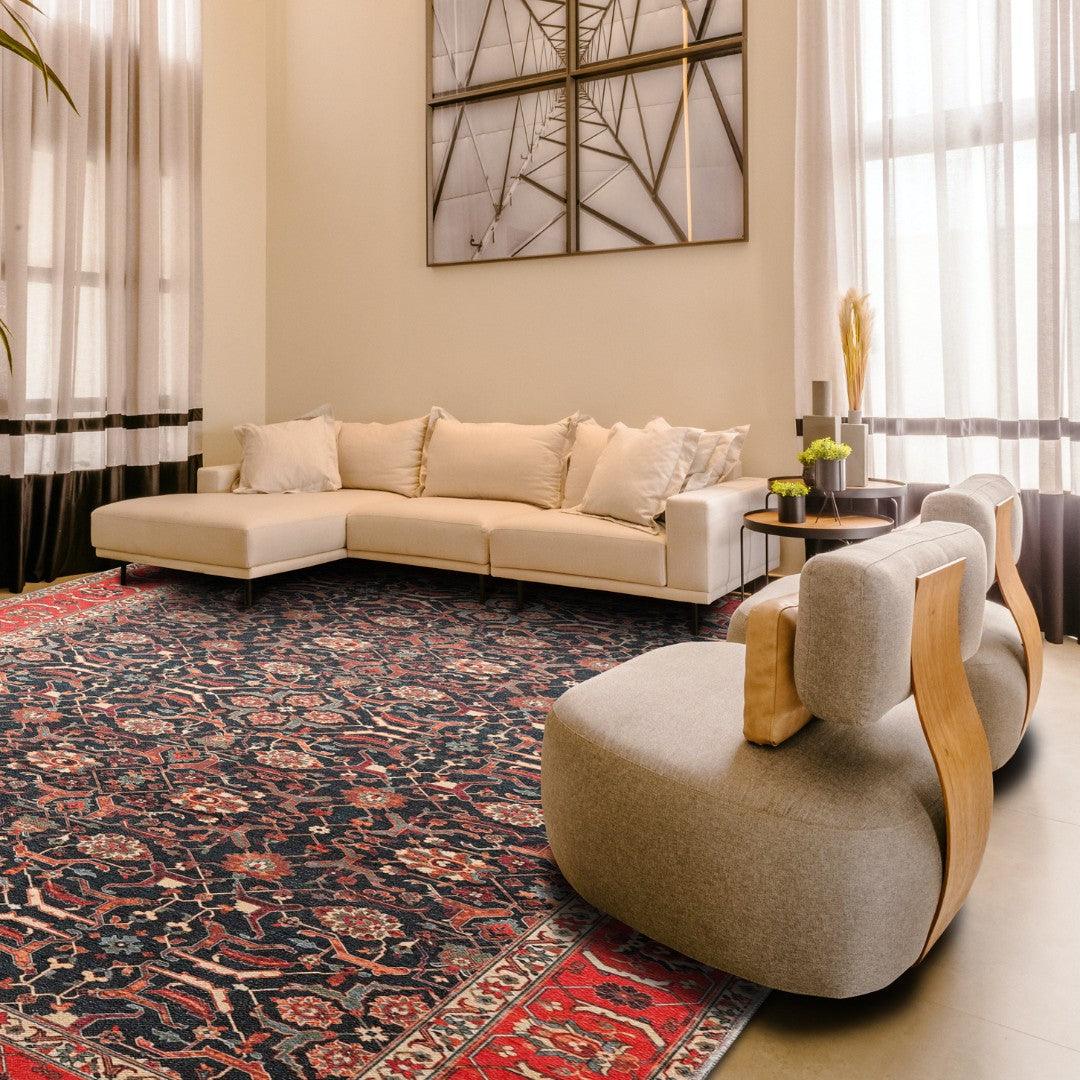
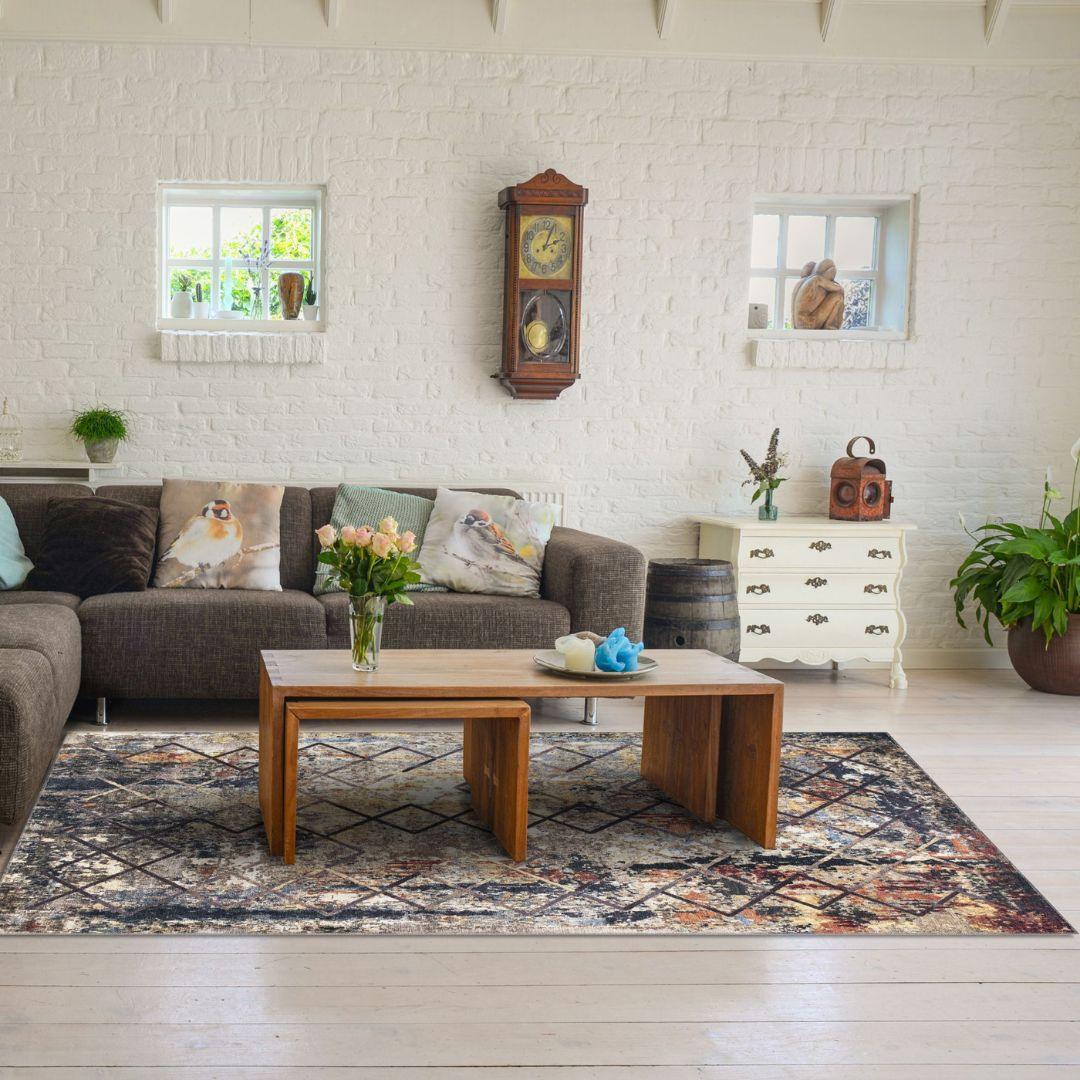
Patterns also play a crucial role. Geometric designs provide a modern twist. Florals convey an inviting atmosphere. Choose patterns that reflect your taste and enhance your bedroom style.
Shapes offer another dimension to consider. While rectangular rugs are classic, round and oval shapes introduce softness. These can break up sharp lines, offering a cozy aesthetic.
When selecting color and pattern, consider the room's mood:
- Harmonize colors with the bedroom's palette.
- Use bold patterns to create a statement.
- Select shapes that suit the furniture layout.
Combining vivid colors with daring patterns can transform the space. Opt for rugs that echo bold artworks or bed linens. This strategy ties together various design elements seamlessly.
Lastly, ensure balance. If the rug is the focal point, keep other elements understated. This contrast highlights the rug's design, making the bedroom feel thoughtfully curated.

Tip 7: Comfort, Safety, and Maintenance Considerations
While style is essential, comfort cannot be ignored. A plush rug provides underfoot comfort. This is especially important in bedrooms, where a soft surface creates a relaxing environment.
Safety must also be considered. Rugs can slip on hard floors. Non-slip pads prevent accidents. These pads hold your rug securely, minimizing movement and potential hazards.
Regular maintenance ensures your rug looks its best. Routine cleaning prolongs its life. Vacuum frequently and spot-clean as needed. This keeps the rug fresh and extends its durability.
Select materials that suit your lifestyle:
- Wool rugs are durable and plush.
- Synthetic fibers offer stain resistance.
- Cotton rugs are easy to wash and maintain.
Consider allergies and household needs when choosing materials. This ensures both comfort and practicality in your bedroom space.
Finally, consider season changes. Lightweight rugs are preferable in summer. They keep the space airy. In winter, heavier rugs add warmth, both physically and visually. Switching rugs with seasons can revitalize your space without major changes.

Final Thoughts: Achieving a Cozy Bedroom with Area Rugs
Incorporating area rugs into your bedroom transforms the space with warmth and style. Rugs offer comfort underfoot and elevate aesthetics.
Consider your room's size, furniture, and color scheme when choosing and placing a rug. Thoughtful placement enhances flow, defines spaces, and creates a serene atmosphere.
Experiment with layers, patterns, and textures to reflect your personality. Area rugs, when strategically placed, not only provide physical comfort but also visually anchor your room.
Remember, a well-chosen rug can renew the look of your bedroom without costly renovations. Create a cozy retreat that you'll enjoy every day.