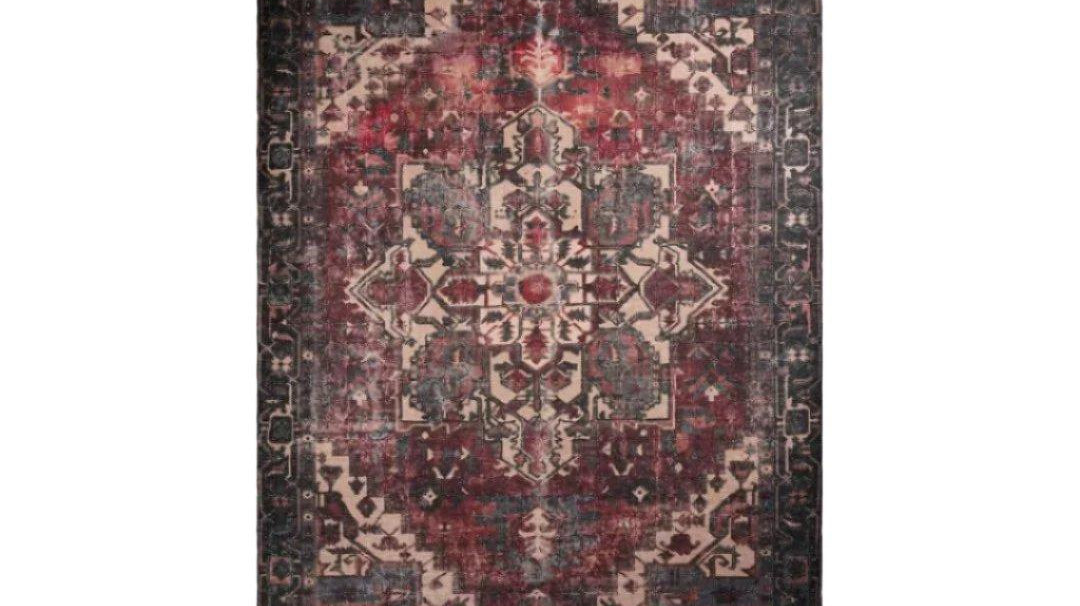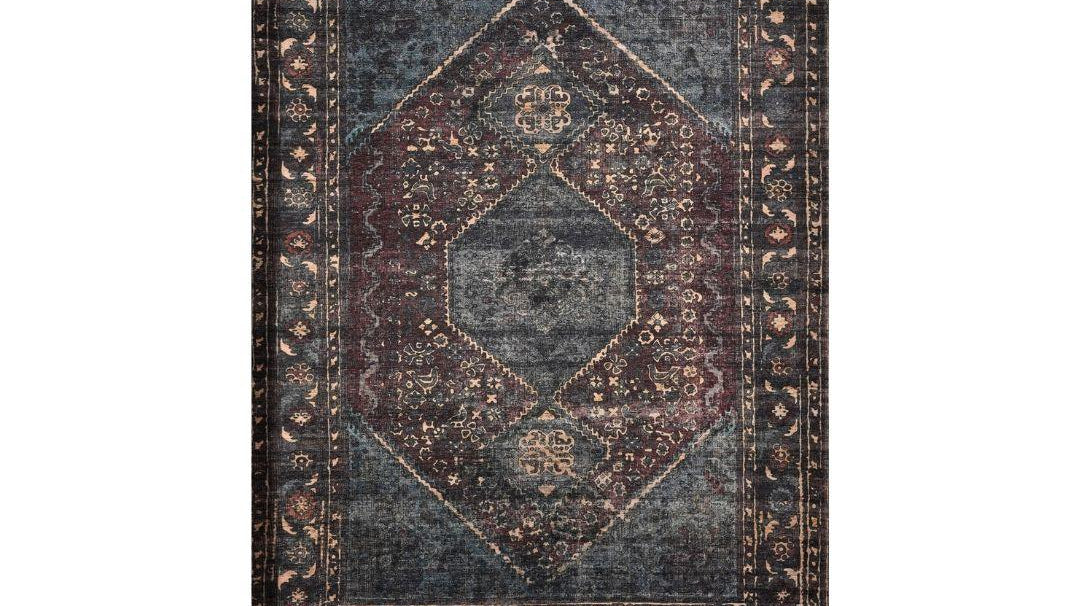

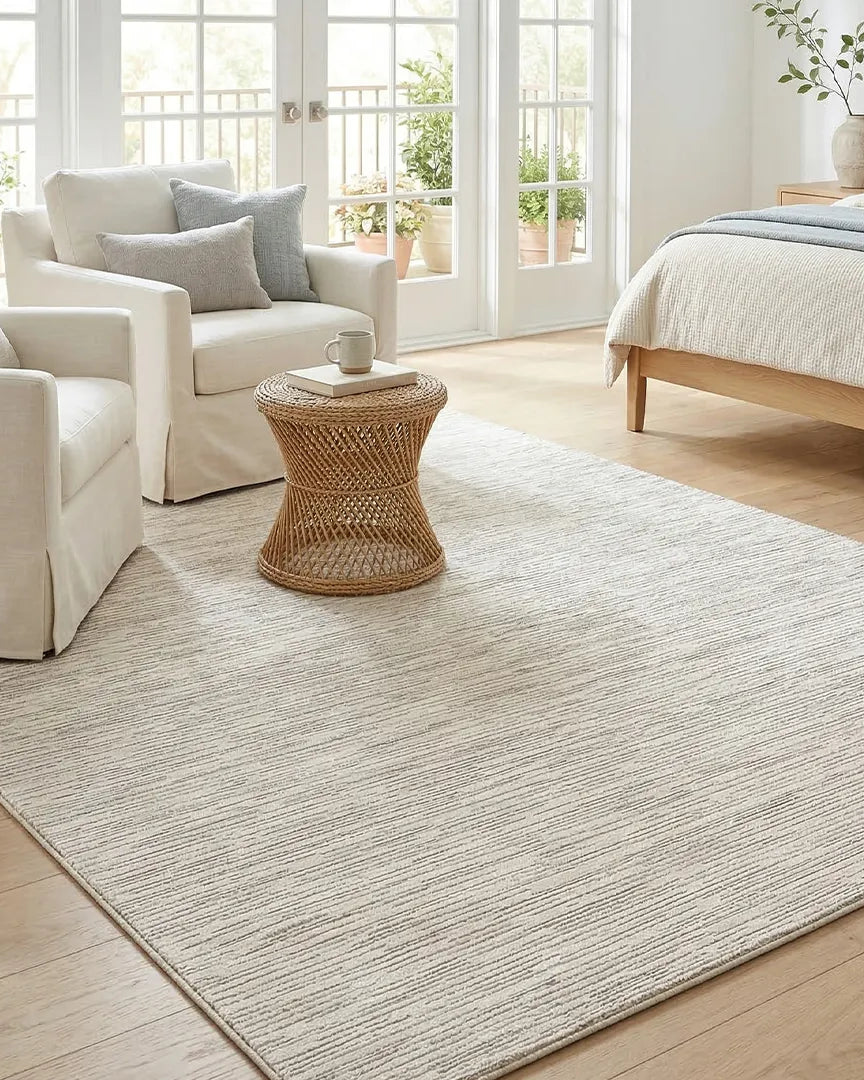



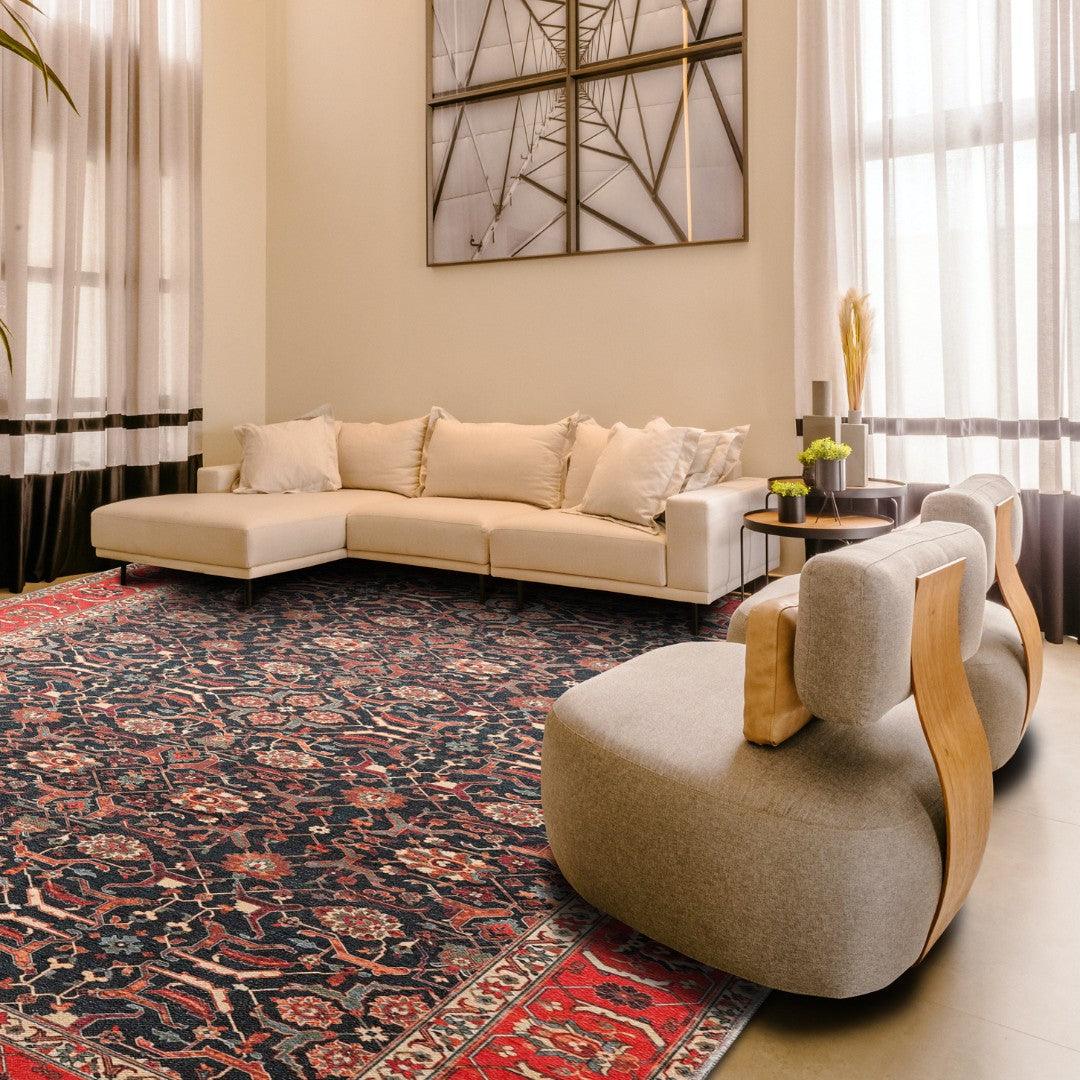


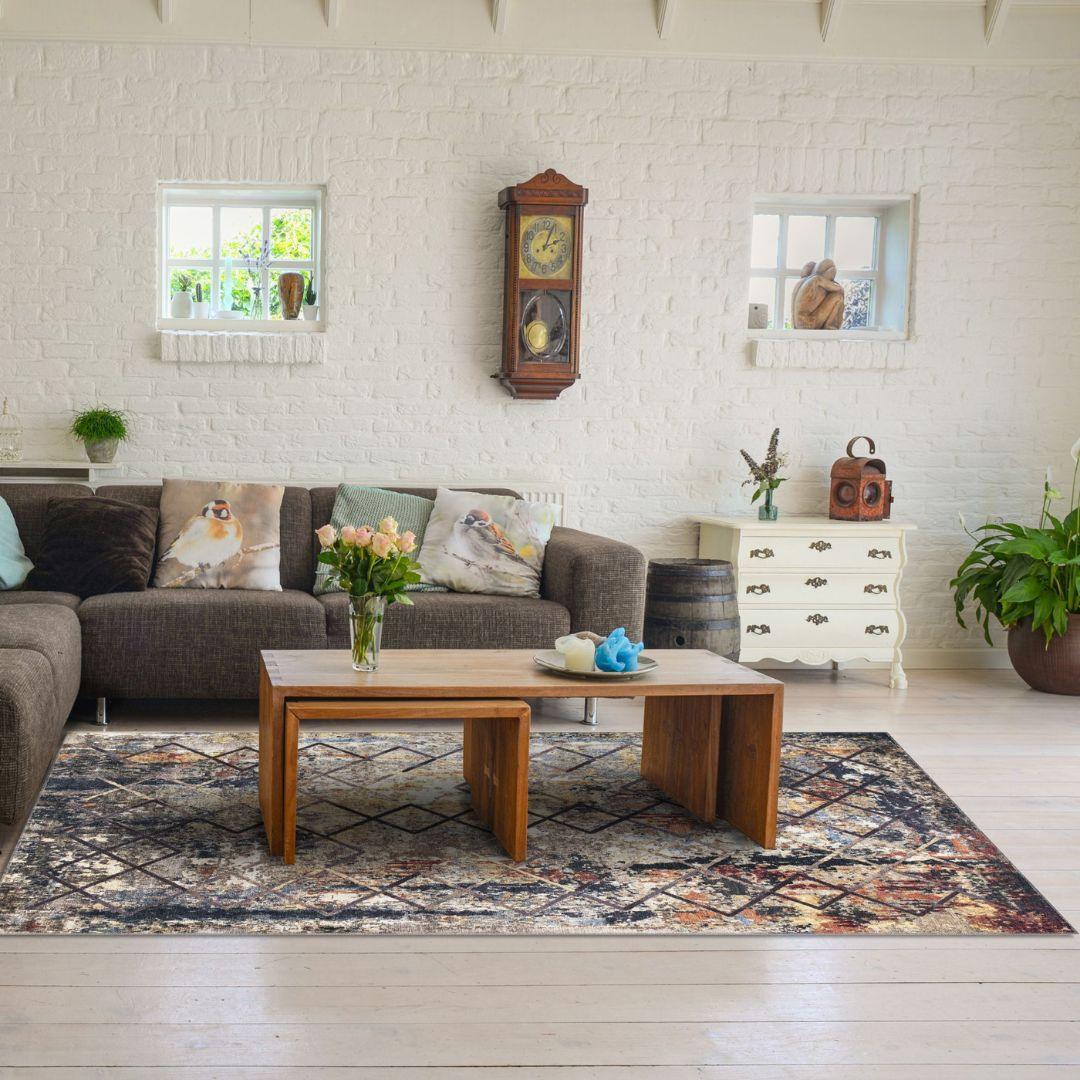


Choosing the right dining room rug can transform your space. It adds warmth and style, enhancing the room's overall look.
But how do you ensure the perfect fit? Proper dining room rug placement is key to achieving balance and harmony.
A well-placed rug can define the dining area, making it inviting and functional. It also protects your floors from wear and tear.
This guide will walk you through essential rules for selecting and placing dining room rugs. You'll learn how to choose the right size, shape, and material.
With these tips, you can elevate your dining room's aesthetics and functionality effortlessly.

Why Dining Room Rug Placement Matters
Dining room rugs are more than decorative pieces. They bring cohesion to the room and frame your dining set elegantly. Without a well-positioned rug, the space might feel incomplete or disorganized.
Correct placement also ensures comfort. Chairs should rest comfortably on the rug, with enough space to pull them out without snagging. A poorly placed rug can lead to imbalance, awkward seating, and even tripping hazards.
Consider these factors when placing a dining room rug:
- Extending beyond table edges
- Aligning with the room layout
- Complementing existing decor
Proper dining room rug placement enhances the dining experience while protecting your floors. A well-chosen rug will bind the room together visually and practically.

Rule 1: Size Up Rug Should Extend Beyond the Table
When choosing a dining room rug, size is paramount. A rug that is too small can make the room feel unbalanced and confined. Ensure your rug extends at least 24 inches beyond each side of the table. This extra space helps accommodate chairs, allowing them to slide in and out effortlessly.
A larger rug can create a grounded effect, anchoring the dining set within the room. It defines the dining area, especially in open floor plans. Measuring beforehand ensures you achieve the correct fit without guesswork.
Key sizing tips include:
- Extend rug at least 24 inches past table edges
- Measure dining room for precise fit
- Consider table extensions if applicable
Choosing the right size enhances both function and aesthetics. Your dining space will feel cohesive and inviting. For more detailed guidance, explore our comprehensive dining room rug guide.
Rule 2: Match Rug Shape to Table Shape
Selecting a rug shape that complements your dining table enhances harmony in the room. If you have a round table, a round rug can mirror its curves beautifully. Similarly, rectangular tables work well with rectangular rugs. This alignment accentuates the table's shape and creates a unified look.
A rug shape that matches your table also reinforces symmetry in your dining area. This visual consistency can make the space feel more organized and intentional. Such coherence is vital, especially in rooms with distinct architectural elements.
Key shape guidelines:
- Match round tables with round rugs
- Use rectangular rugs for rectangular tables
- Consider room layout for optimal aesthetics
Creating an aligned look with your rug choice improves overall room dynamics. It ensures the dining area stands out stylishly and effectively.

Rule 3: Center and Align for Balance
Centering your dining room rug under the table is crucial for visual balance. Ensuring that the rug is evenly distributed around the table creates a cohesive look. This placement aligns with the room's natural layout, providing symmetry.
Aligning the rug also involves considering other elements in the dining area. Placing the rug in a way that relates harmoniously with furniture and doorways enhances room flow. A well-aligned rug frames the dining table as the focal point.
Quick alignment tips:
- Center the rug with the table
- Ensure equal space on all rug sides
- Consider furniture and doorways
A centralized and well-aligned rug makes your dining area look polished. This arrangement elevates the dining experience significantly. 
Rule 4: Choose the Right Material for Dining Spaces
Selecting the right rug material impacts durability and ease of cleaning. Dining rooms see plenty of foot traffic and potential spills. Therefore, it's wise to opt for materials that withstand these conditions.
Rug materials like wool are excellent for dining spaces. Wool is not only durable but also stain-resistant. Synthetics like polypropylene offer easy maintenance and affordability. Natural fibers bring a touch of elegance and practicality.
Materials to consider:
- Cotton : Washable, Durable and stain-resistant
- Polypropylene: Easy to clean and cost-effective
- Natural fibers: Elegant and practical
The material you choose affects how the rug looks and performs. Pick wisely to enhance both style and functionality in your dining room. 
Rule 5: Consider Color, Pattern, and Style
The color and pattern of your dining room rug can transform the space's ambiance. Choose hues that complement your existing decor while adding personality. Patterns can help hide minor stains and wear, making them practical for high-use areas.
A bold rug can serve as a focal point, adding interest to a simple dining room. On the other hand, neutral shades create a serene, cohesive look. Whatever your choice, ensure it balances with the furniture and wall colors.
Considerations for selection:
- Match decor to add harmony
- Bold patterns can hide stains
- Neutral tones provide calmness
Ultimately, choose a style that reflects your taste and enhances the dining room's overall aesthetic.

Rule 6: Use Rug Pads for Safety and Comfort
Rug pads are essential for safety and comfort in dining spaces. They hold the rug in place, preventing slips and falls. This is especially important in high-traffic areas like dining rooms.
Moreover, rug pads add an extra layer of cushioning underfoot. They also protect the floor, extending the rug's lifespan. A quality rug pad can make all the difference in both function and feel.
Benefits of rug pads:
- Prevent slipping accidents
- Add cushioning and comfort
- Prolong rug and floor life
Ultimately, choose a style that reflects your taste and enhances the dining room's overall aesthetic. Learn more about how to elevate your dining space with the perfect rug.
Rule 7: Mind the Room’s Flow and Proportions
Achieving harmony in your dining room involves considering the room's flow and proportions. Your rug should not obstruct doorways or pathways. It should naturally blend into the room's layout, ensuring easy movement.
The rug must be proportional to the room's size. A properly sized rug anchors the dining area without overwhelming it. This balance enhances both aesthetic and functional aspects of the space.
Key considerations:
- Avoid blocking pathways
- Ensure rug-room proportion
- Facilitate easy movement
These aspects maintain the room's rhythm and create a cohesive dining environment.

Rule 8: Plan for Practicality Maintenance and Durability
When choosing a dining room rug, prioritize ease of maintenance and durability. Dining areas see frequent use and potential spills, demanding a rug that can withstand daily wear.
Opt for materials known for their resilience and stain resistance, such as wool. Regular upkeep, like vacuuming, is also essential for hygiene and appearance. For comprehensive care instructions, check out our maintenance tips for dining room rugs.
Consider these factors:
- Select durable materials
- Schedule regular cleaning
- Ensure stain resistance
Practical choices in rugs not only elevate the space but also offer long-term peace of mind.
Final Thoughts: Elevate Your Dining Room with the Right Rug

Selecting the perfect dining room rug enhances your space. It blends function with style, creating a welcoming environment. Follow these rules to achieve the perfect look and transform your dining area into a tasteful and inviting gathering spot.
Ready to find your ideal dining room rug? Explore our dining room collection at Arconiz and discover rugs that combine beauty, durability, and timeless style.