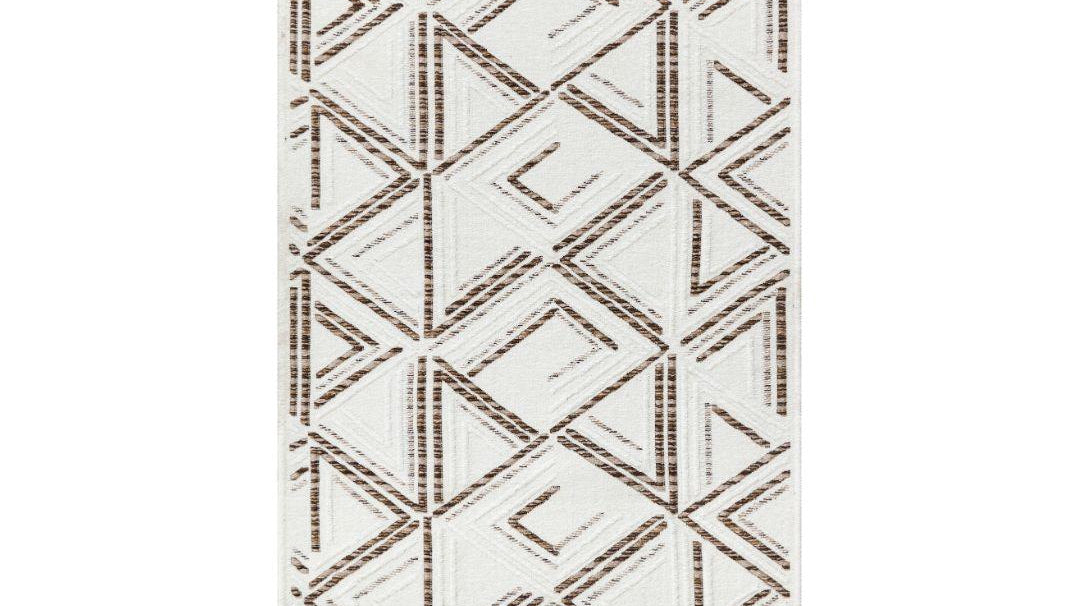












Most washable rugs need a full machine wash every two to six months. Entryways, kitchens and homes with pets or crawling babies sit at the two-month end; a low-traffic bedroom or guest room can go six months or longer. Spot clean spills the day they happen and vacuum weekly, and the full wash stays a seasonal job rather than a chore.
Why there is no single answer
People ask this question expecting a number, and the honest answer is that it depends on what walks across the rug. A washable rug in a shoes-off apartment with one adult is doing very little work. The same rug inside a front door in a house with two dogs and a gravel driveway is taking a beating every day.
What actually drives the schedule is three things: grit, oils and odour. Grit is sand and dirt tracked in on shoes and paws, and it is the thing that wears a rug out, because it sits in the weave and saws at the fibres every time someone walks over it. Oils come from bare feet, skin and cooking. Odour is mostly pets, damp shoes and spilled food.
Vacuuming handles grit. Only a wash handles oils and odour properly.
Washing schedule by room
This is the schedule we give customers who ask. Treat it as a starting point and adjust to what you see and smell.
| Where the rug lives | Full wash | Vacuum | Why |
|---|---|---|---|
| Entryway or mudroom | Every 4-6 weeks | 2x per week | Every bit of outdoor grit lands here first |
| Kitchen | Every 6-8 weeks | 2x per week | Grease and food splatter build up invisibly |
| Living room, pets or young kids | Every 8-12 weeks | Weekly | Dander, hair and accidents |
| Living room, adults only | Every 3-4 months | Weekly | Steady but gentle traffic |
| Bedroom | Every 4-6 months | Every 1-2 weeks | Bare feet, low grit, mostly skin oils |
| Guest room or home office | Every 6-12 months | Monthly | Barely used, wash when it looks dull |
| Bathroom | Every 2-3 weeks | Weekly | Damp fibres are the one real mildew risk |
The bathroom row is the exception worth flagging. A rug that gets damp repeatedly and never fully dries is the one situation where waiting too long causes a problem rather than just a dull-looking rug.

Five signs it is time, regardless of the calendar
- The colour looks flat. A film of fine dust dulls a pattern long before the rug looks visibly dirty. Compare a corner under furniture with the middle.
- It smells faintly of anything. If you notice it when you walk in from outside, guests notice it the whole time.
- Bare feet feel a slight tackiness. That is oil buildup, and vacuuming will not touch it.
- Traffic lanes have appeared. Darker paths where people walk mean ground-in soil.
- Someone in the house has allergies flaring. Rugs trap dander and pollen, which is a genuine advantage right up until the rug is saturated.
How to freshen a rug between washes
Half the value of a washable rug is that you can wash it whenever you like. The other half is that a five-minute routine means you rarely need to. Here is the sequence, in order.
- Shake it out. Take the rug outside and shake it hard, or drape it over a railing and beat it. Most of what makes a rug look tired is loose grit sitting in the weave.
- Vacuum both sides. Vacuum the top, then flip the rug and vacuum the back. Grit falls through a flatweave and sits underneath, where it grinds at the fibres.
- Spot clean fresh marks. Blot spills with a damp cloth and a drop of mild detergent, working from the outside of the mark inwards. Do not scrub.
- Deodorise with baking soda. Sprinkle baking soda over the rug, leave it 30 minutes, then vacuum it up. This handles light odour without a wash cycle.
- Rotate the rug. Turn it 180 degrees so foot traffic and sunlight land evenly. This is the single easiest way to stretch the time between washes.
Do that monthly and most rooms move a full tier down the schedule above.

Can you wash a washable rug too often?
Not really, within reason. A well-made washable rug is designed for repeated cycles, and we would rather a customer washed monthly than let a rug get to the point where a wash cannot rescue it. What does cause damage is how you wash, not how often: hot water, bleach, fabric softener and high-heat drying will shorten any rug's life far faster than frequency will.
Our rules are the same every time. Cold water, gentle cycle, mild detergent, no softener, and air dry flat or on a low tumble. Follow that and washing every six weeks is genuinely fine.
One practical limit: check the size. A 2x3 or 2x6 rolls into a standard washer easily, a 5x7 usually needs a large-capacity or laundromat machine, and an 8x10 is generally a laundromat job. That is worth knowing before you buy, and it is covered in our guide to what size washer you need for a washable rug.
The Arconiz angle
We work directly with the mills in Turkey that weave our rugs, with no middleman in between, and the wash cycle is something we test rather than assume. Our machine washable range is low pile and made from recycled fibre with a non-slip backing, which matters here for a boring but useful reason: low pile dries fast. A dense high-pile rug can take two days to dry properly, and that alone makes people put off washing it.
If you are washing on a short cycle regularly, a flatweave kilim like our gray classic stripe washable runner is the easiest thing in the house to look after - it rolls up small, washes cold, and is dry by the evening. You can see the full range in our machine washable rug collection.
If you are still deciding whether the format suits your home, our honest take is in are machine washable rugs worth it. Homes with animals should also read the best washable rugs for pets, and if the rug in question is in a cooking space, washable area rugs for the kitchen covers the grease problem in more detail.
Written by the Arconiz team. We source handwoven and machine washable rugs directly from manufacturers in Turkey and test every care instruction we publish on our own stock.