







Choosing the perfect indoor rug can transform your living space. It adds warmth, style, and comfort to any room. But with so many options, where do you start?
This guide will help you navigate the world of indoor rugs. We'll provide practical tips to make your rug purchase a success. Whether you're a homeowner or an interior design enthusiast, these insights are for you.
Understanding the function of your room is crucial. High-traffic areas need durable rugs. Meanwhile, a bedroom might benefit from a softer, plush option. Accurate measurements are key. A rug that's too small or too large can disrupt the room's balance. We'll show you how to measure correctly.
Material choice affects both look and feel. Wool, cotton, and synthetic fibers each have unique benefits. We'll explore these options in detail.
Budgeting is also important. Setting a realistic budget helps narrow down choices. It prevents overspending while ensuring quality.
Assess the Room's Function and Traffic
Choosing the right rug begins with understanding the room's purpose. Different rooms serve different functions, impacting your choice of rug. A living room area rug serves a different role than one for the kitchen.
Consider high-traffic areas like hallways or entryways. These need rugs made of durable materials. In contrast, bedrooms and study areas can opt for more luxurious, softer rugs.
Evaluate the typical foot traffic each room experiences. Busy households may need harder-wearing rugs. Families with children or pets will benefit from stain-resistant options to manage spills and dirt.
To make the best choice, ask yourself these questions:
- What is the room's primary function?
- How much foot traffic does it experience daily?
- Are pets or young children present in the home?

For rooms with frequent use, consider rugs with lower piles. These are easier to clean and maintain over time. They also endure daily wear better. Meanwhile, spare rooms or guest bedrooms might enjoy high-pile rugs for added comfort. With a clear understanding of the room's needs, choosing the right rug becomes a manageable task.
Measure Your Space Accurately
Accurate measurements are crucial for selecting the perfect rug. It ensures the rug fits seamlessly into your space. Begin by measuring the room's length and width.
Identify the specific area you intend to cover with a rug. This might be under a coffee table or dining set. Be precise with these measurements.
Consider the furniture layout. It's important to factor in clearances around furniture. This helps in choosing a rug size that accommodates all elements harmoniously.
Use these questions as a guide:
- Where exactly will the rug go?
- How much of the floor should be covered?
- How does furniture positioning impact rug size?

Remember to leave some visible floor space around the rug's edges. This creates a balanced look in the room. Layering or overlapping rugs can work in open-plan areas to define different zones. Ensuring proper dimensions prevents awkward fitting and enhances aesthetic appeal. A well-measured rug complements the room, integrating with the decor effortlessly.
Choose the Right Rug Size and Placement
Selecting the right rug size enhances the room's design. It's vital for room harmony and comfort. A too large or to -small rug disrupts flow and balance.
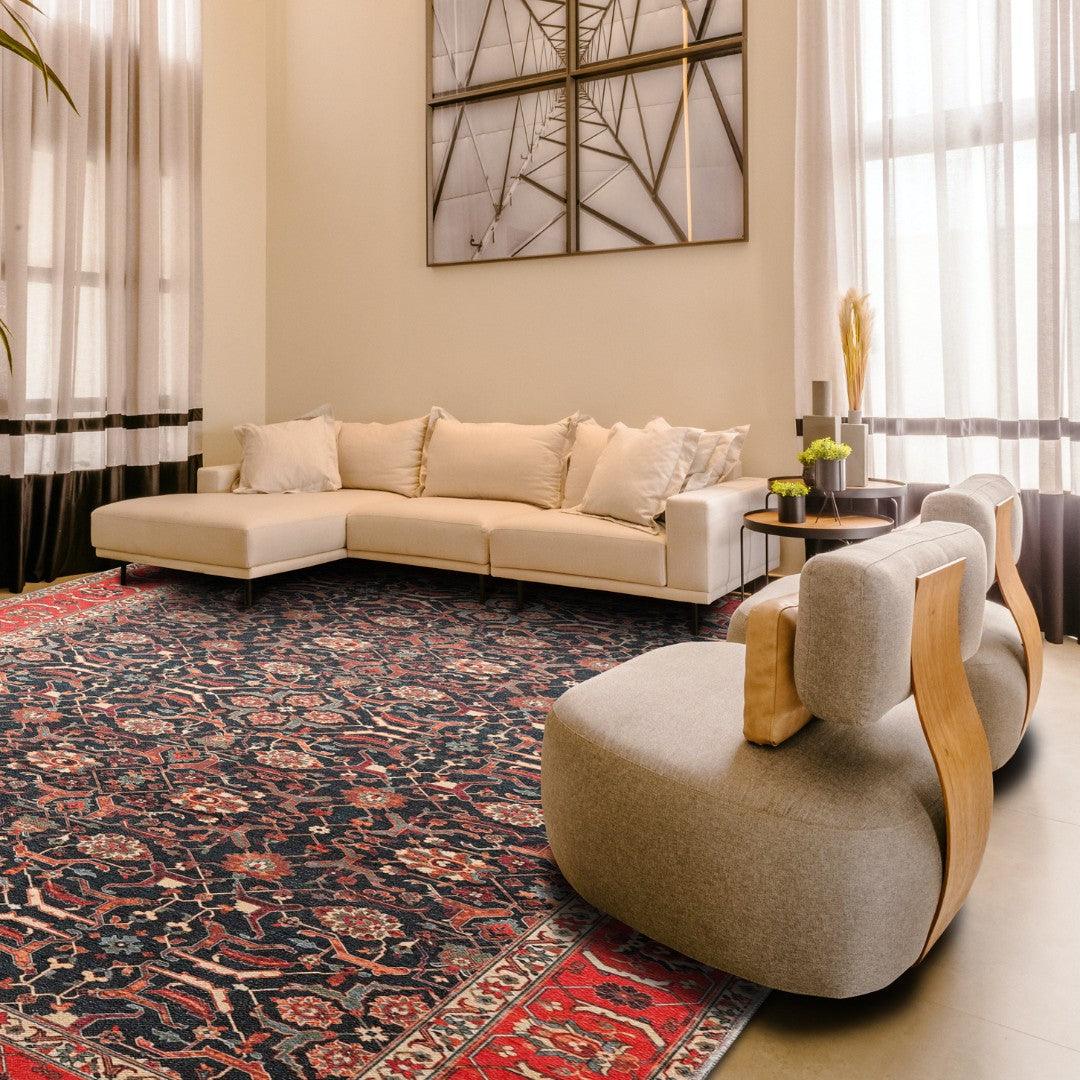
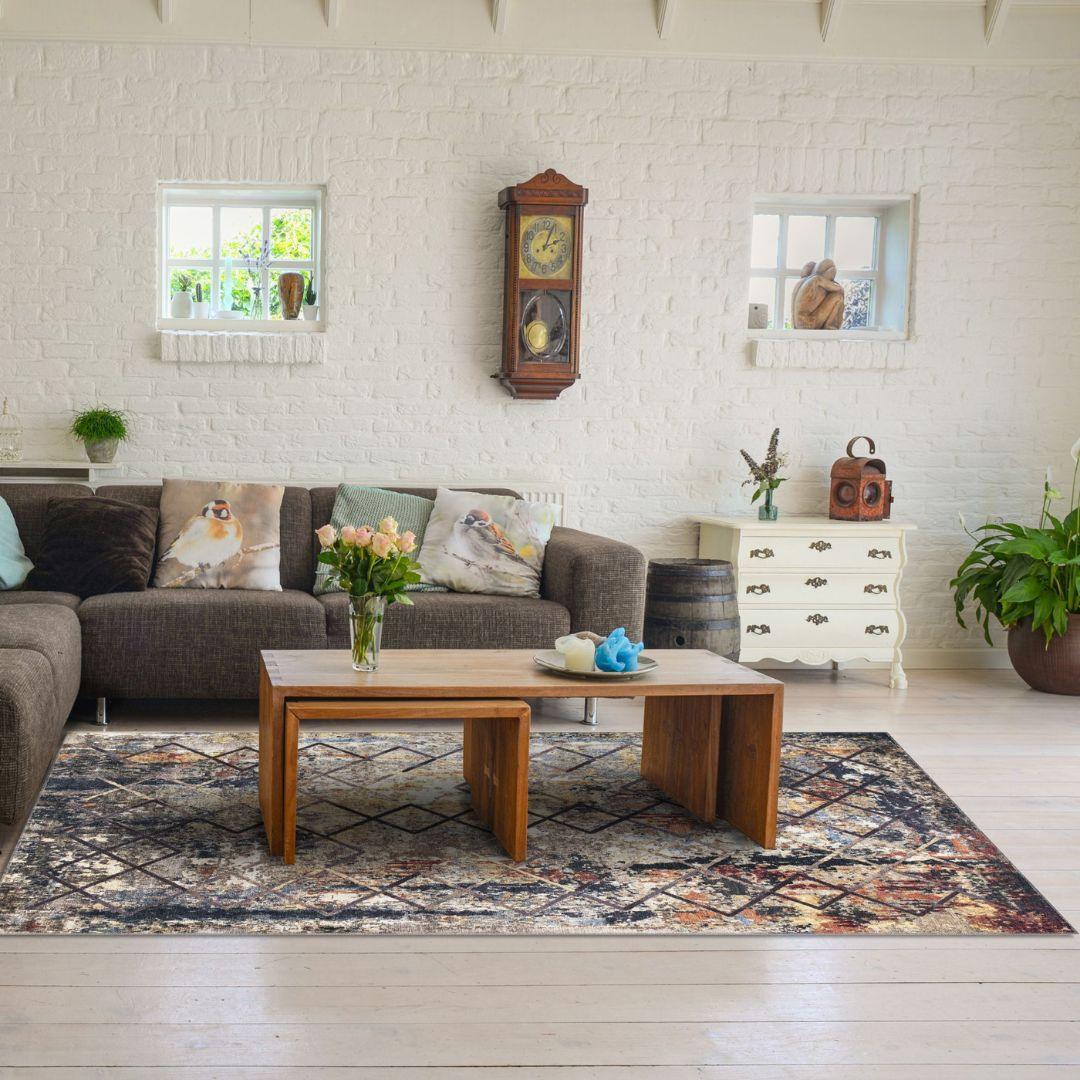
Use furniture as a guide to determine rug size. In living rooms, a common practice is placing the rug under the front legs of sofas. This ties the seating area together visually.
Dining rooms require special consideration. Ensure that the rug is large enough for the dining chairs to remain on the rug when pulled out. Otherwise, it may cause instability.
Consider these placement tips:
- Living room: Front legs on the rug.
- Dining room: Chairs stay on the rug.
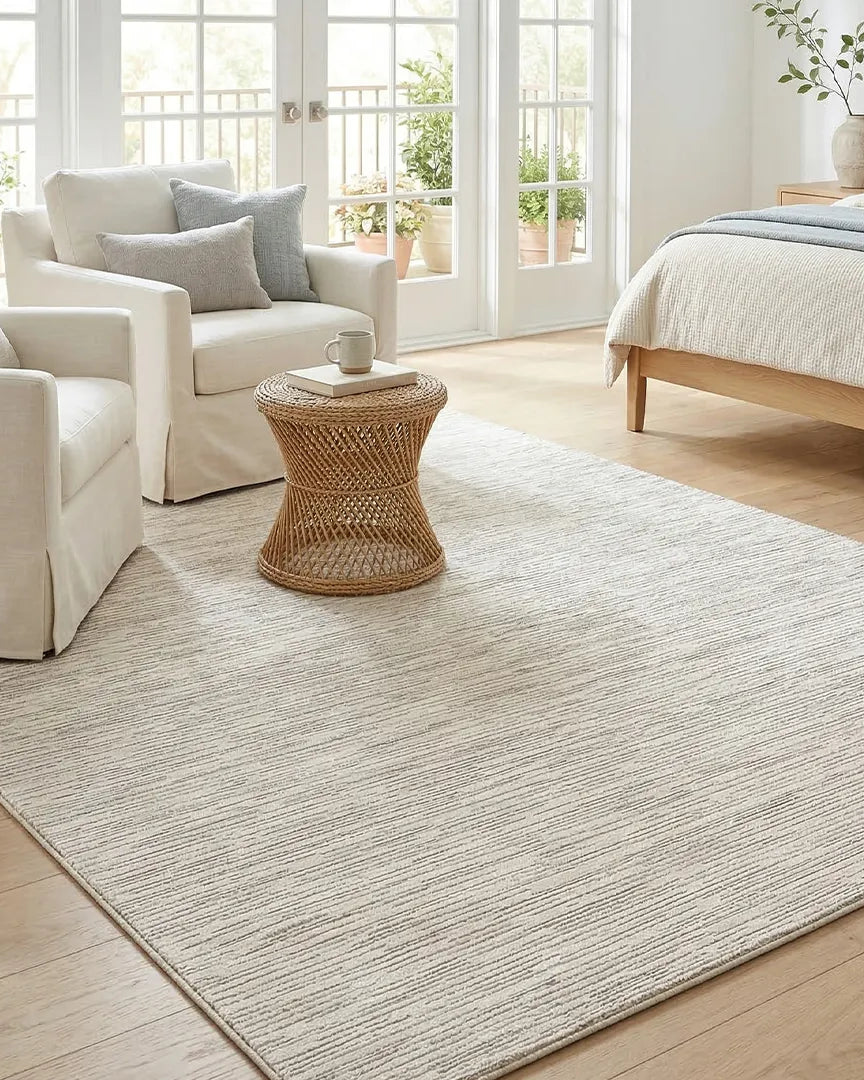
- Bedroom: Rug extends beyond the bed.

For bedrooms, place the rug under the bed with enough rug extending on each side. This provides a soft surface to step on and enhances comfort. Rugs can define and anchor furniture arrangements, enhancing the overall aesthetic. Proper placement emphasizes comfort and style, creating a cohesive and inviting space. Carefully selected sizes and placements elevate both function and appearance in your home.
Understand Rug Materials and Their Benefits
Choosing the right rug material is crucial. Each material has unique characteristics that suit different needs and styles. Consider both functionality and aesthetics when selecting a rug.
Wool is a popular choice for its durability and softness. It offers natural stain resistance and excellent insulation. Wool rugs are ideal for high-traffic areas due to their resilience.
Cotton rugs are often chosen for their affordability and easy maintenance. They are lightweight and can be machine-washed, making them perfect for casual spaces. However, they may not last as long as wool rugs.
Synthetic fibers, such as nylon and polyester, are also common. They are typically budget-friendly and come in various styles and colors. These materials are less prone to fading and offer excellent stain resistance.
Consider these materials:
- Wool: Durable, soft, naturally stain-resistant.
- Cotton: Affordable, easy to clean.
- Synthetic (nylon/polyester): Budget-friendly, fade-resistant, varied styles.

Finally, consider natural fibers like jute or hemp for eco friendliness. These materials add texture and are biodegradable. However, they can be less comfortable underfoot. For a deeper dive into the characteristics of different materials, explore our guide on understanding rug materials. Knowing the pros and cons helps you make informed choices, ensuring the rug suits your home's style and needs. Select materials based on their features and how they align with your space's demands.
Consider Pile Height and Texture
Pile height and texture are key factors in choosing an indoor rug. They affect a rug's look and feel. Consider where you intend to place your rug to determine the best options.
Low pile rugs have shorter fibers. They are easier to clean and maintain. These rugs work well in high-traffic areas or homes with pets and children.
High pile rugs, like shag rugs, offer luxurious comfort and warmth. They are best suited for spaces where you can relax. Use them in bedrooms or cozy living rooms for a plush feel.
Here's what to consider:
- Low Pile: Easy to clean, durable.
- Medium Pile: A balance between easy maintenance and comfort.
- High Pile: Plush, soft, requires more care.

Texture adds depth and interest to any room. Choosing the right combination enhances your decor. Consider how each texture complements your furnishings and decor.
Match Rug Style and Color to Your Decor
Matching your rug style with your home's decor is crucial. Rugs can seamlessly tie a room together. Choose styles that enhance your existing furniture and accent pieces.
Color plays a big role in how a rug complements your space. Select colors that harmonize with your walls, furniture, and accessories. A cohesive color palette creates a harmonious look. To learn more about how rug colors can influence your space.
Consider using a rug as a statement piece. Bold patterns or vibrant colors can add personality to a neutral room. They serve as focal points, drawing attention to specific areas.
Rug styles vary vastly. Here are some to consider:
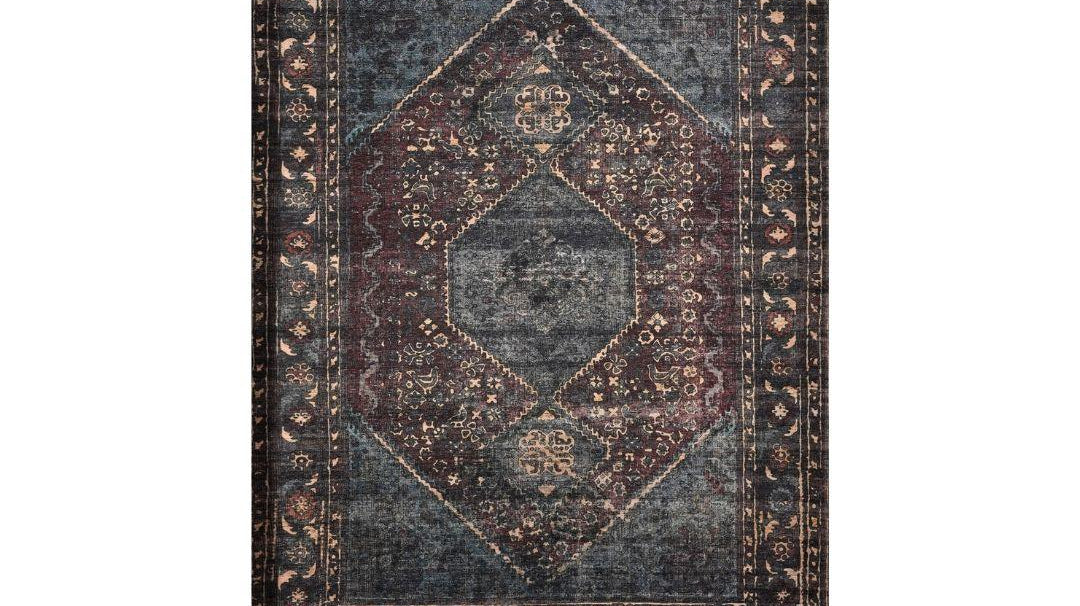
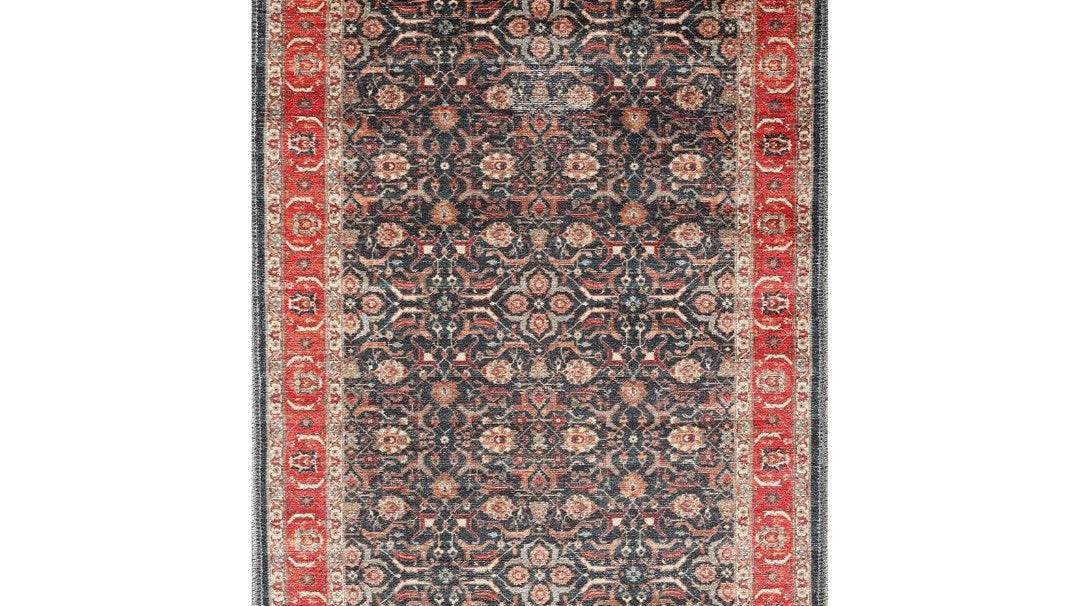
- Traditional: Classic patterns, often with rich colors.
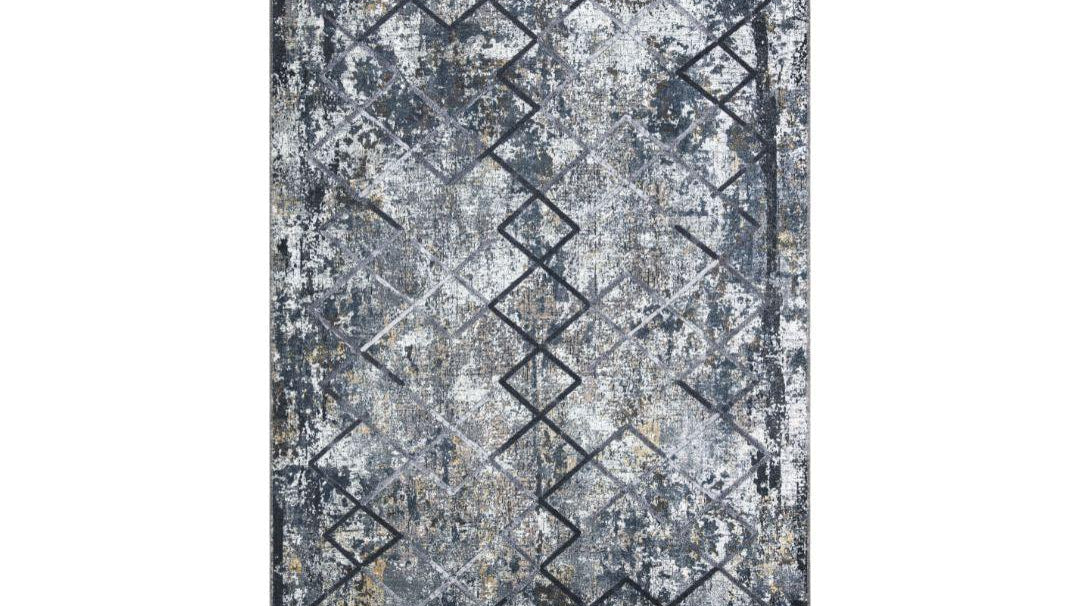
- Contemporary: Minimalistic designs with modern appeal.
- Bohemian: Eclectic patterns and vibrant hues.

Pay attention to the room's tone and ambiance. Rugs with similar hues to your decor create warmth and unity. On the other hand, contrasting colors add drama and interest.
Set a Realistic Budget and Shop Smart
Whether you're drawn to modern, contemporary, or vintage styles rugs, understanding the differences can help you make the right choice. Pay attention to the room's tone and ambiance. Rugs with similar hues to your decor create warmth and unity. On the other hand, contrasting colors add drama and interest.
Rugs come in various price ranges. Higher quality rugs often cost more, but they offer durability and lasting appeal. Consider the long-term value they add to your home.
When shopping, look for deals and discounts. Online stores frequently offer sales, and local outlets sometimes have clearance events. Keep an eye out to get the best price possible.
Here are some tips to shop smart:
- Research: Compare prices across different retailers.
- Consider Second-Hand: Explore vintage or second-hand options for unique finds.
- Read Reviews: Customer feedback can provide insights into quality and wear.

Budgeting wisely ensures you invest in a rug that matches your style without breaking the bank. Make informed decisions to get the most value for your money. Browse our collection of best-seller rugs to find quality options at various price points.
Don't Forget Rug Pads and Backing
Rug pads are often an overlooked accessory but are essential for both safety and rug longevity. These pads prevent rugs from sliding and provide extra cushioning underfoot, enhancing comfort.
The right rug pad can also extend the life of your rug by reducing friction against the floor. This not only protects your floors but also prevents premature wear on the rug itself. Choosing the right thickness and material depends on both your floor type and personal preference.
When selecting a rug pad or considering the rug's backing, keep these points in mind:
- Safety: Choose non-slip pads for high traffic areas.
- Material Compatibility: Ensure compatibility with your flooring type (e.g., hardwood, tile).
- Support: Opt for pads that provide additional support and comfort.

Rug pads are a small investment with significant benefits. They not only keep your rugs securely in place but also enhance the overall comfort and durability.
Think About Maintenance and Durability
When selecting an indoor rug, consider how much maintenance it will require. Rugs in high-traffic areas, like hallways, need more frequent cleaning. For families with kids or pets, easy-to clean rugs are a priority.
Durability is also a significant factor. Opt for materials known for their resilience, such as wool or synthetic blends. These materials are more likely to withstand the wear and tear of daily life.
Additionally, look for rugs with stain-resistant treatments. This feature can save you time and effort, especially in busy households. If easy maintenance is a top priority, consider exploring our selection of easy care washable rugs that can handle frequent cleanings while maintaining their appearance.
Here are some key maintenance and durability considerations:
- Traffic Level: Choose durable materials for busy areas.
- Cleaning Requirements: Select easy-to-clean rugs in homes with pets or kids.
- Stain Resistance: Opt for rugs that repel stains for easier upkeep.

Investing in a rug that balances style, durability, and maintenance needs will ensure it remains a beloved addition to your home for years.
Test, Layer, and Personalize for the Best Fit
Before making a purchase, bring a rug sample into your space to see how it interacts with the lighting and existing decor. This test run allows you to confirm that the rug complements your room's aesthetic.
Layering rugs is another creative technique that can add depth and interest to a room. Use different textures and patterns to create a unique, personalized look. This approach can make the space feel warmer and more cohesive.
Personal touches can transform a room. Incorporate rugs that reflect your personal style or cultural heritage. Whether bold or subtle, a well-chosen rug can become a conversation piece. Discover unique options in our hand-woven rugs collection that showcase traditional craftsmanship.
Consider these personalization strategies:
- Test Samples: Try a sample to ensure compatibility.
- Layering: Combine patterns and textures for depth.
- Personalization: Choose styles that reflect individual taste.

This method allows your rug to express your personality while enhancing the room's overall design.
Bonus Tips: Trends, Sustainability, and Special Considerations
Staying updated with rug trends can keep your decor fresh and stylish. However, prioritize timeless designs for longevity. Current trends include bold geometric patterns and natural tones.
Sustainability is increasingly important. Consider eco-friendly rug options made from renewable or recycled materials. These choices support environmental health and often offer unique textures.
Some rooms have special considerations when choosing area rugs. For instance, in spaces with underfloor heating, ensure the rug is compatible. Also, consider potential allergen impacts of certain materials.
Remember these extra tips:
- Trend Awareness: Incorporate trends thoughtfully.
- Eco-Friendly Choices: Opt for sustainable materials.
- Room Specifics: Be mindful of room conditions.
Keeping these factors in mind can enhance both the functionality and the appeal of your indoor rugs.
Conclusion: Making Your Indoor Rug Work for You
Choosing the right indoor rug involves several considerations, from size and style to material and durability. By assessing your room's function and traffic, you can select a rug that truly meets your needs.
With these buying tips, your area rugs can transform any space. They not only enhance aesthetics but also add comfort and protection. Remember to personalize your choice to reflect your unique style and enjoy the warmth and character your rug brings to your home. Visit our store to explore our complete rugs collection and find the perfect rug for every room in your home.