









Rug Size Guide
| General Rug Size (ft) | Exact Size (in) | Exact Size (cm) |
|---|---|---|
| 2'x3' | 24 in x 36 in | 60 cm x 90 cm |
| 2'x6' | 24 in x 71 in | 60 cm x 180 cm |
| 3'x5' | 3 ft 3 in x 5 ft | 100 cm x 150 cm |
| 5'x7' (SAPHIRE) | 5 ft 1 in x 7ft 7 in | 155 cm x 230 cm |
| 5'x7' (OPAL) | 5 ft 1 in x 7ft 3 in | 155 cm x 220 cm |
| 5'x7' (LOLITE) | 5 ft x 7ft 3 in | 150 cm x 220 cm |
| 5'x7' (RUBY-EMERALD-DIAMOND) | 5 ft 3in x 7ft 3 in | 160 cm x 220 cm |
| 8'x10' | 8 ft x 10 ft | 240 cm x 300 cm |
| 6 Round | 6 ft 7 in x 6 ft 7 in | 200 cm x 200 cm |
You may also like
Loved by Thousands
See what our customers are saying about their favorite products


Frequently Asked Questions
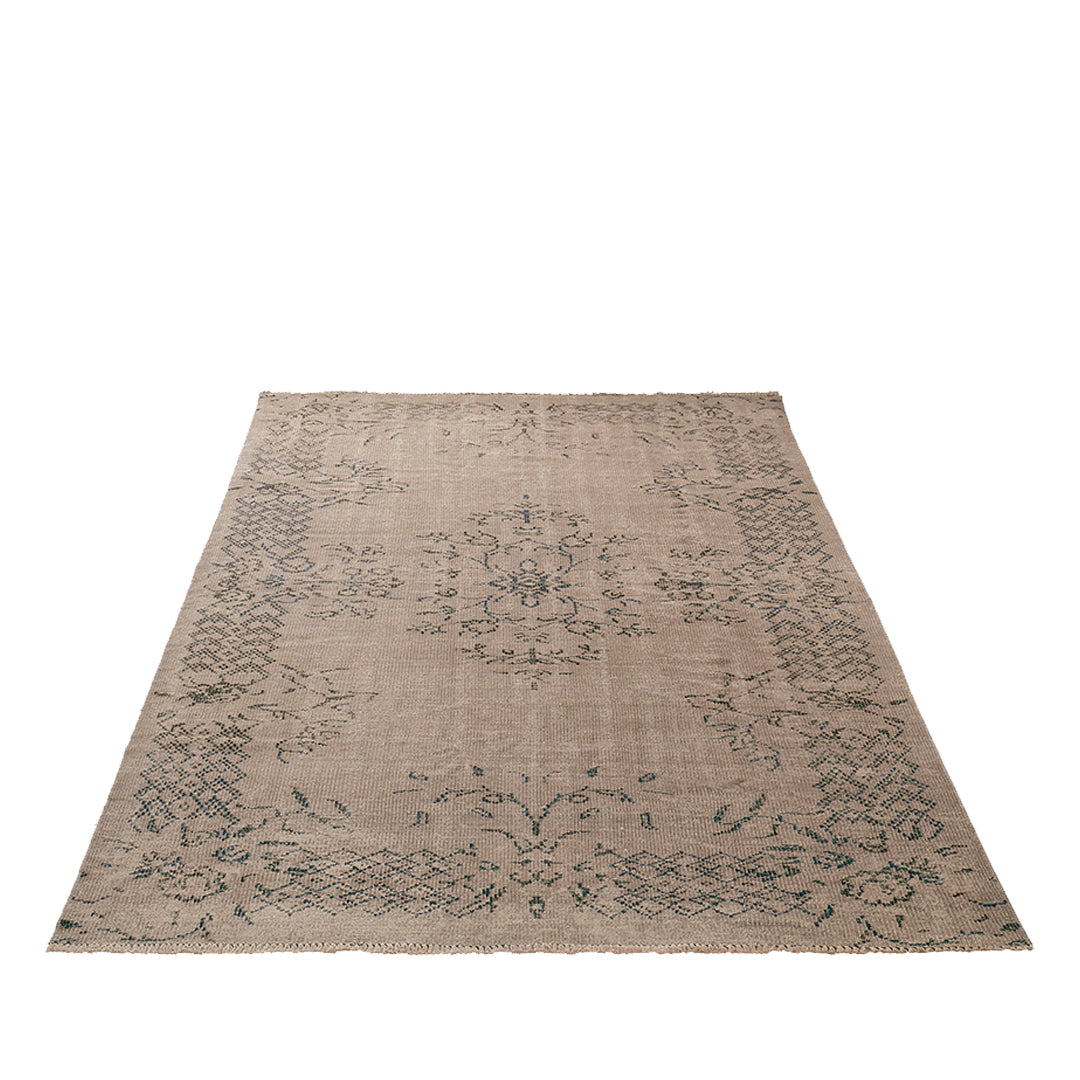
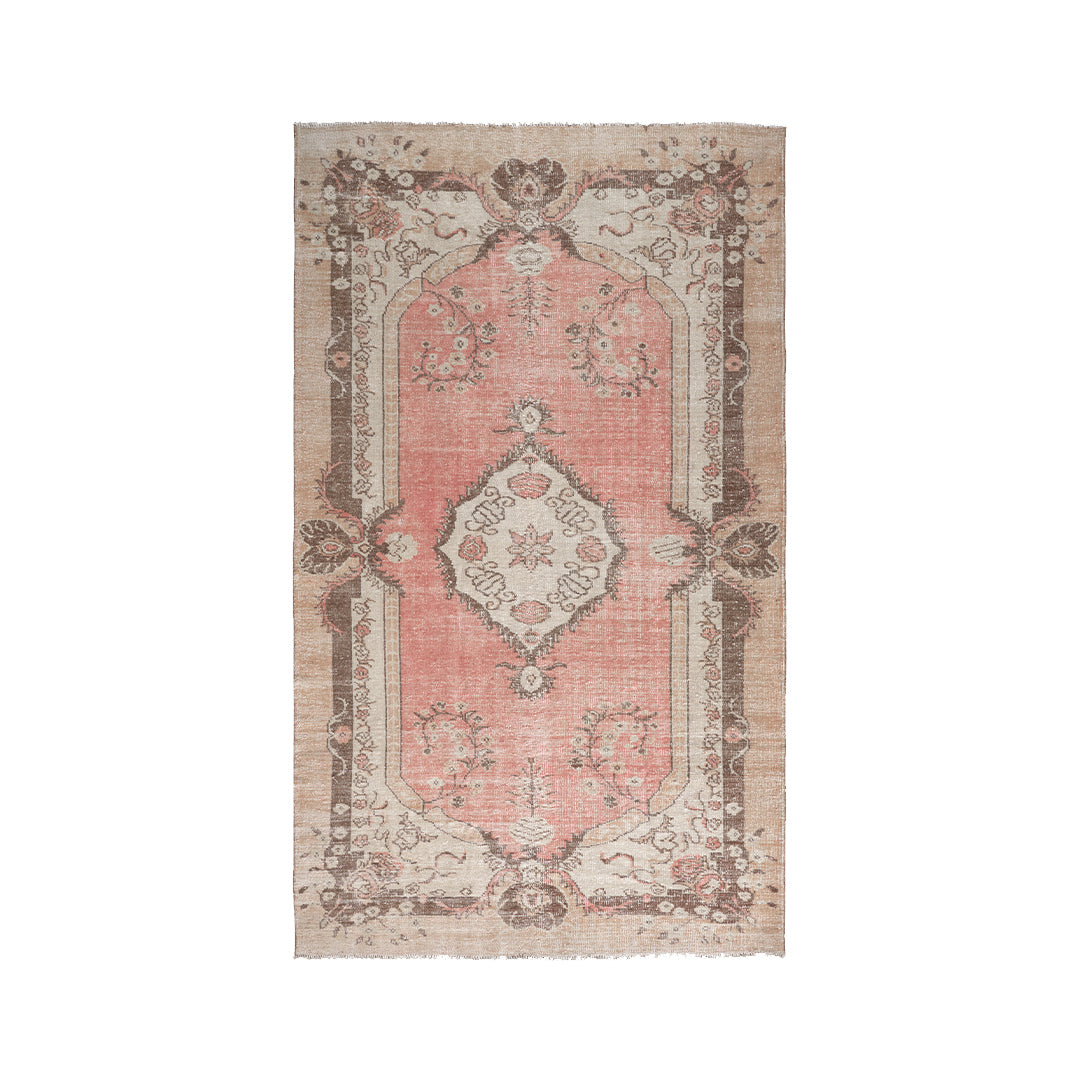
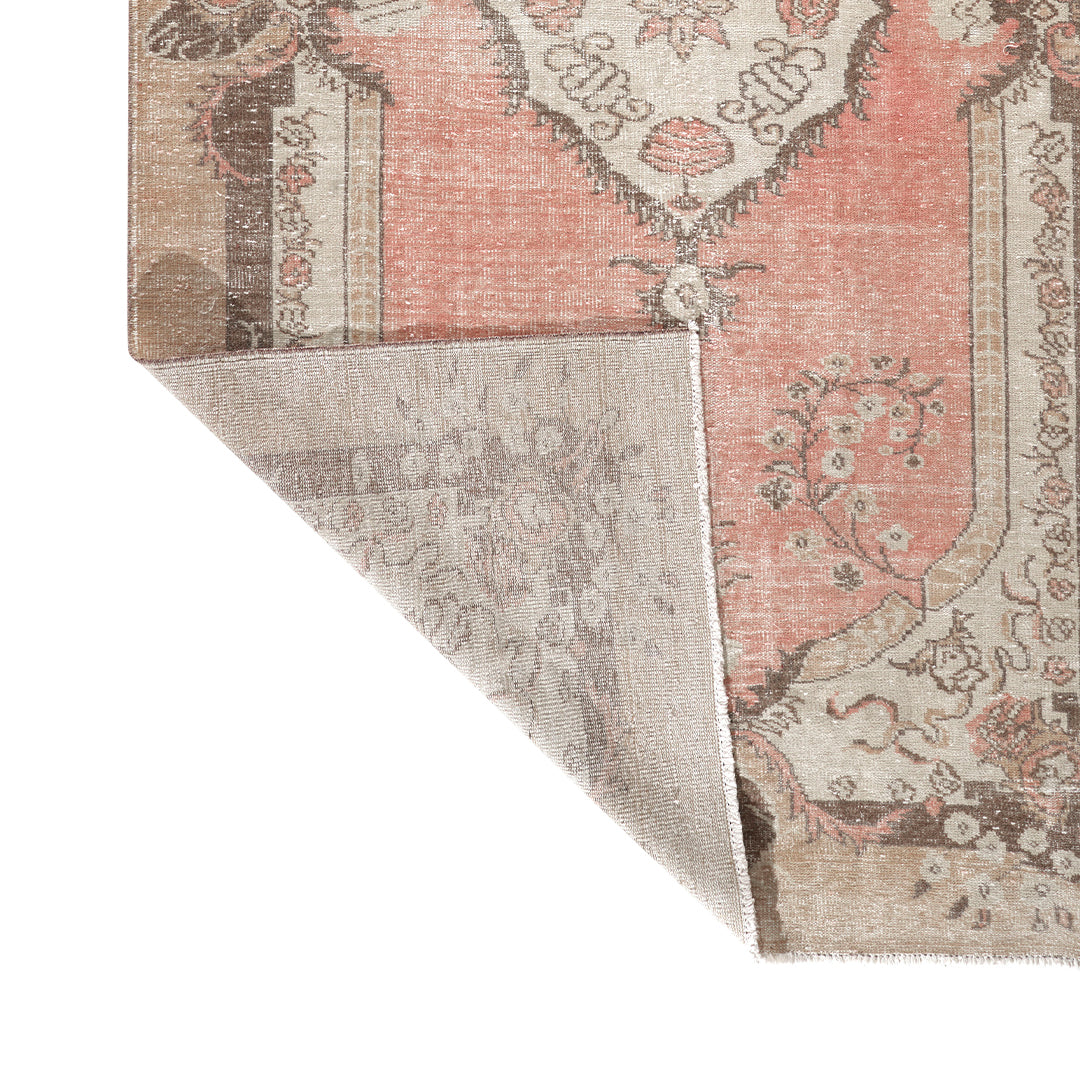
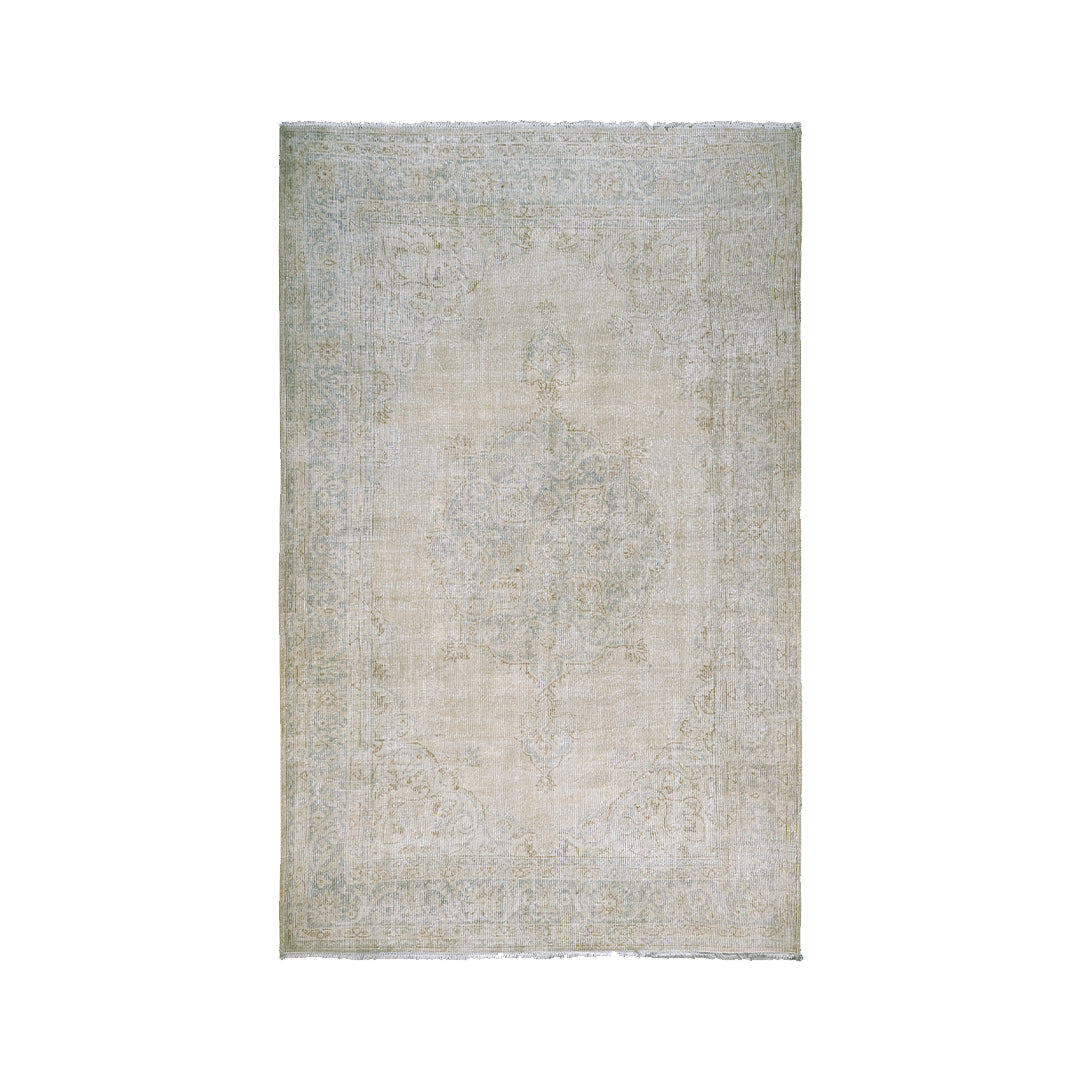
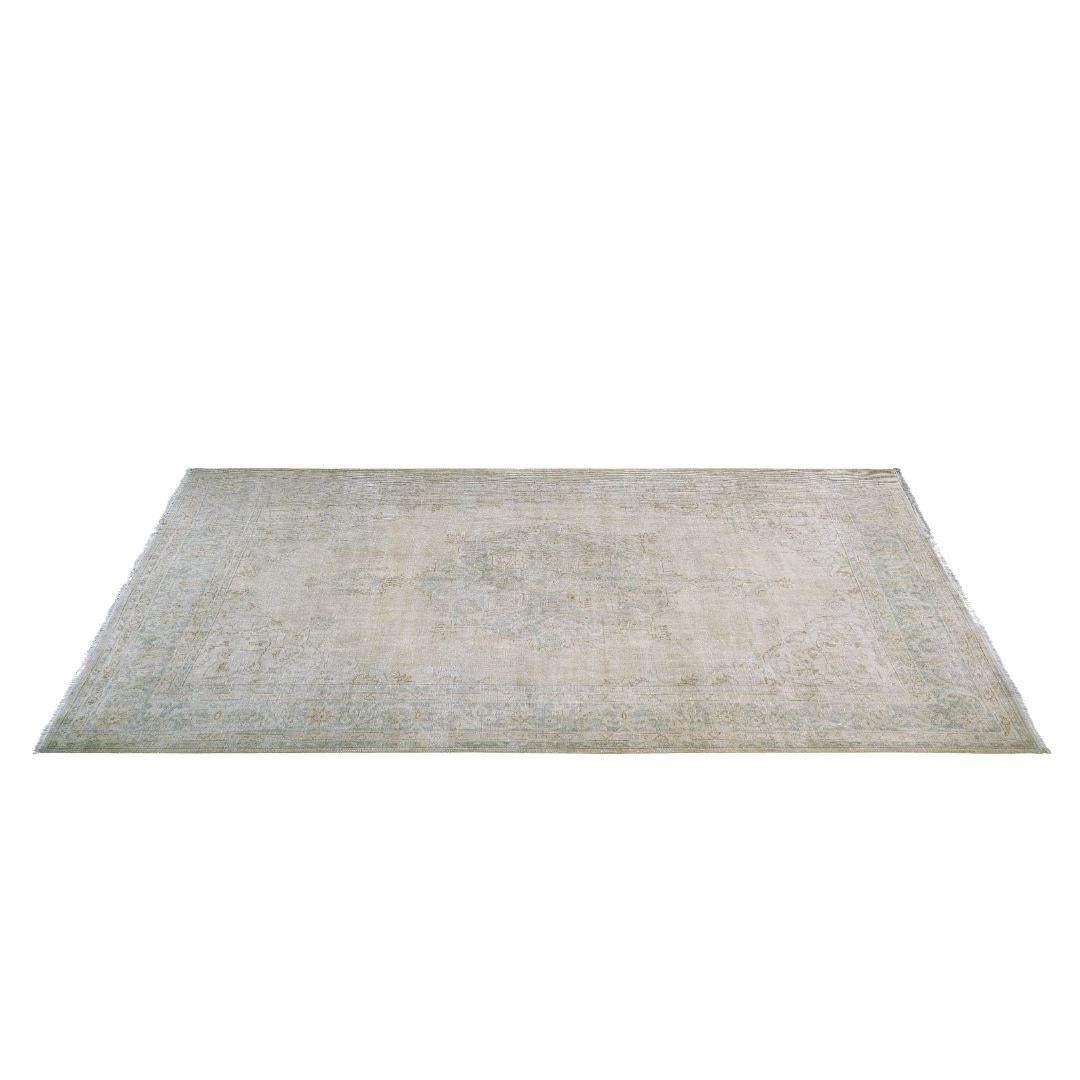
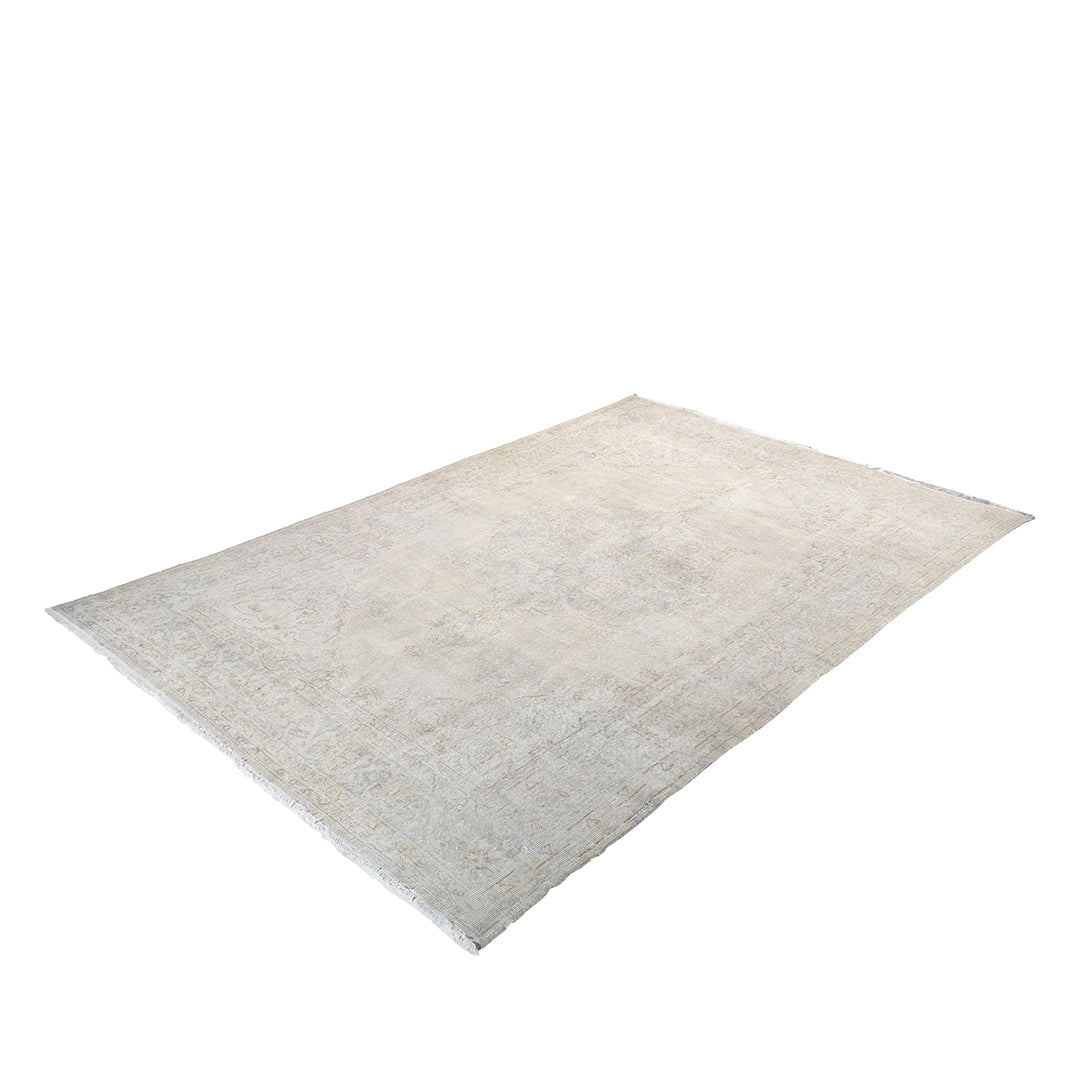
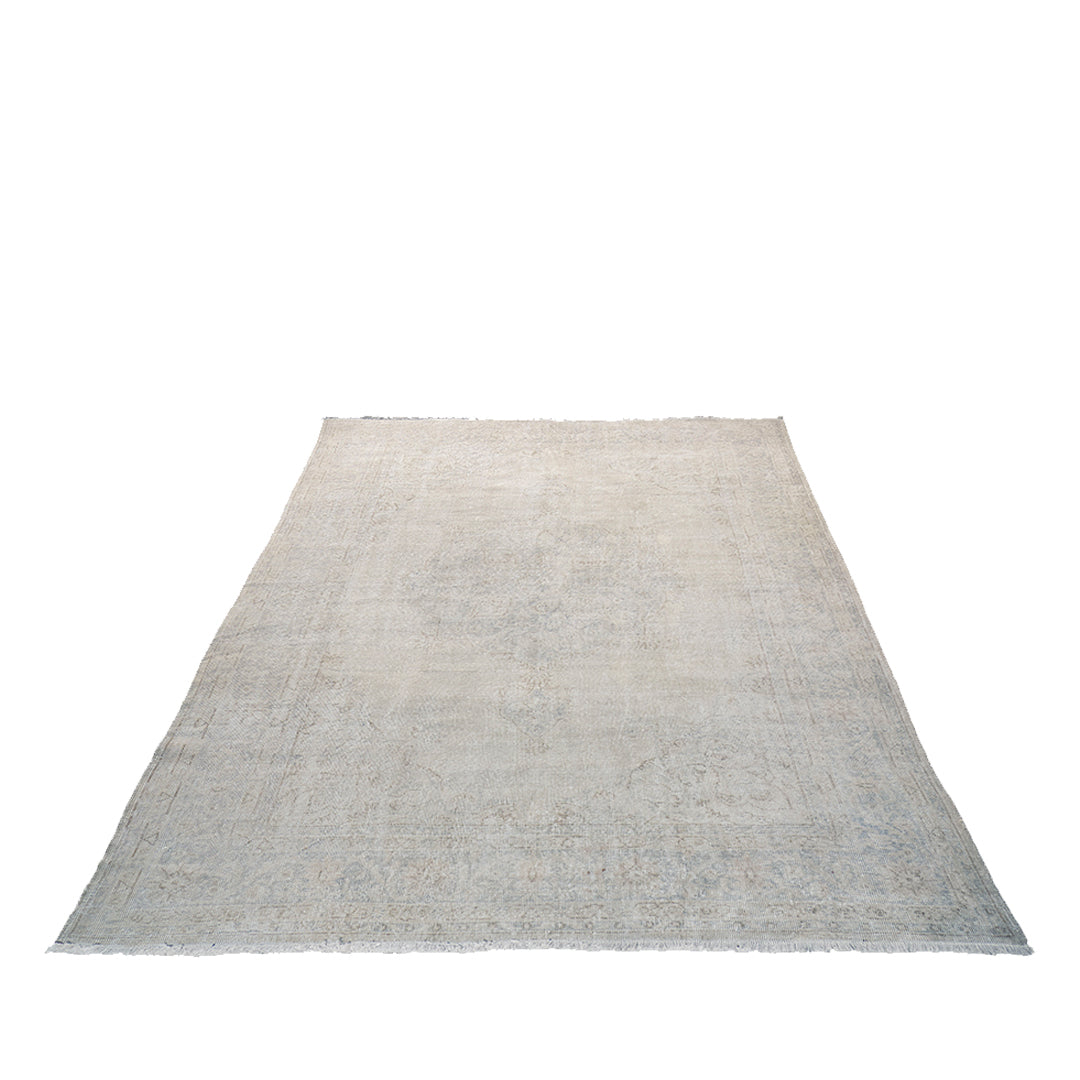
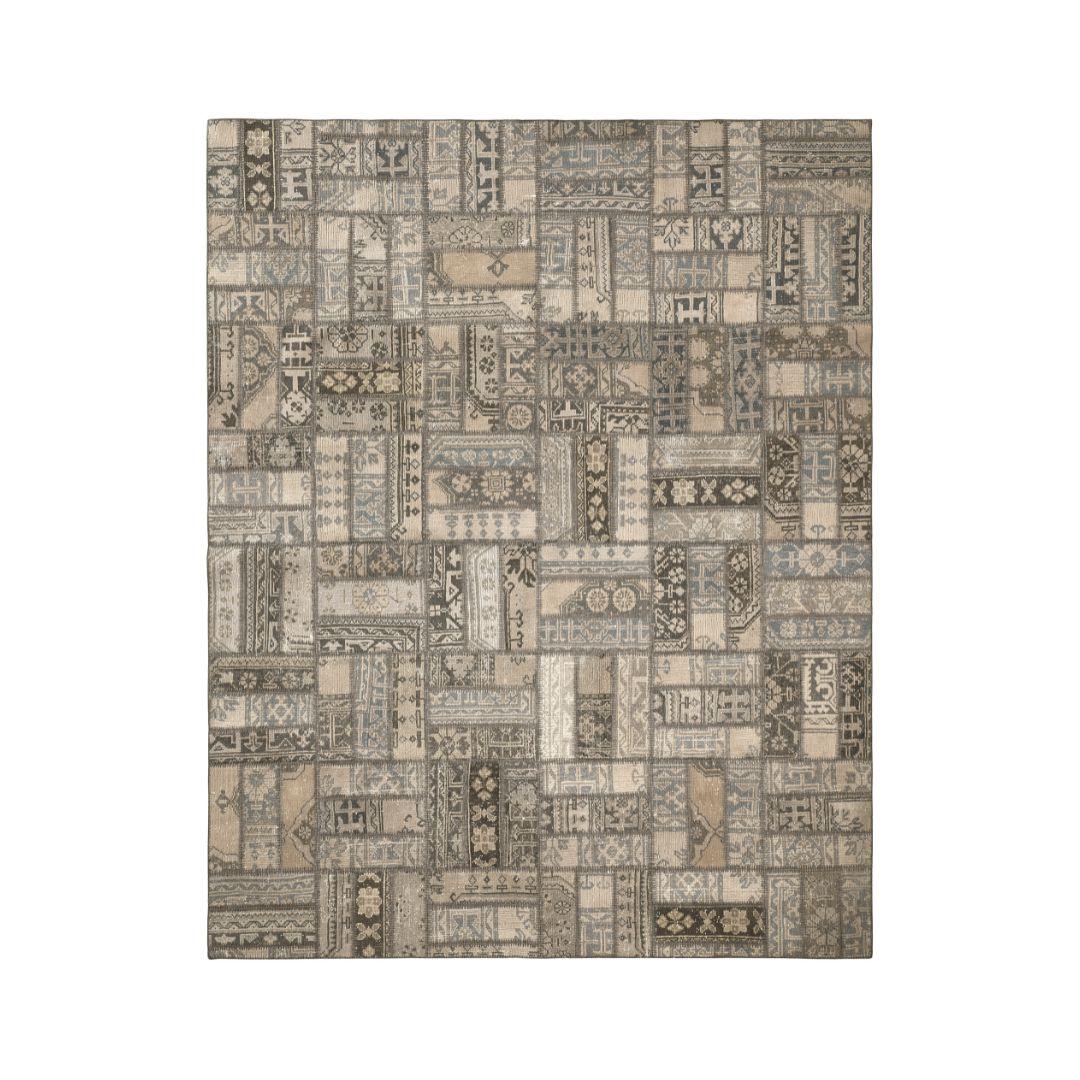
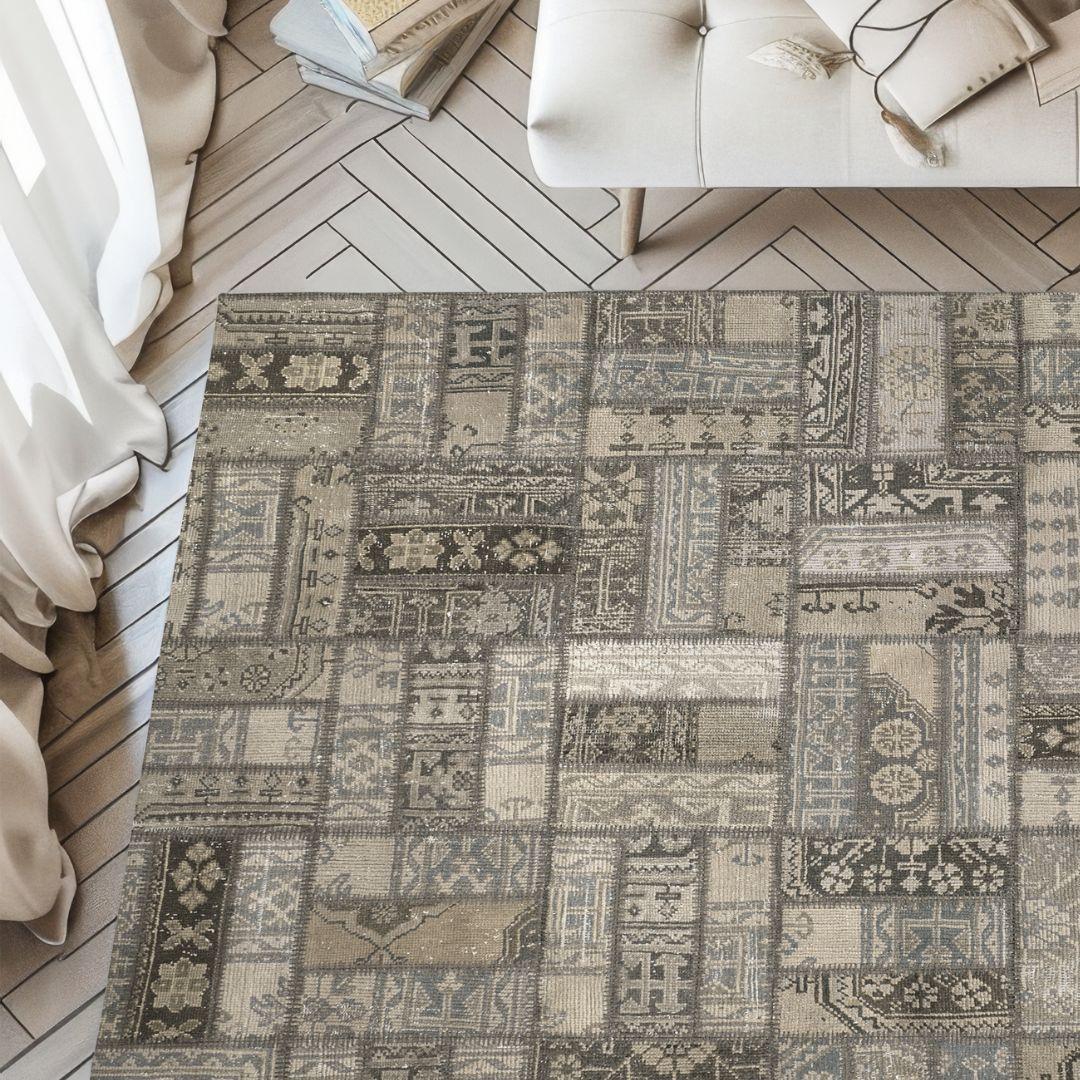
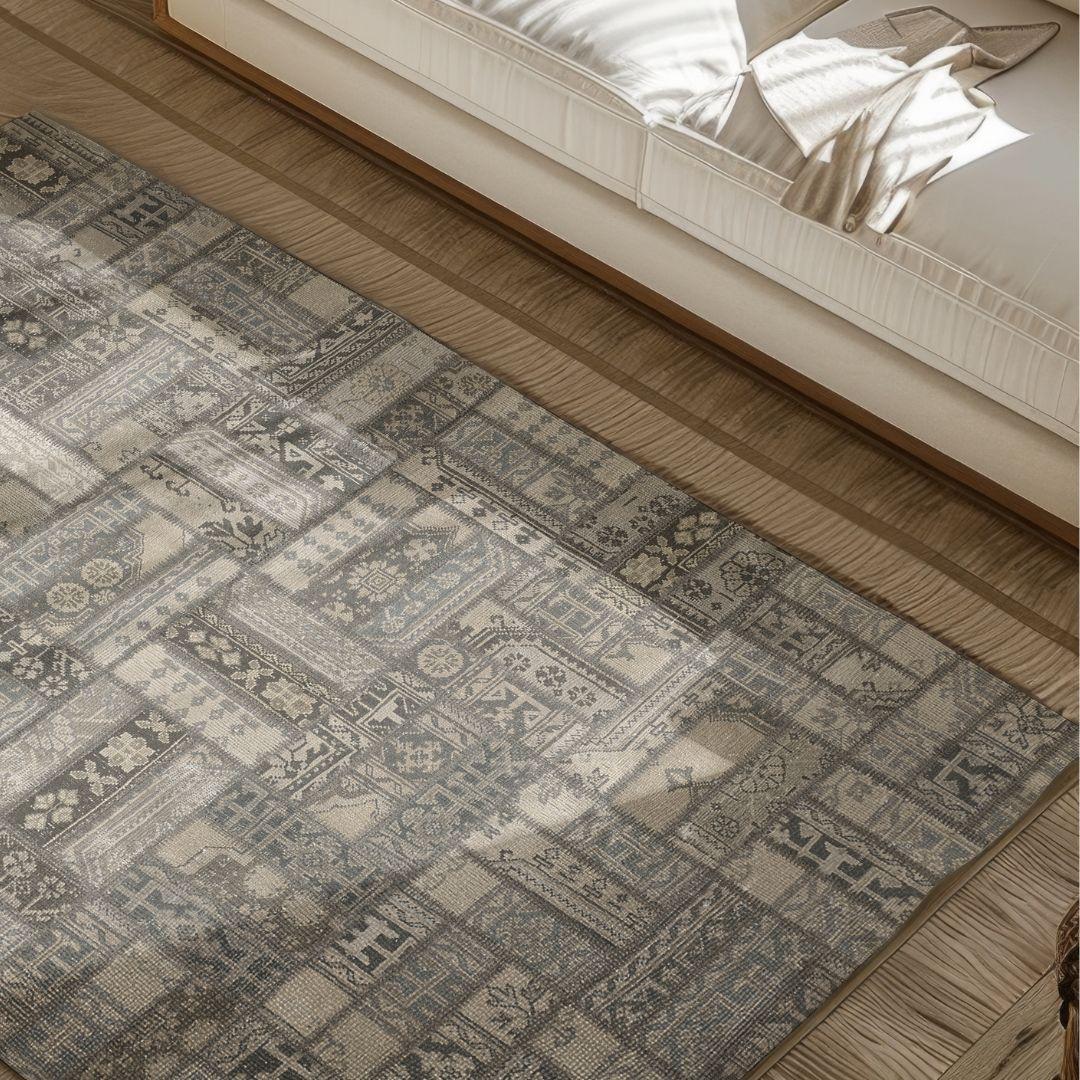
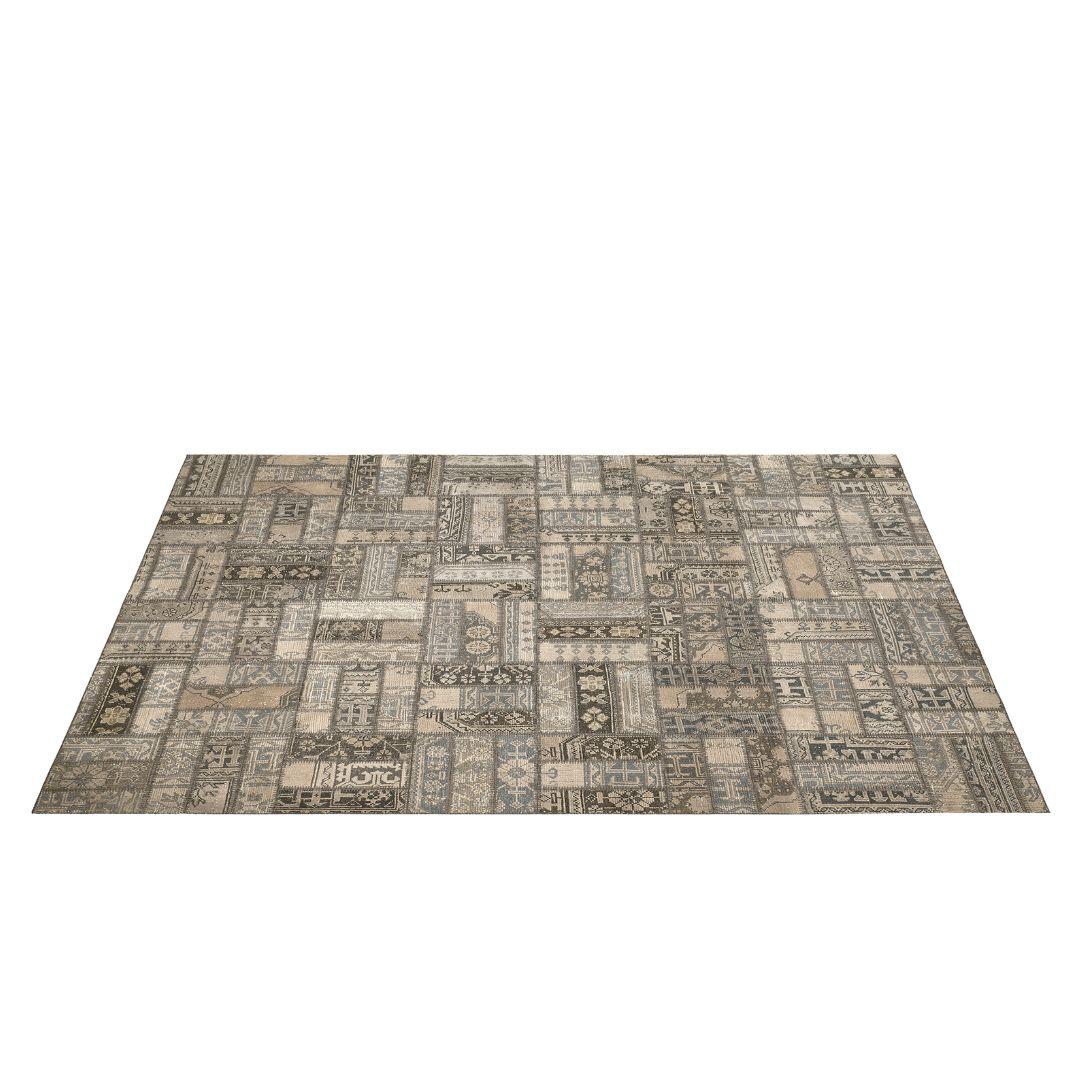
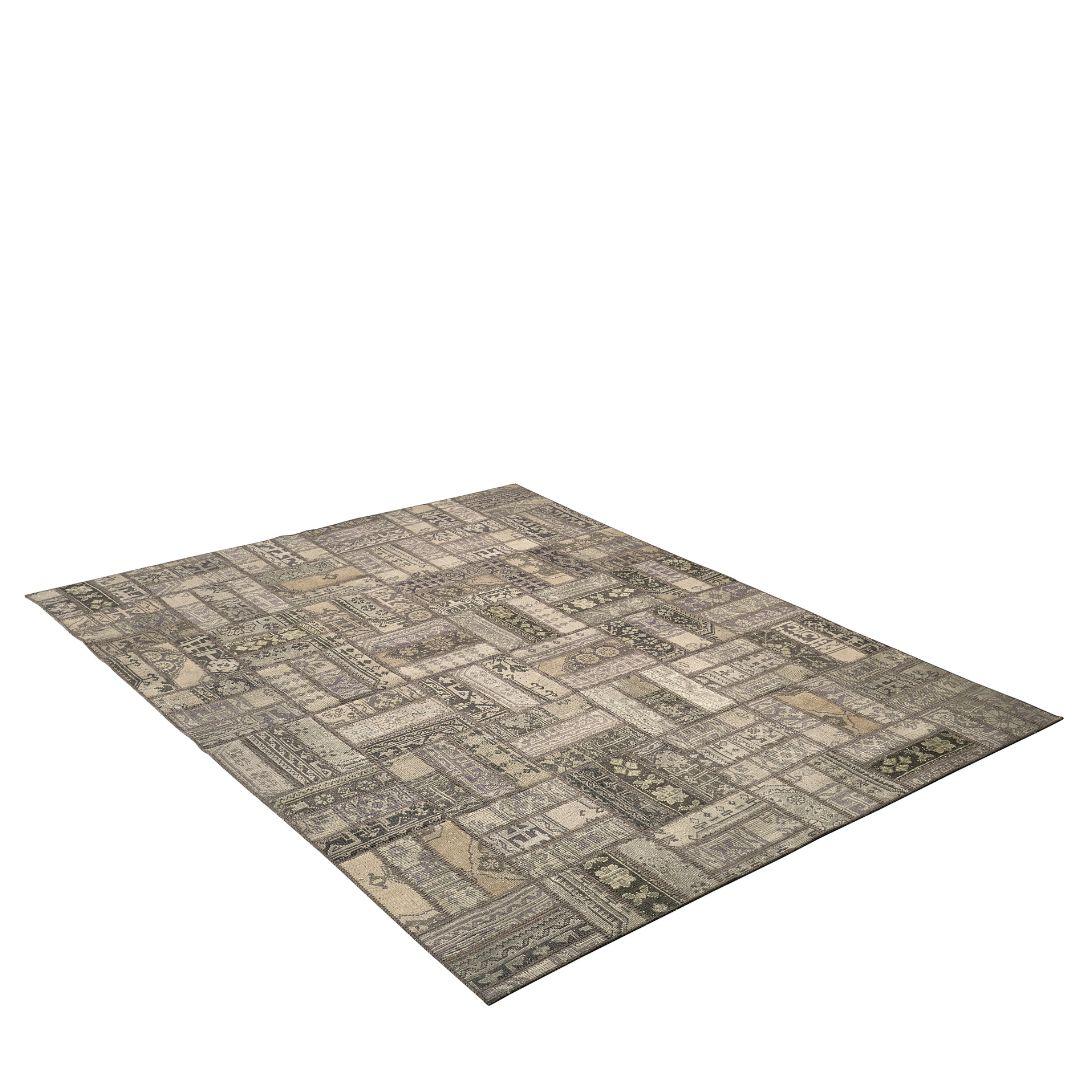
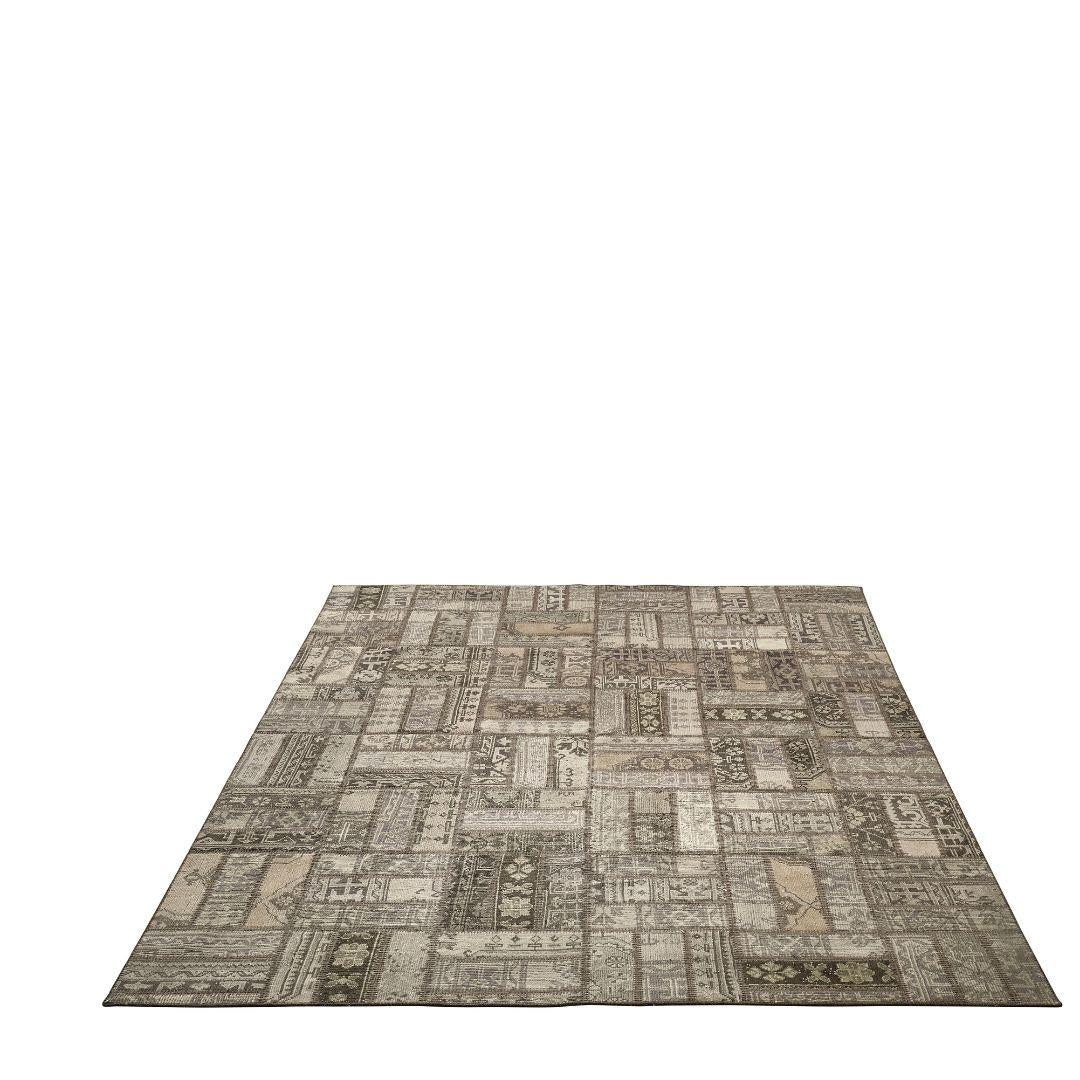
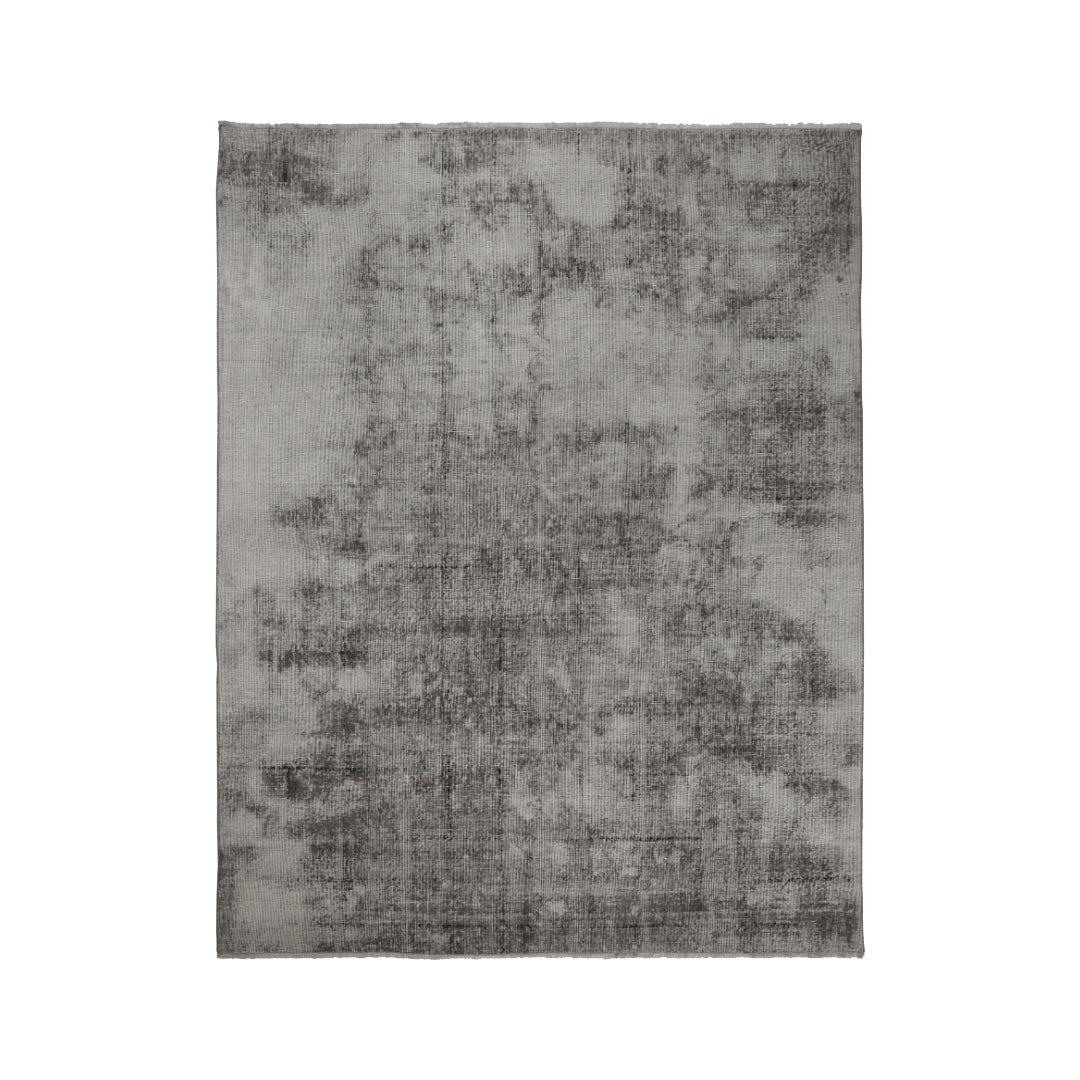
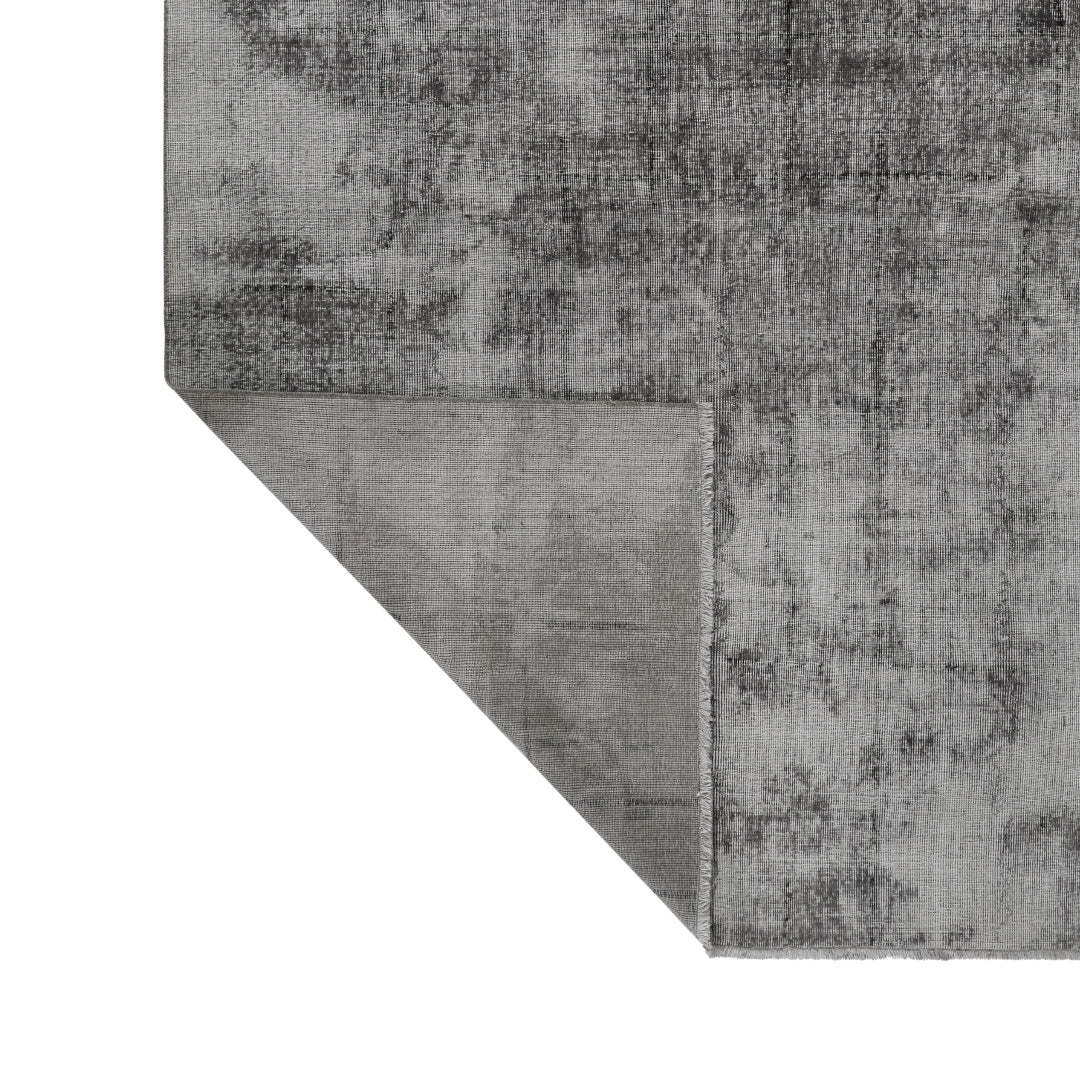
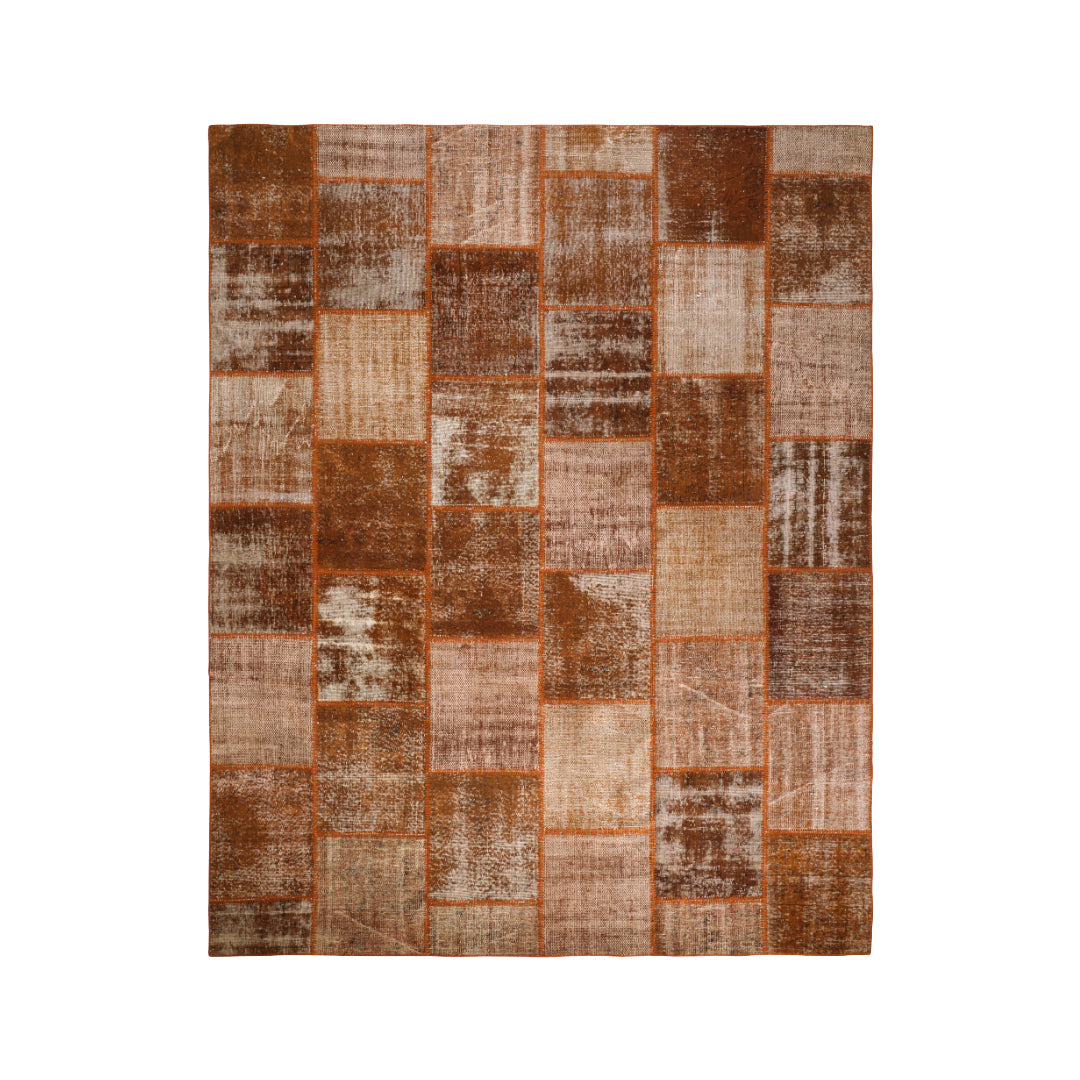
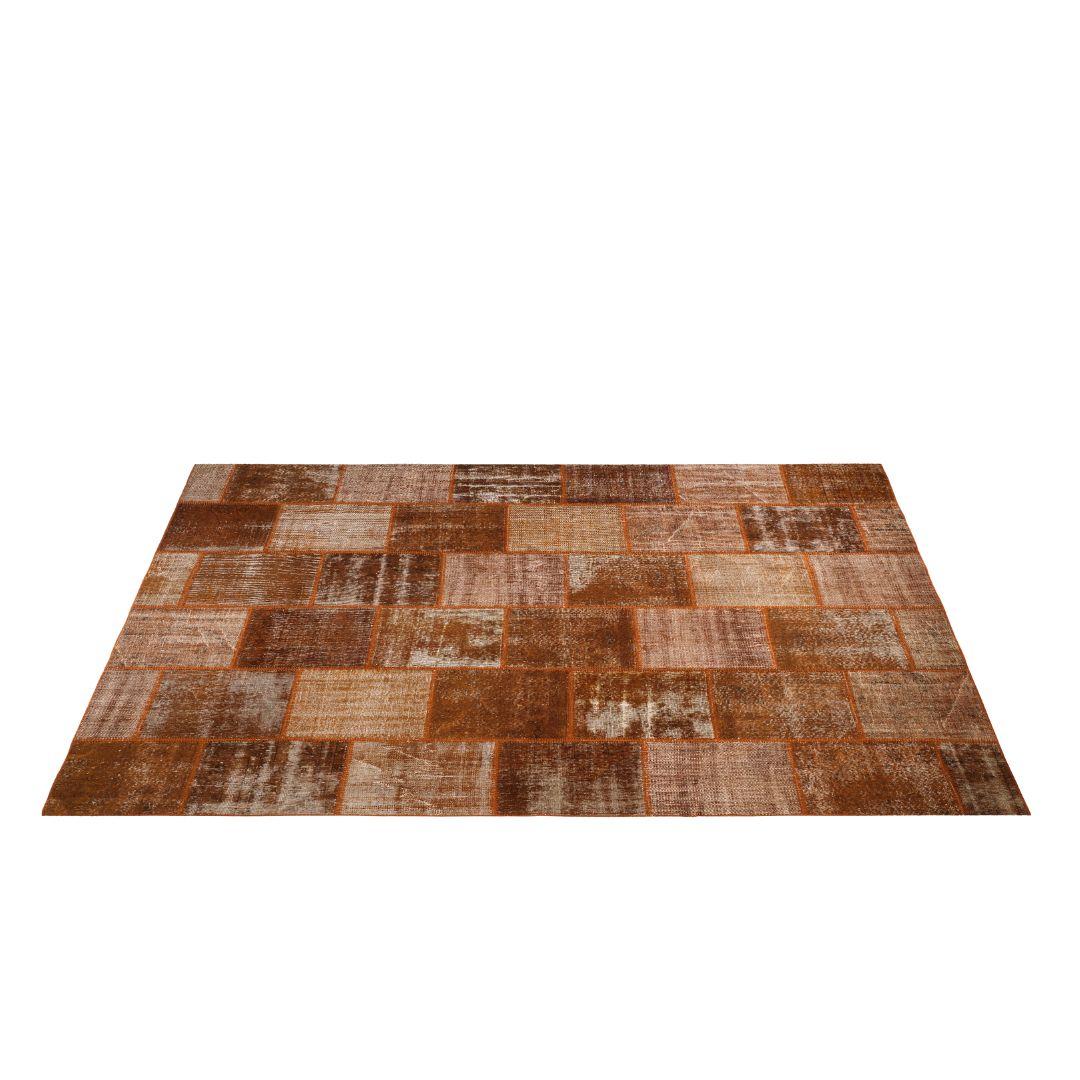
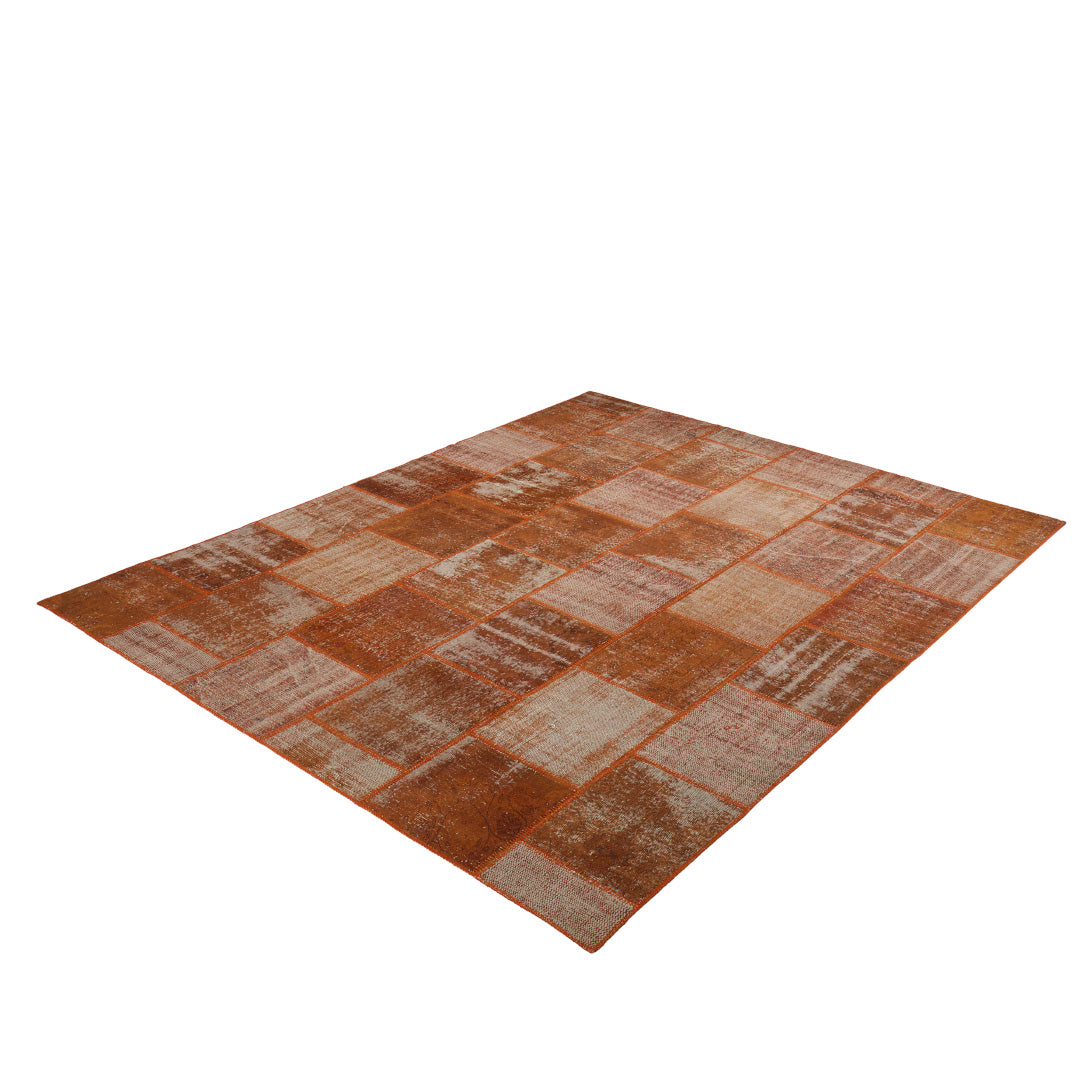
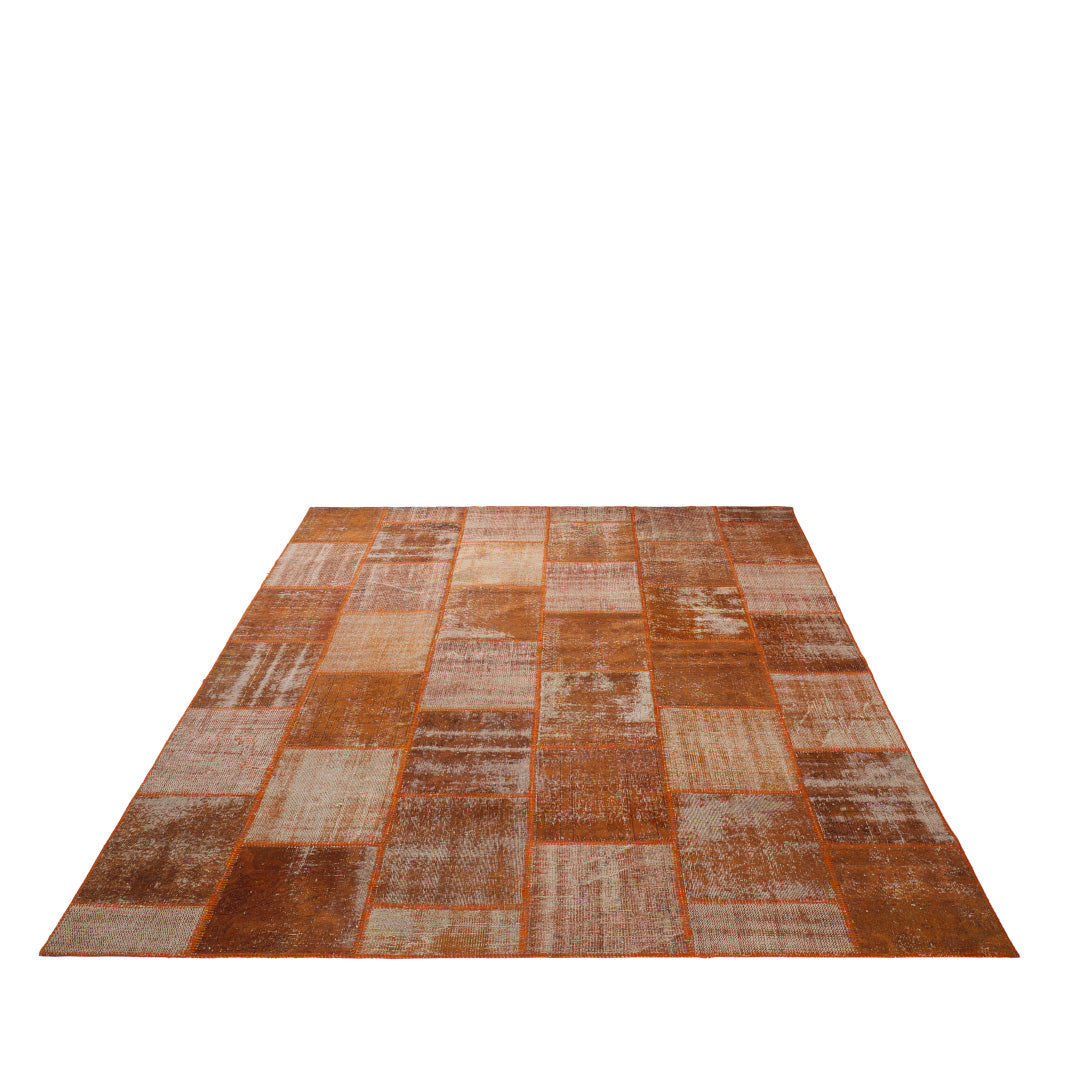
Yes, this rug is a genuine vintage piece, crafted from reclaimed Turkish rug fragments and repurposed into a one-of-a-kind patchwork design.
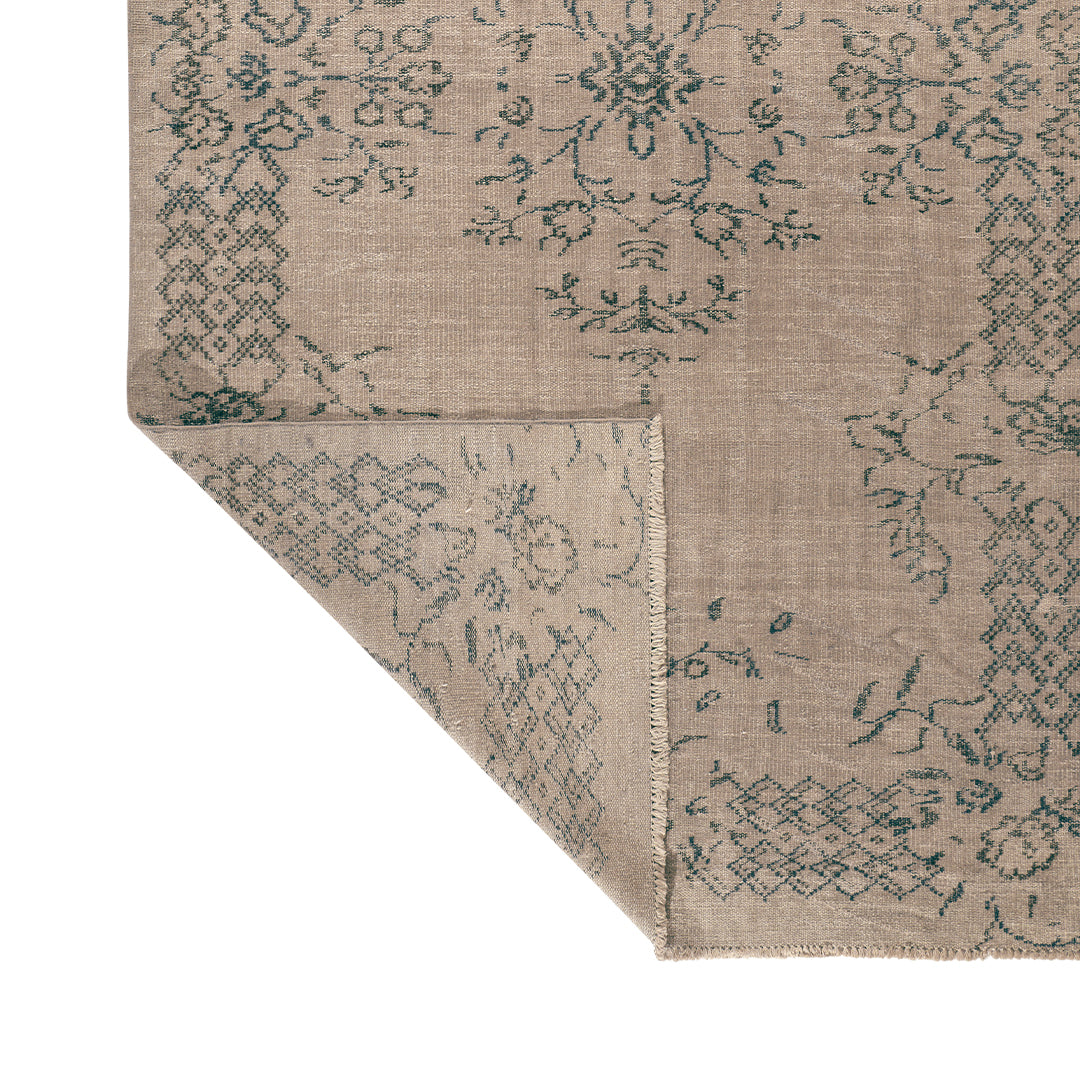
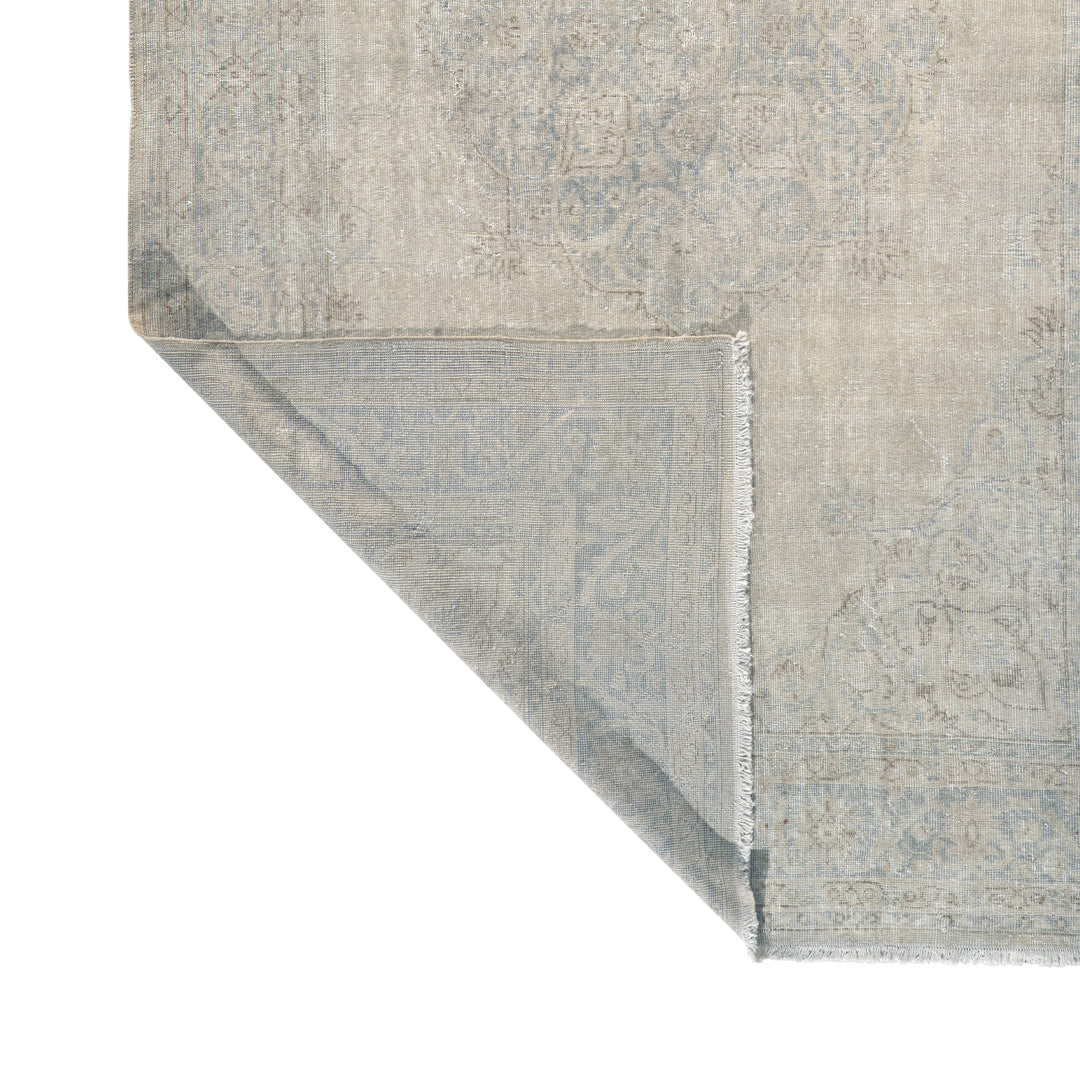
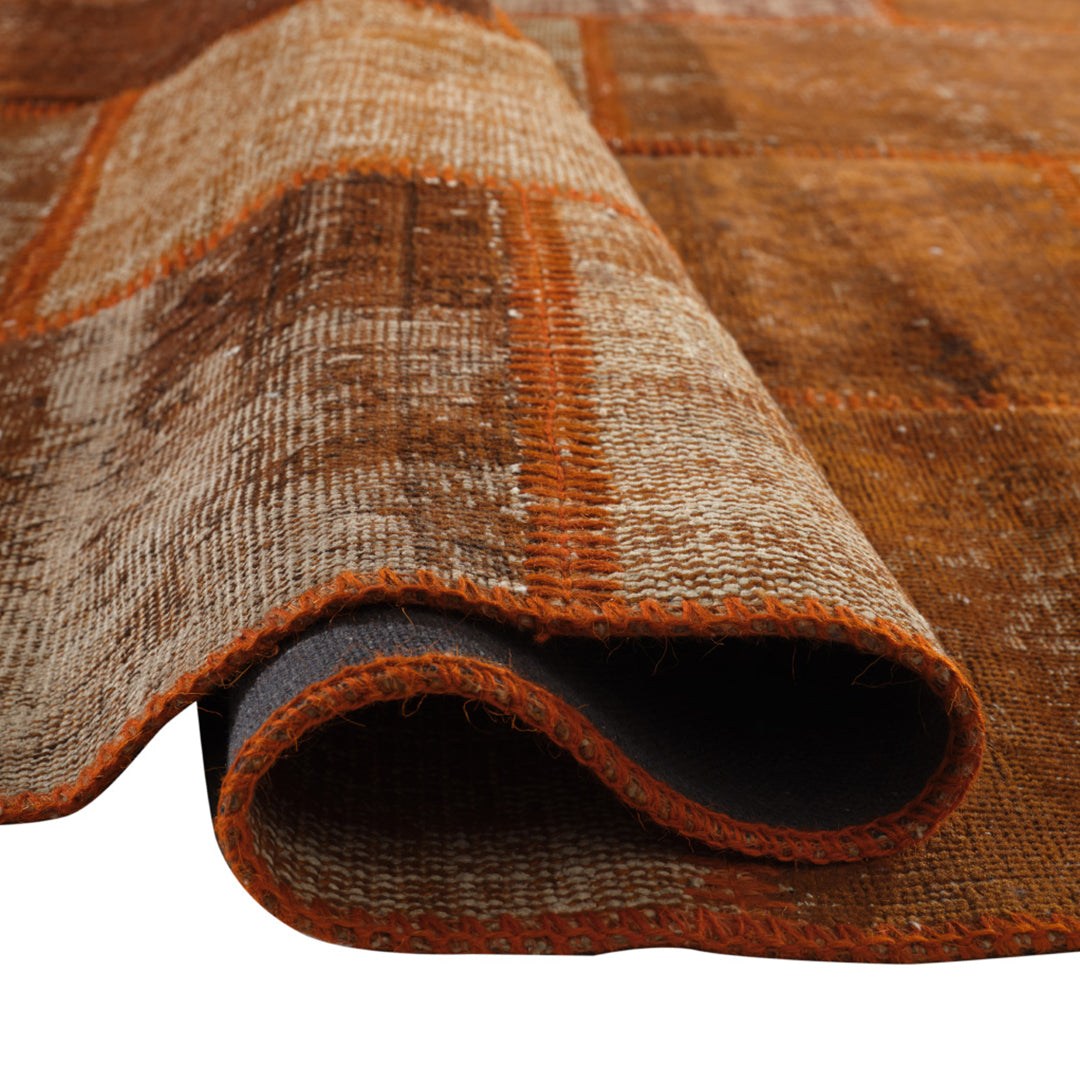
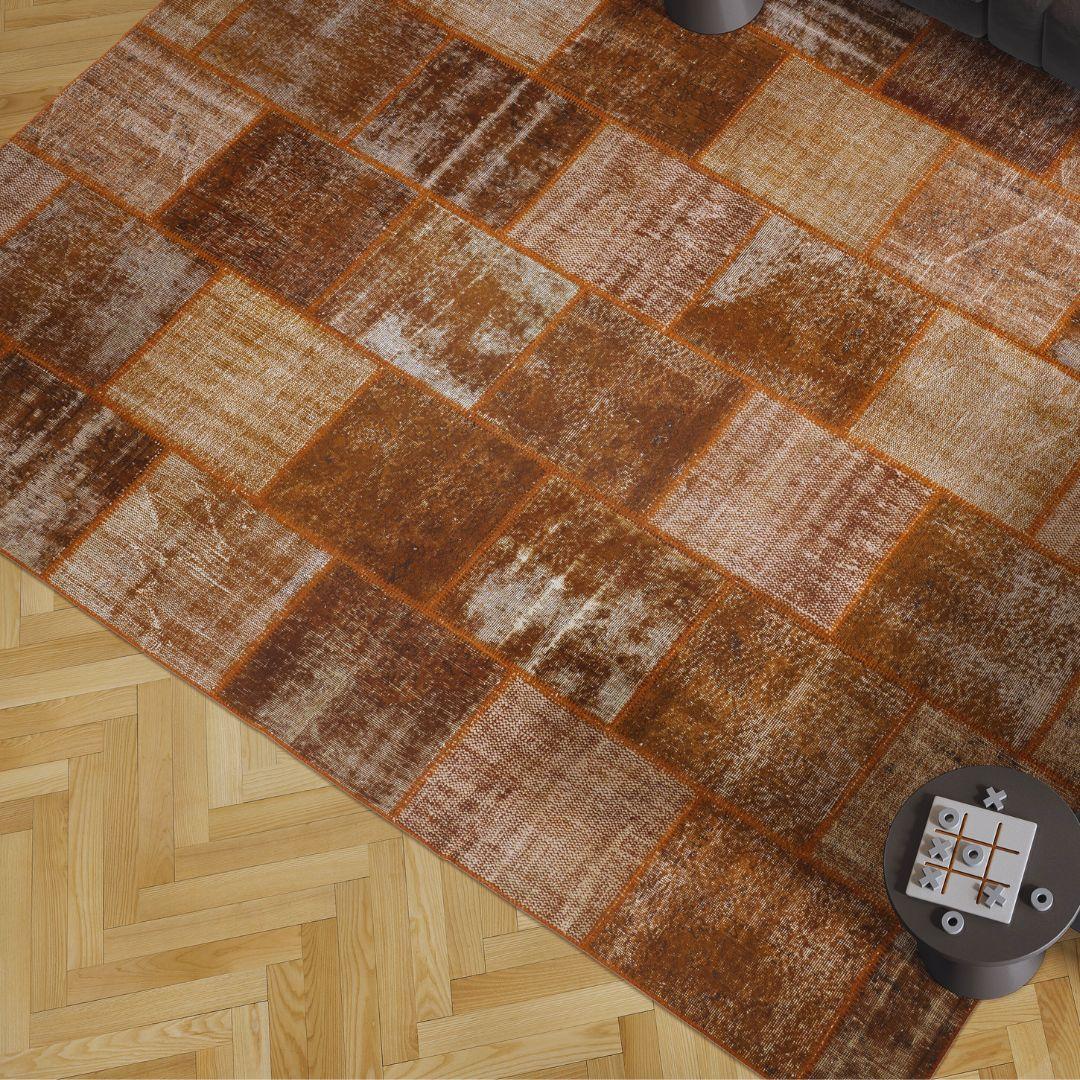
"Distressed" refers to the intentional aging process that highlights the rug's worn texture and faded color palette, giving it a charming, timeworn appeal.
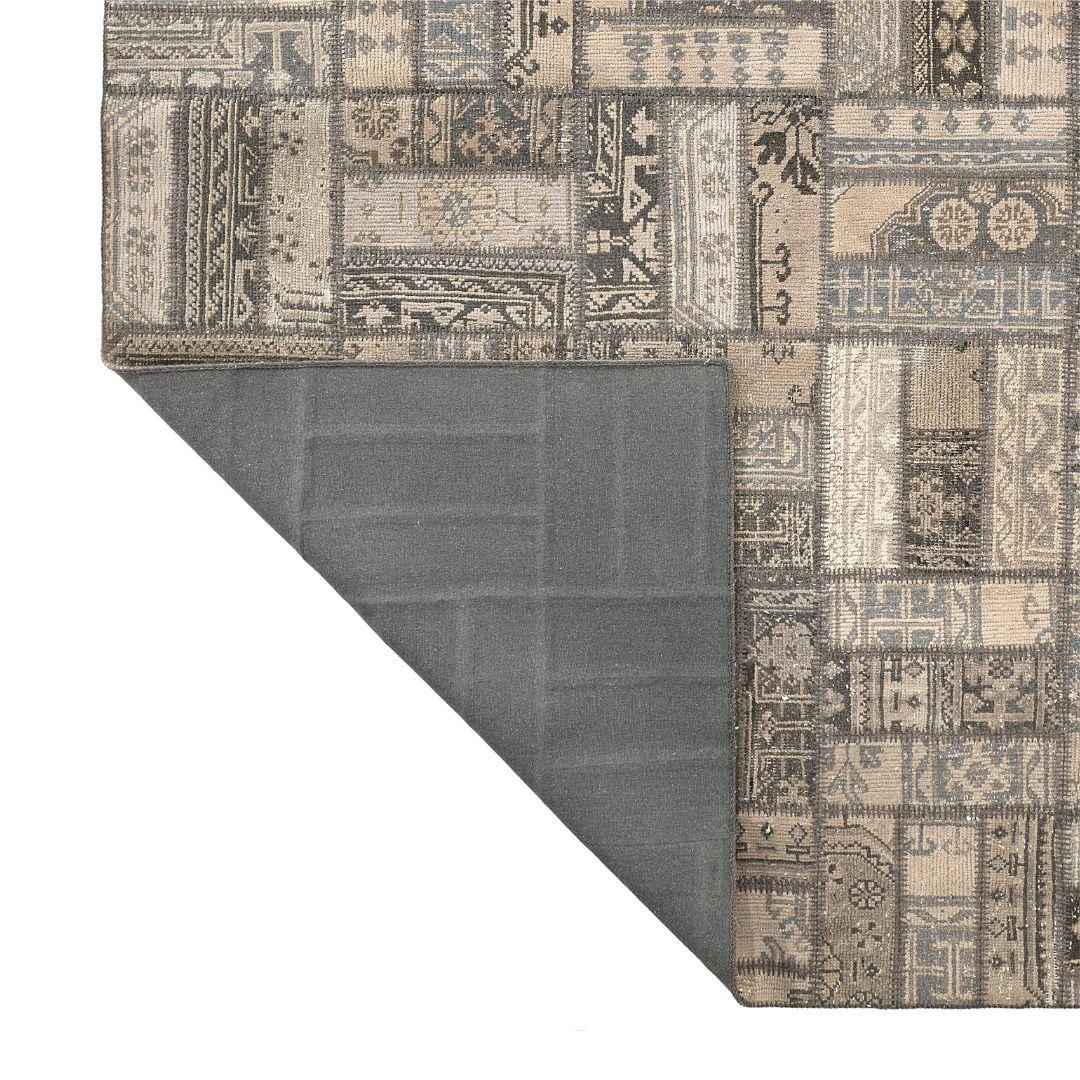
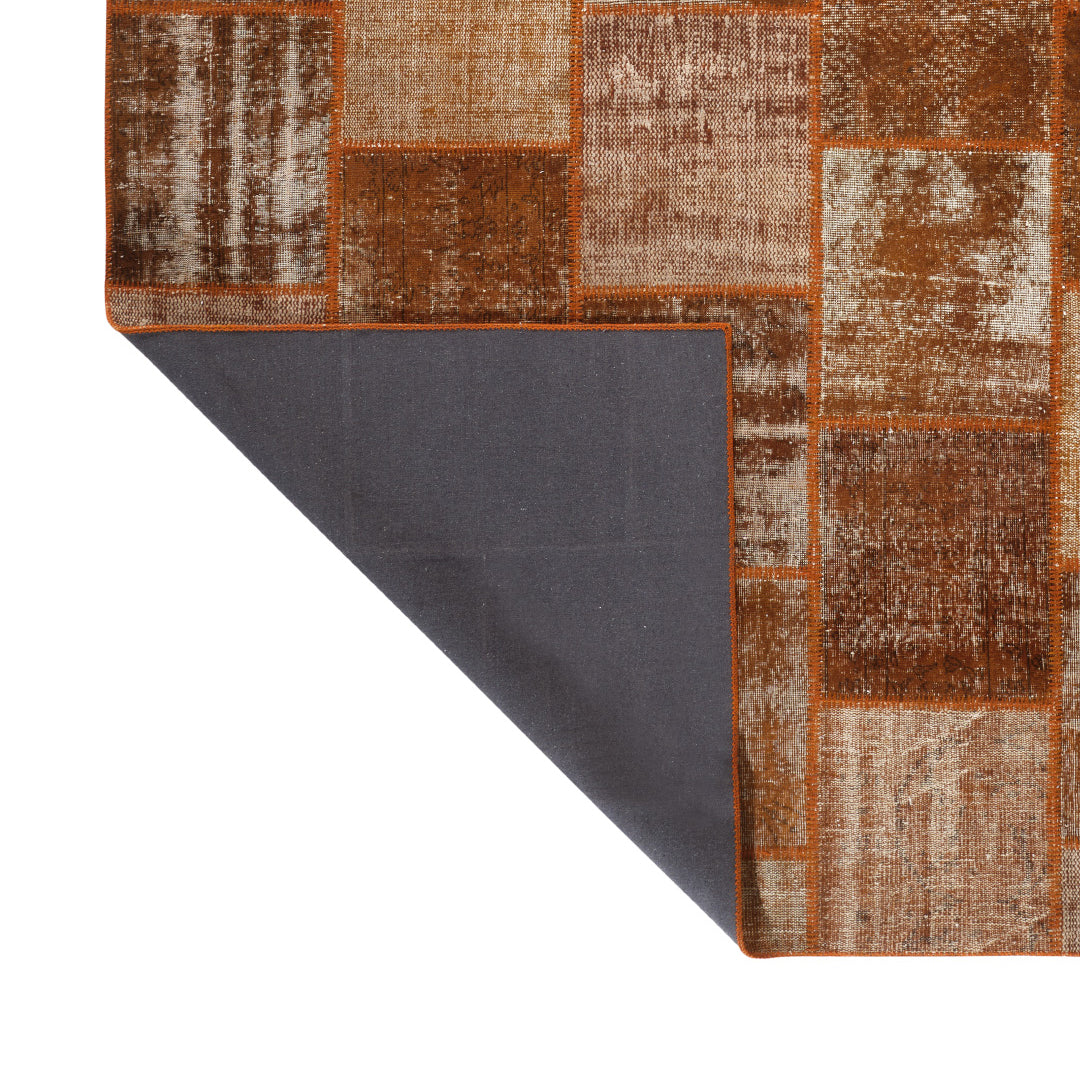
Yes, it is handmade using traditional techniques and features a unique patchwork assembly of vintage Turkish rug segments.
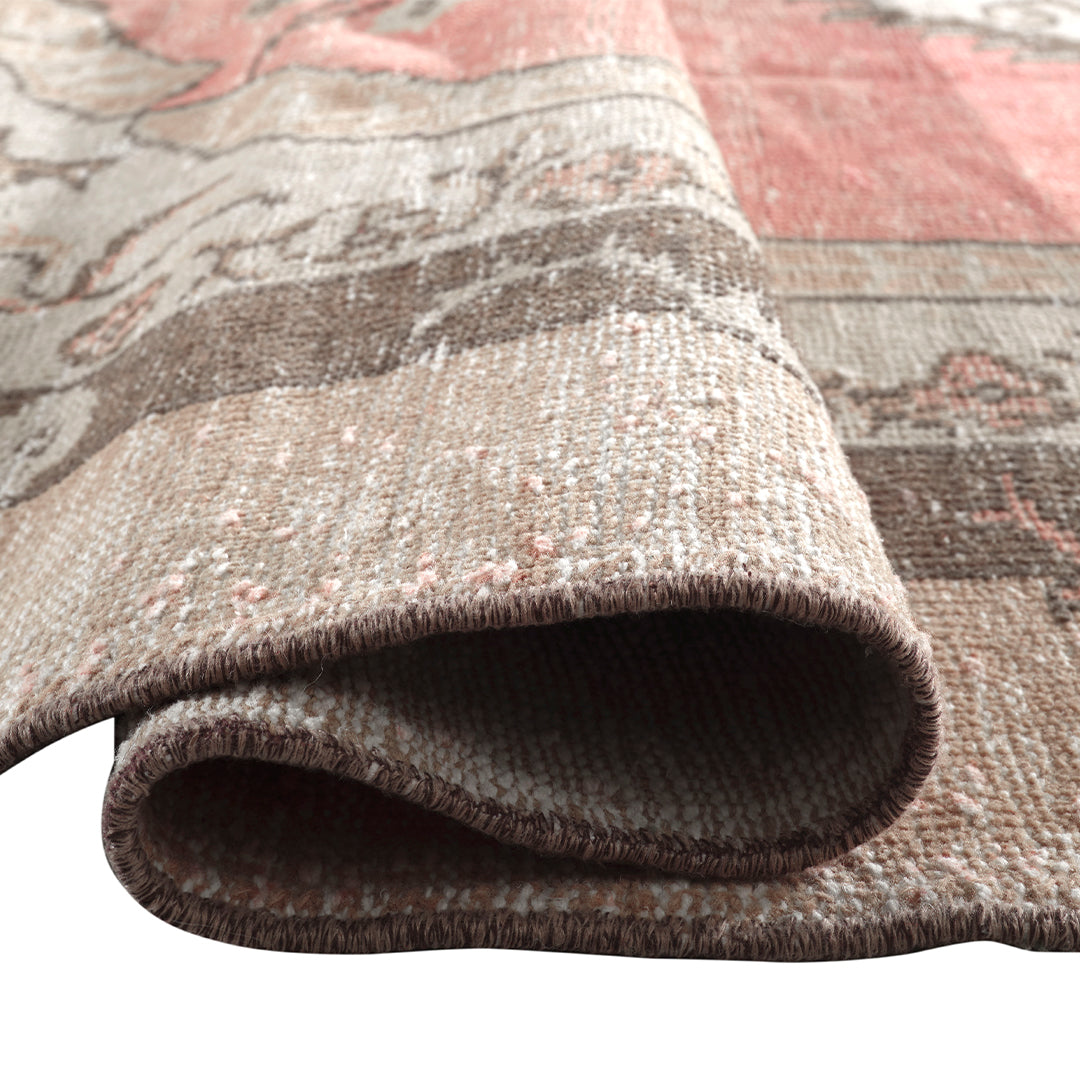
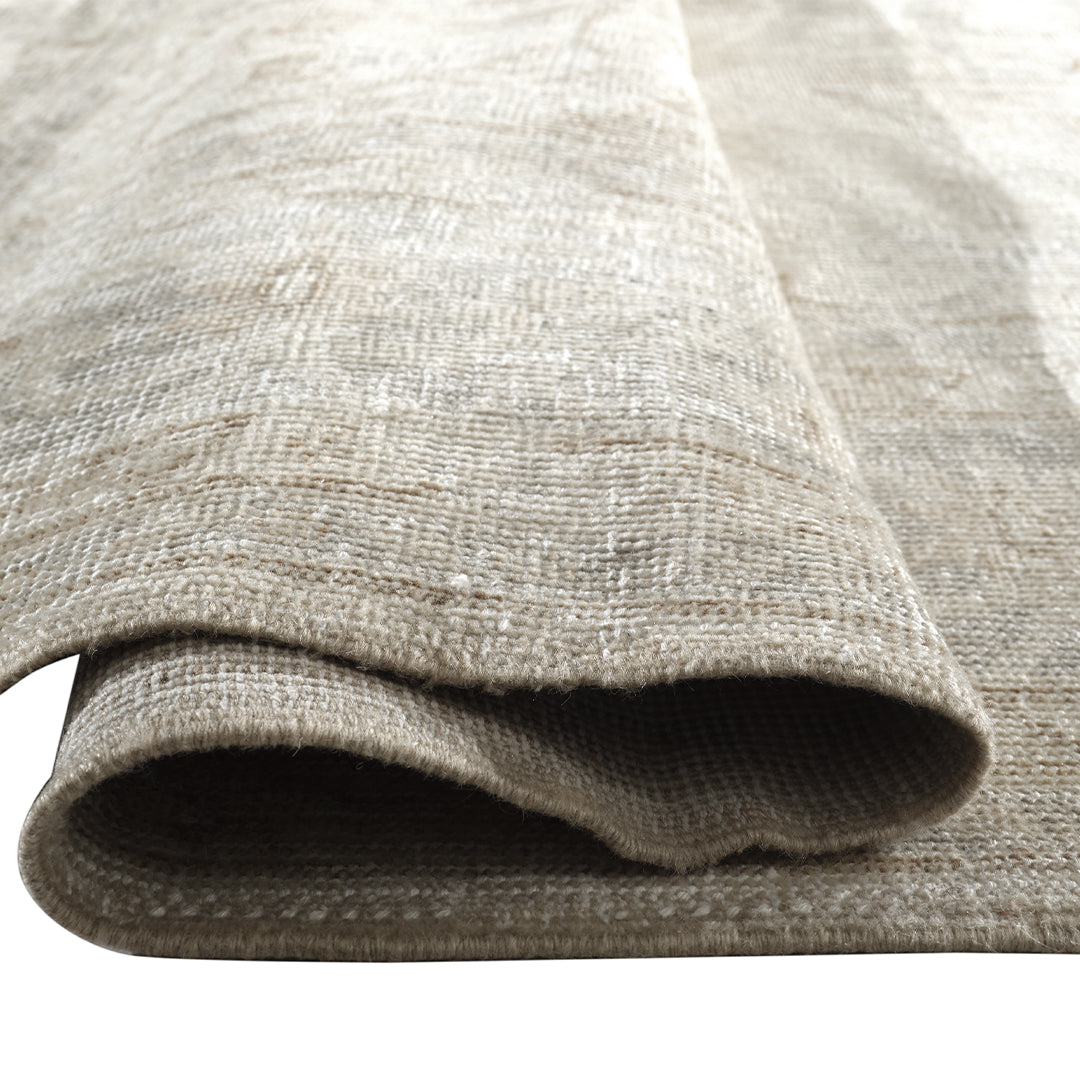
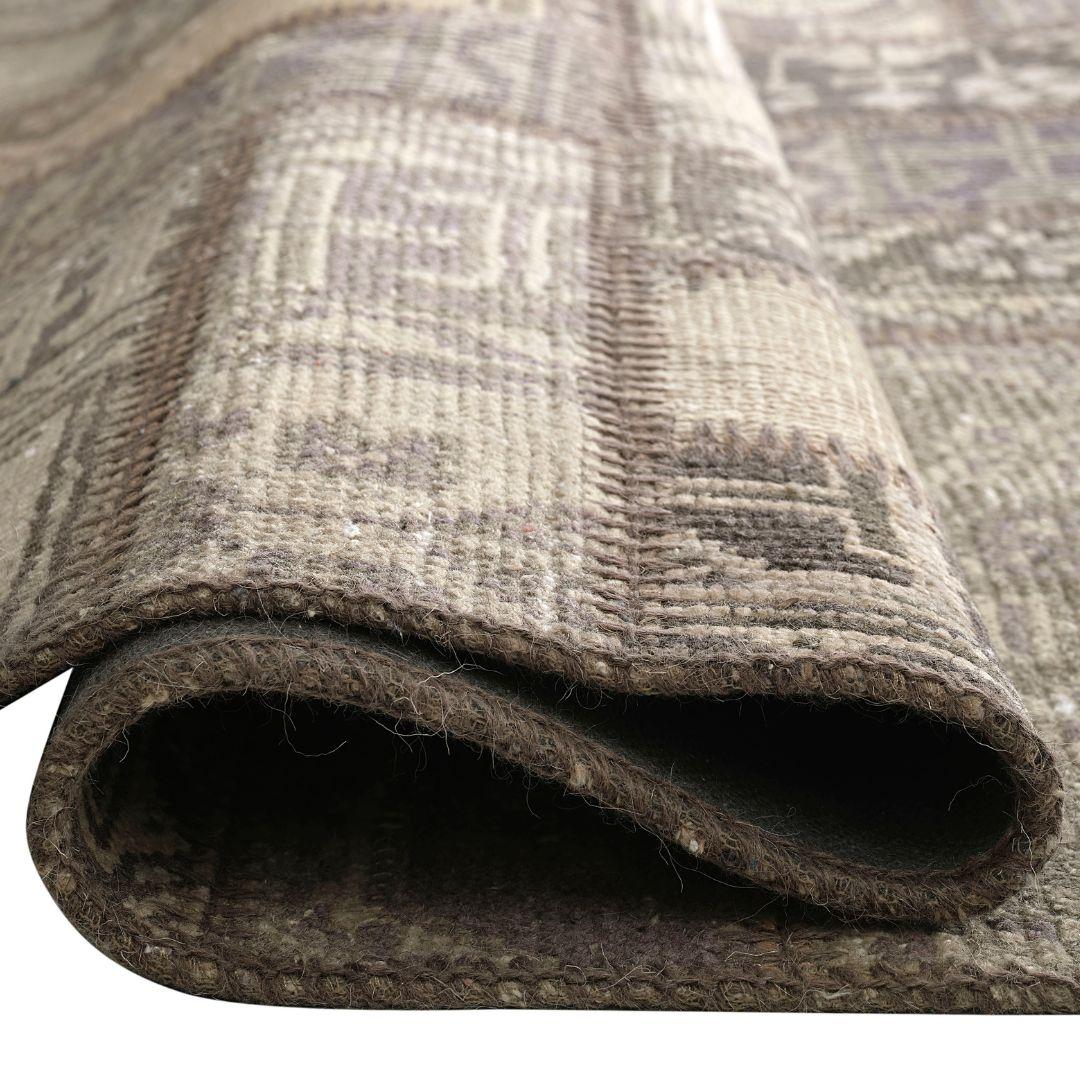
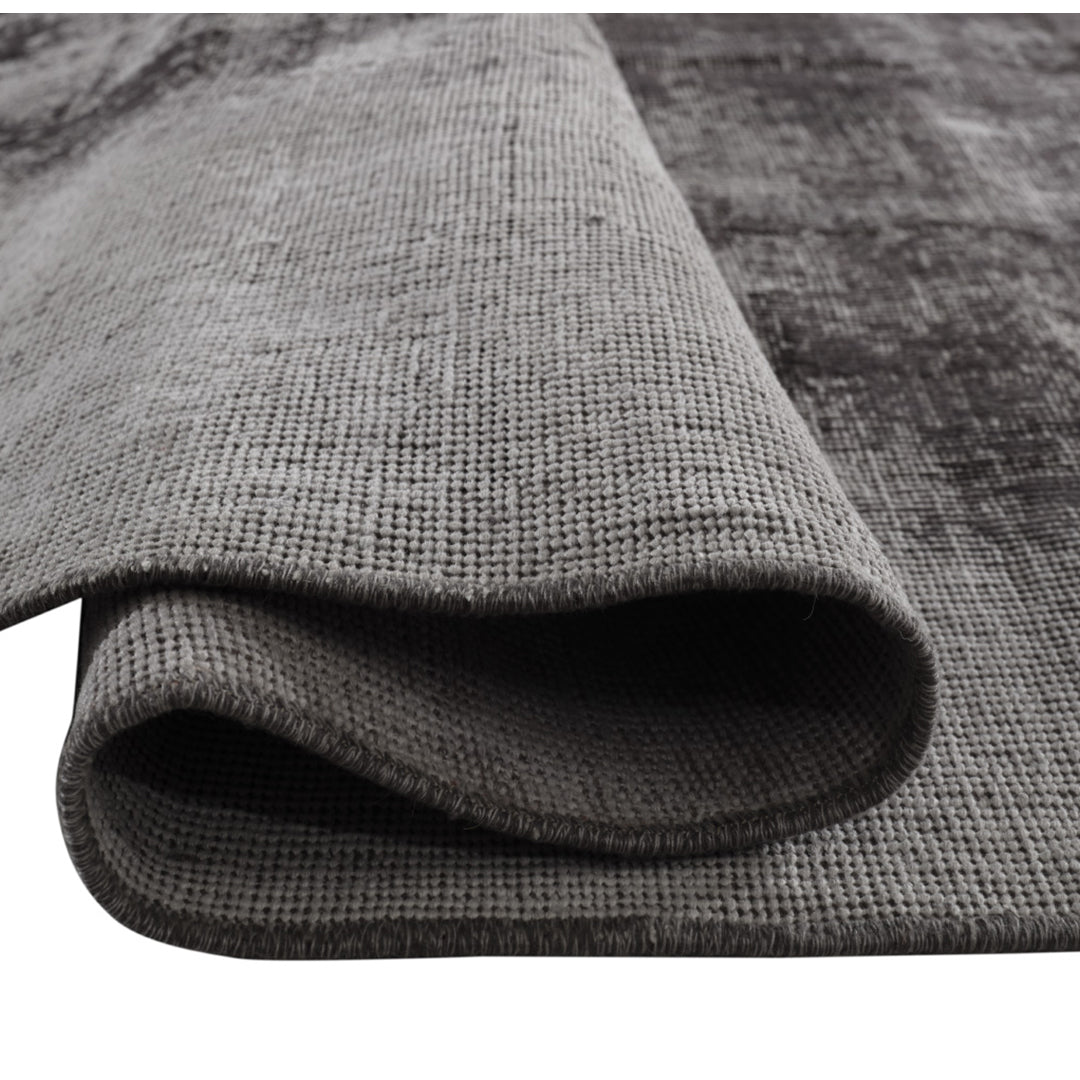
The rug is primarily made from wool and cotton, which are common in traditional Turkish weaving and ensure durability and softness.
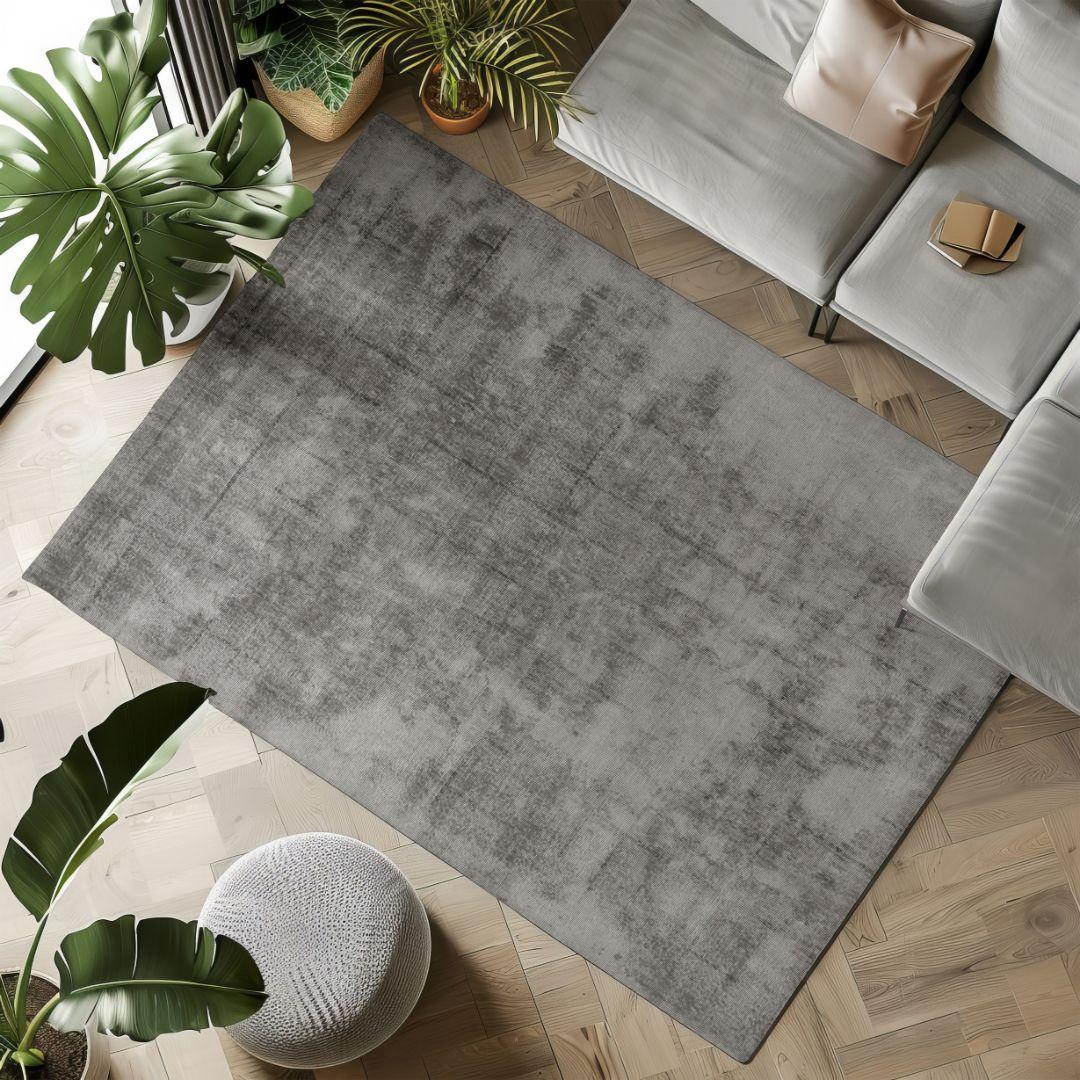
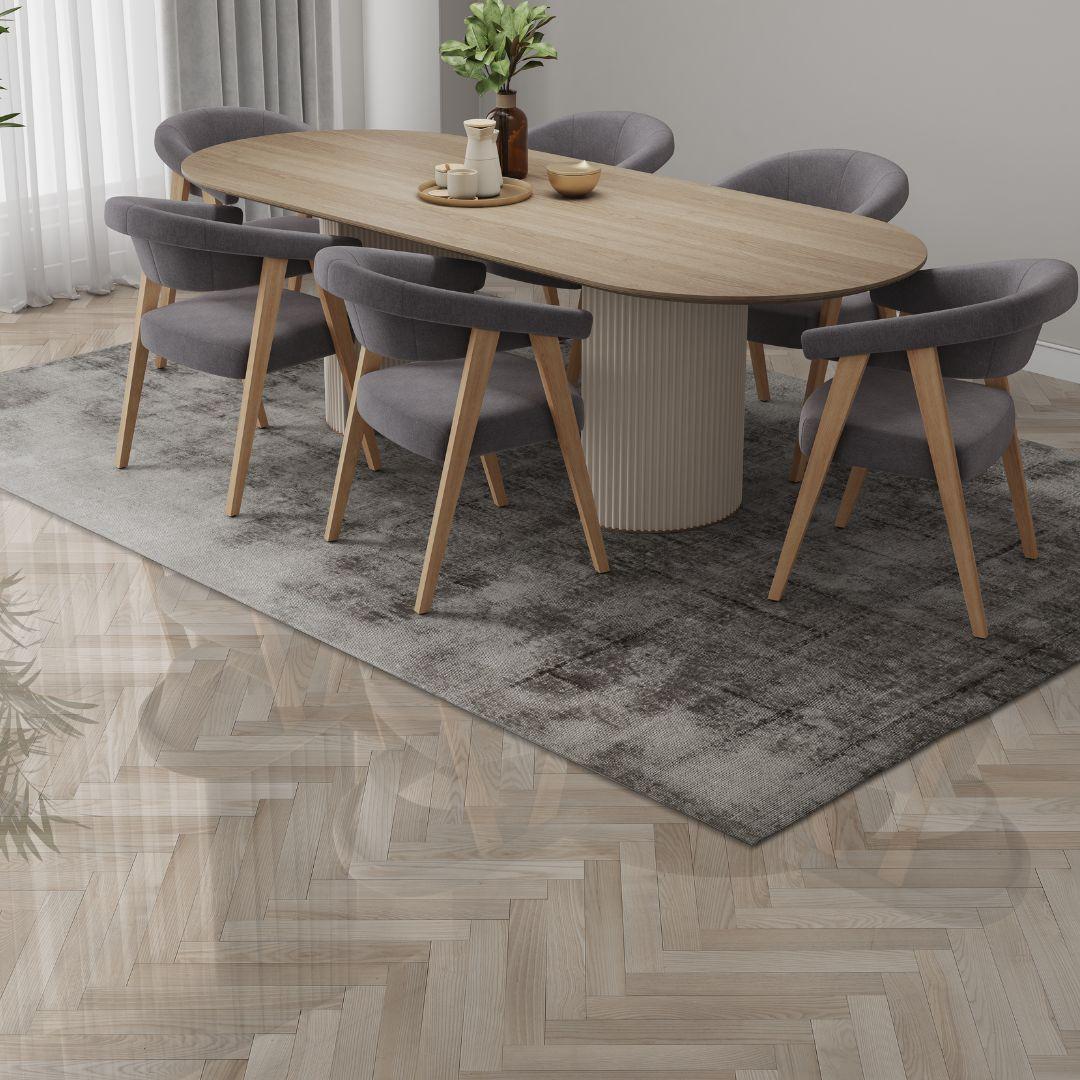
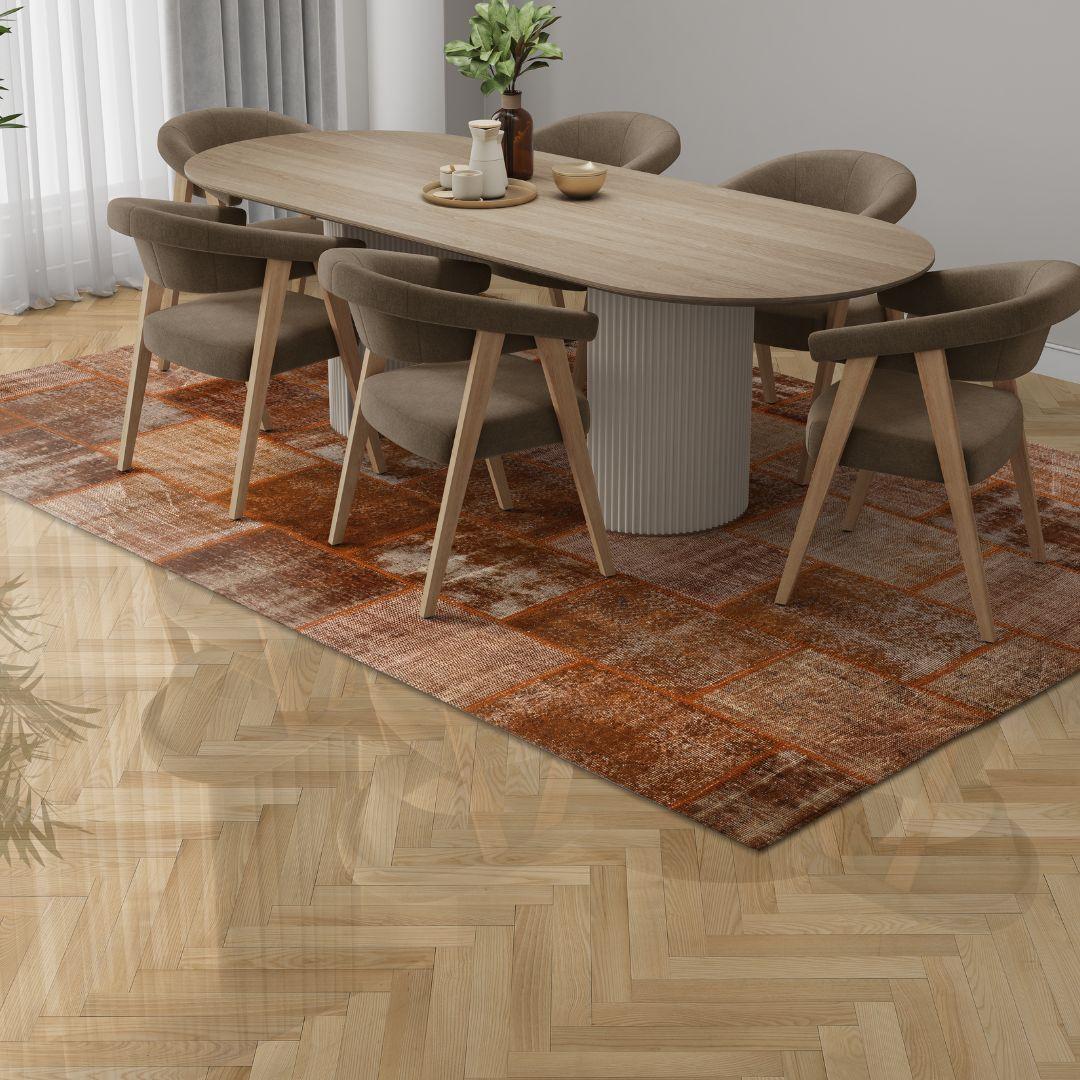
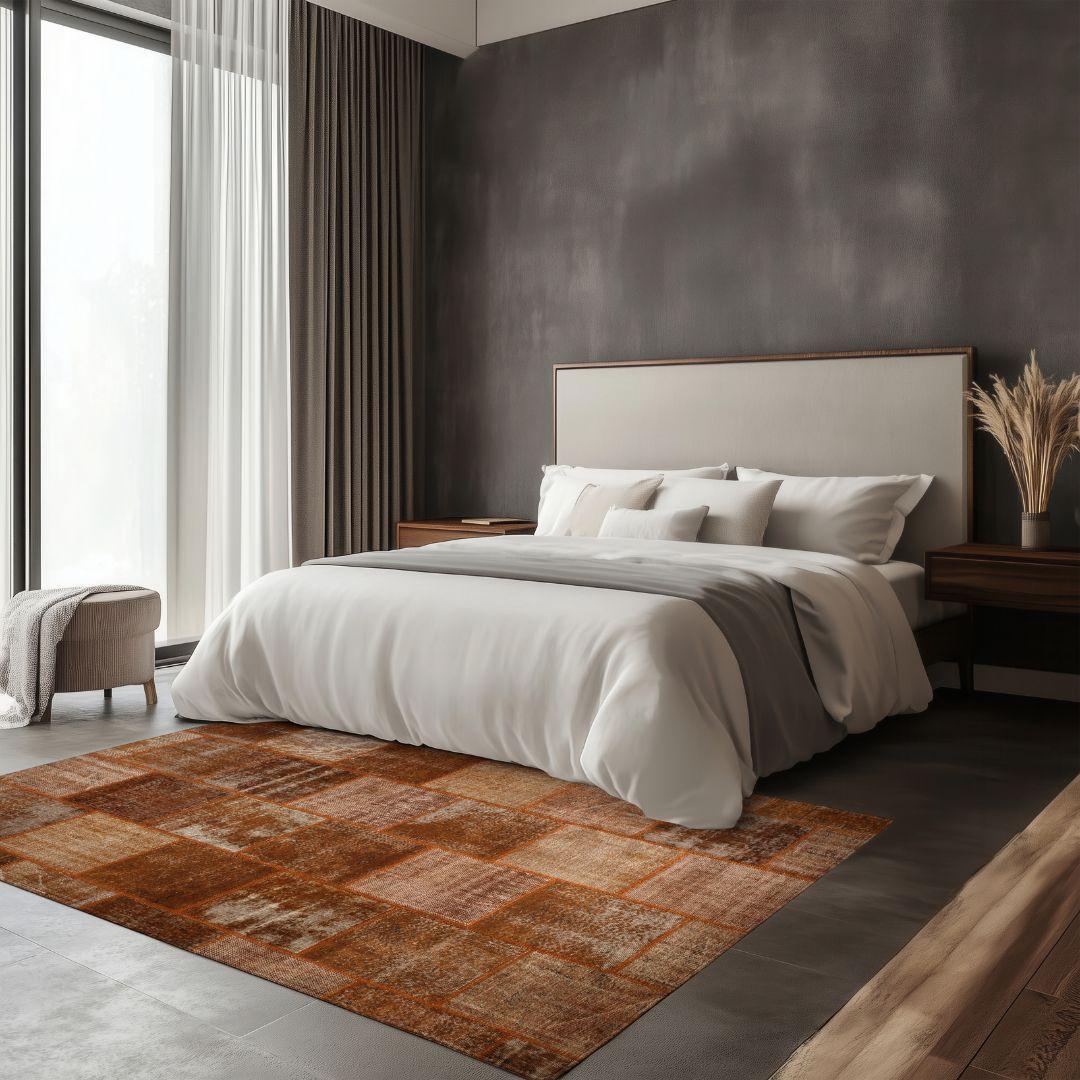
This rug measures 8x10 feet, making it a suitable choice for medium to large spaces such as living rooms or dining areas.
Regular vacuuming without a beater bar is recommended. Professional cleaning is advised for deeper maintenance. Avoid using water or harsh chemicals.
While the images aim to be as accurate as possible, slight color differences may appear due to lighting or monitor settings.
It has a cotton backing for structure, but a rug pad is recommended to prevent slipping and provide added cushioning.
Yes, Arconiz allows returns within the specified window. Please refer to the return policy on the website for more details.
Since each rug is one-of-a-kind, identical replacements are unlikely. However, similar styles and colors may be available in future collections.