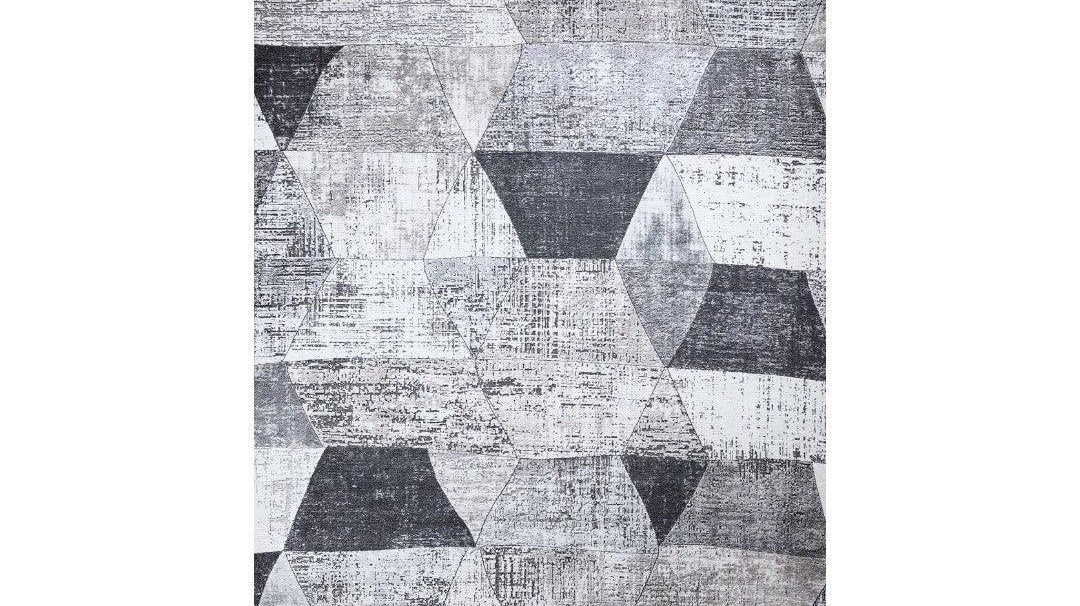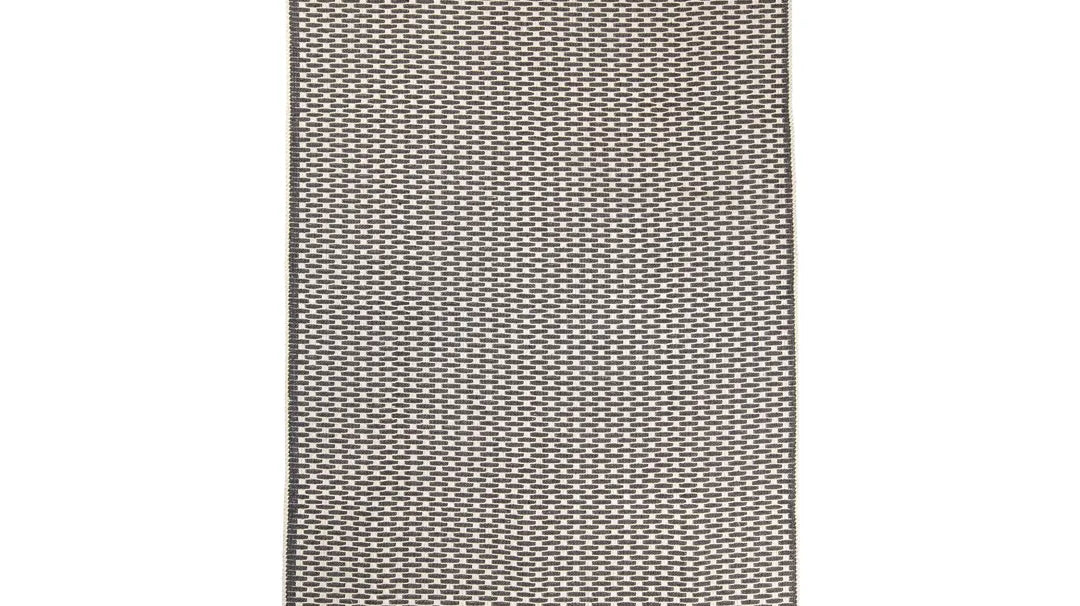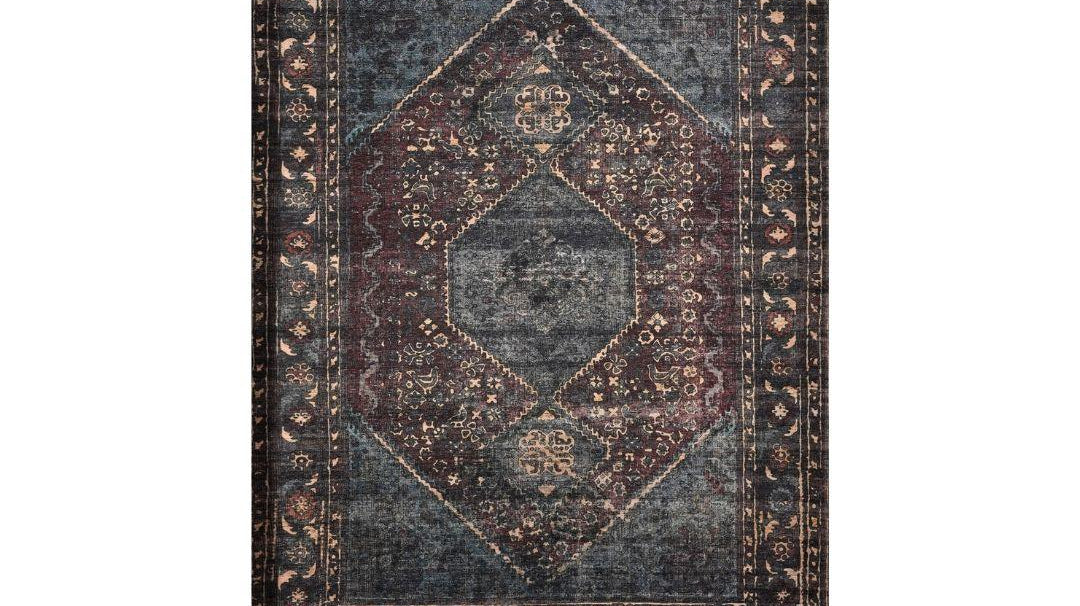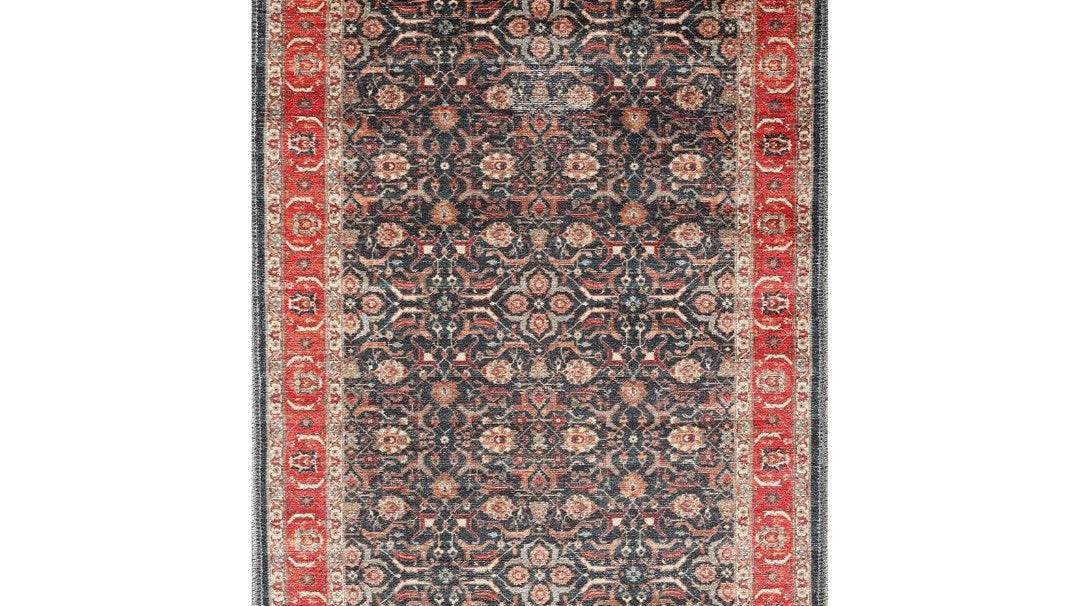

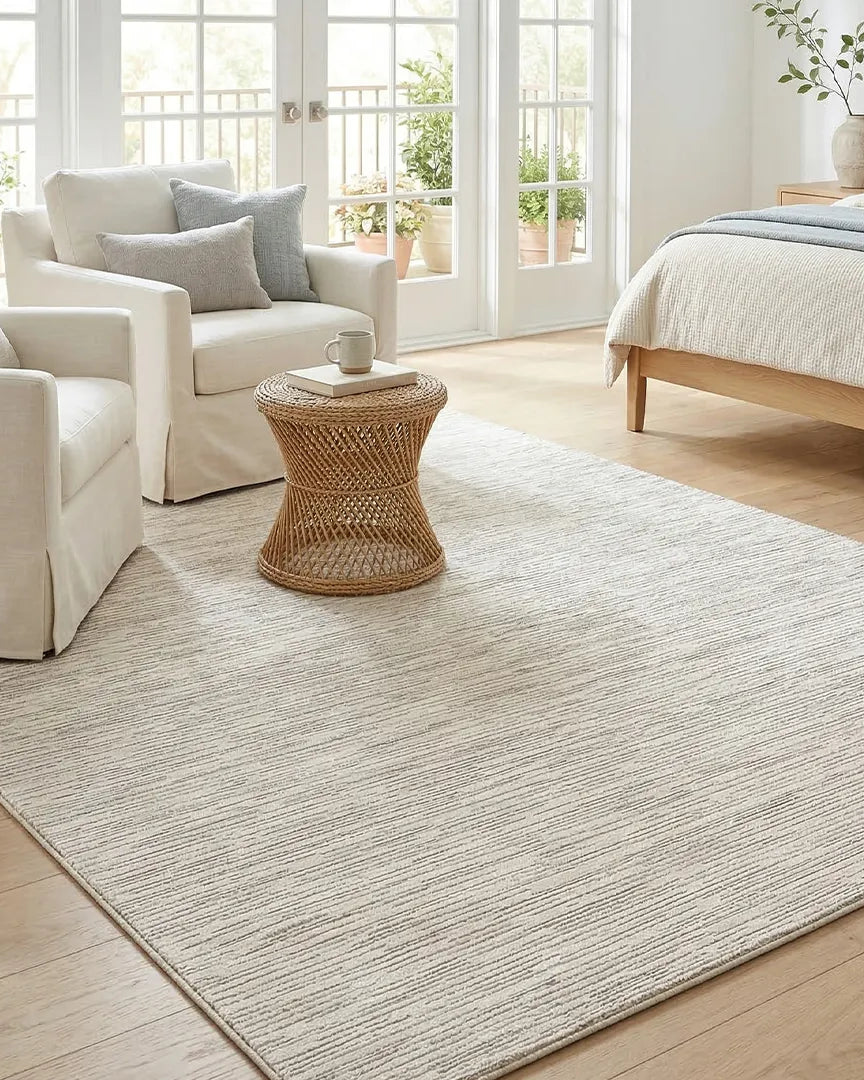



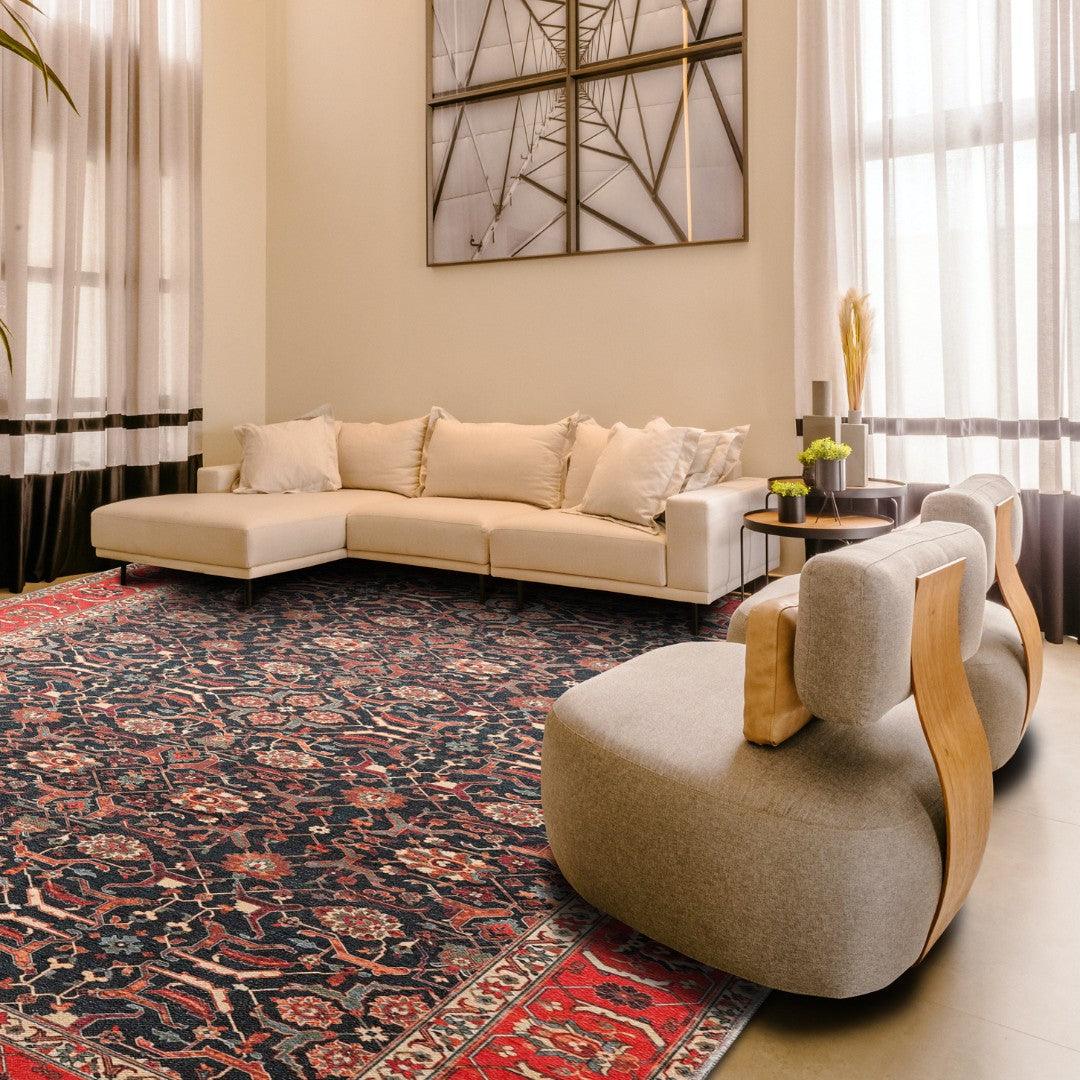


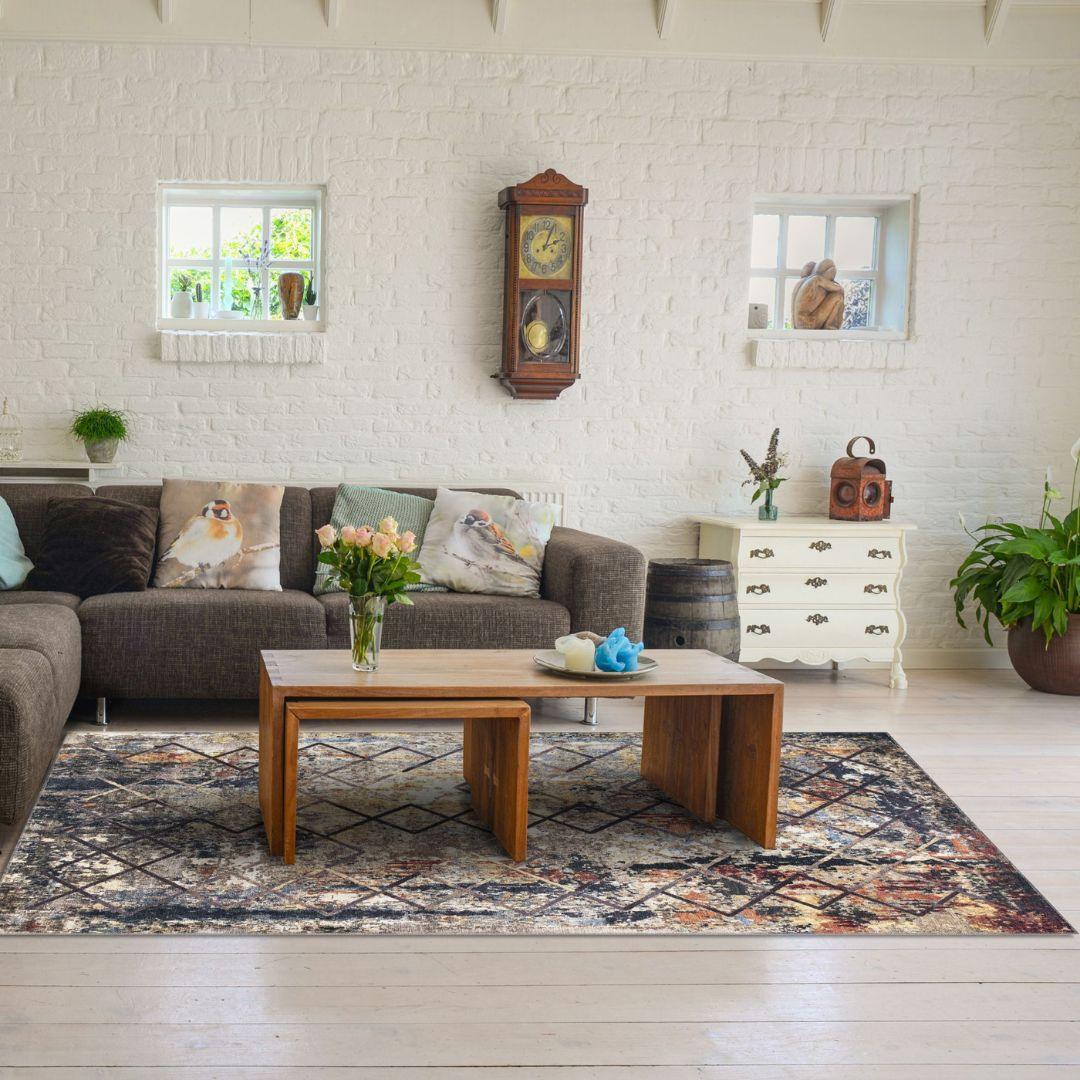


Washable rugs are a better choice than traditional rugs for allergy sufferers, because you can physically remove the dust, pet dander and pollen a normal rug simply stores. Washing them regularly is what makes the difference — a washable rug you never wash offers no advantage at all.
Why rugs and allergies collide
A rug is a large horizontal surface with a textured top, which makes it very good at catching things out of the air and holding onto them. Three things build up in one.
Dust mites. Microscopic, harmless in themselves, and a common trigger. They feed on the skin flakes we shed constantly and prefer warm, humid conditions. It is their waste particles, not the mites, that cause reactions.
Pet dander. Tiny flakes of skin from cats and dogs, light enough to stay airborne and sticky enough to settle deep into a pile.
Pollen and outdoor dust. Walked in on shoes and carried in on clothing, then released back into the air every time someone crosses the room.
Vacuuming lifts the top layer. It does not reach what has worked its way to the base of the pile, and it does nothing at all for what has settled underneath the rug.

What washable rugs do differently
The advantage is straightforward: removal instead of management. Once a month you take the rug off the floor, put it through a wash, and the accumulated allergen load leaves the house with the waste water.
| Floor covering | Allergen removal | Practical downside |
|---|---|---|
| Bare hard floor | Best — nothing to trap | Dust stays airborne; cold and loud underfoot |
| Machine washable rug | Strong — full wash removes the load | Only works if you actually wash it |
| Traditional area rug | Limited — surface vacuuming only | Professional cleaning is costly and infrequent |
| Wall-to-wall carpet | Weakest — cannot be removed | Largest reservoir, hardest to clean deeply |
There is a second benefit people overlook. Because a washable rug can be cleaned properly, you are less likely to reach for harsh carpet chemicals and sprays, which are their own source of airway irritation.
The cold water catch, told honestly
You will read that hot water is needed to kill dust mites. That is true, and it is the standard advice for bedding. It also conflicts with how a washable rug must be laundered: cold water, because heat damages the pile and warps the non-slip backing.
The resolution is that killing mites is not the goal — removing them and their waste is. A cold wash with detergent and agitation flushes mites, dander and dust out of the fibers and down the drain regardless of temperature. A dead mite left sitting in the pile still triggers a reaction; a live one washed out of the house does not.
So wash cold, wash often, and add an extra rinse. Frequency does the work that heat would have done.
How to wash a rug for allergy control
- Vacuum both sides first. Top and underside, HEPA filter, suction only. A lot of the load is at the base of the pile and beneath the rug.
- Wash cold on gentle, alone. Nothing else in the drum, so the rug can tumble and the water can move through it.
- Use a mild, fragrance-free detergent. Skip fragranced products and fabric softener — both leave residues that can irritate sensitive airways.
- Add an extra rinse. This flushes out what the wash loosened instead of leaving it in the pile.
- Dry it completely. Flat, and bone dry before it goes back down. Residual damp invites mold and mildew, which are allergens themselves.
- Keep to a schedule. Monthly through allergy season for bedrooms and busy rooms, with weekly vacuuming in between.

Pile height matters more than people expect
If allergies are your main reason for buying, the construction of the rug matters as much as the fact it is washable.
A deep shag has enormous surface area and a lot of depth for particles to fall into, and it takes a long time to dry properly. A low, flat weave has neither problem. There is less room for dust to hide, vacuuming actually reaches the bottom of the pile, and the rug dries quickly and evenly after washing.
Bedrooms deserve the most attention, since that is where people spend the most consecutive hours. A washable runner beside the bed is easier to keep on a strict monthly schedule than a large rug that takes effort to move.
What a washable rug will not do
We would rather be straight with you than oversell this. A washable rug is not an air purifier and it is not a medical device. It reduces one reservoir of allergens in one room, and it does that well, but it will not resolve an allergy on its own.
It also only helps if you use it as intended. A washable rug left unwashed for two years is simply a rug. And for severe allergies, bare hard flooring in the bedroom remains the strongest option — a washable rug is the practical middle ground for people who want a warm, quiet floor without giving up on cleaning it properly.
If allergies or asthma are affecting your daily life, talk to a doctor or an allergist about a full plan. Household changes are one part of it, not the whole thing.

How we build ours
Our rugs come direct from the Turkish mills that weave them, with no importer in between. They are made with a low, dense recycled-fiber pile and a non-slip backing — a construction chosen for traffic and washability, which happens to be the same construction that suits an allergy-conscious home: shallow, quick-drying and genuinely machine washable at the sizes most people need.
You can see the whole range in our machine washable rug collection. If pets are part of the picture, the best washable rugs for pets covers dander and accidents in more detail, and are machine washable rugs worth it gives the wider pros and cons. Before you buy, it is worth checking what size washer you need for a washable rug — a monthly wash routine only works if the rug fits your machine.
Written by the Arconiz team — we source handwoven and machine washable rugs direct from Turkish manufacturers, and we test every product we sell in our own homes. This article is general information, not medical advice.