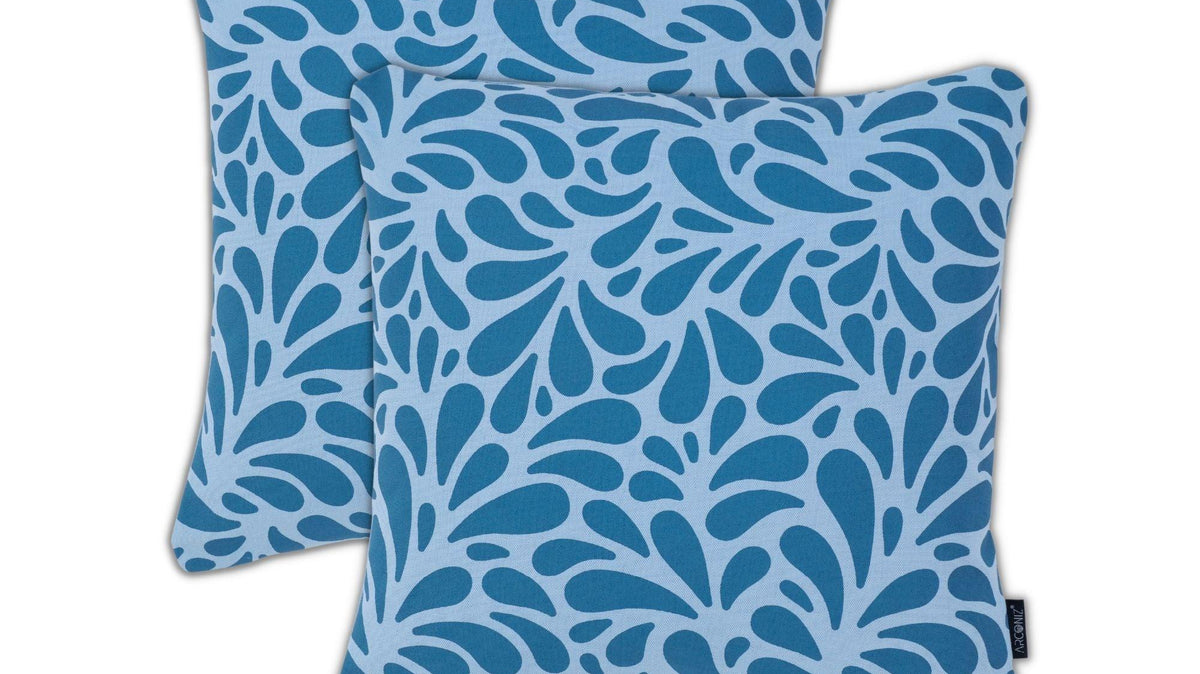







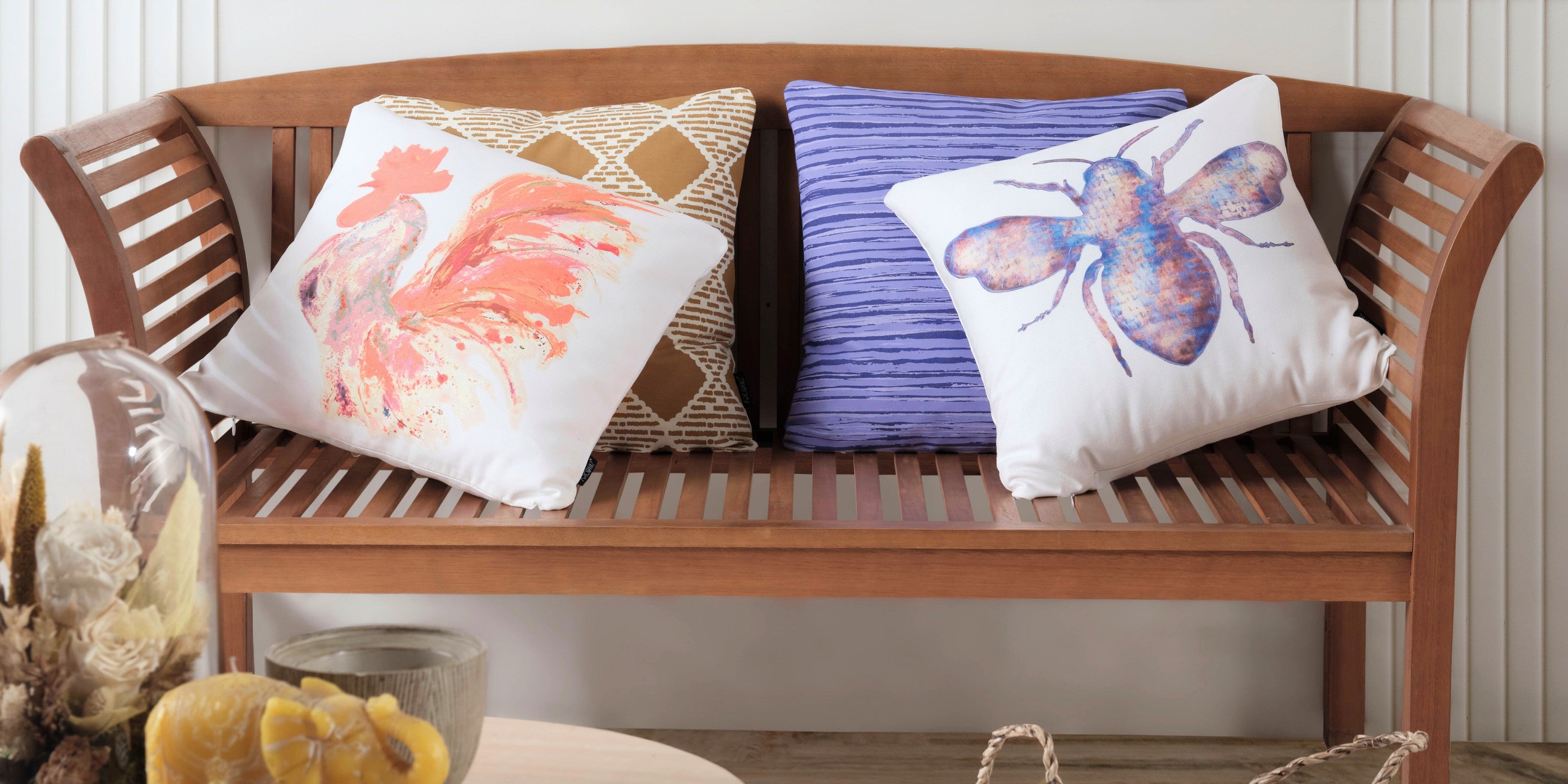

Learning how to mix and match throw pillows comes down to a short formula: one color palette, three sizes, two patterns, and at least one solid texture, arranged in odd numbers. Designers describe the same system in different words, and once you see it, you can build a combination for any sofa or bed in minutes. This guide walks through each step, then gives you exact pillow counts and sizes for a loveseat, a standard sofa, and a sectional, which is the part most guides leave out.

Start with a palette of three colors
Pick the colors before you pick a single pillow. Studio McGee's styling team starts every combination by identifying a color scheme, because every later choice becomes easier once the palette is set. Three colors is a comfortable number: one base that relates to your sofa, one accent you want more of in the room, and one quieter bridge tone.
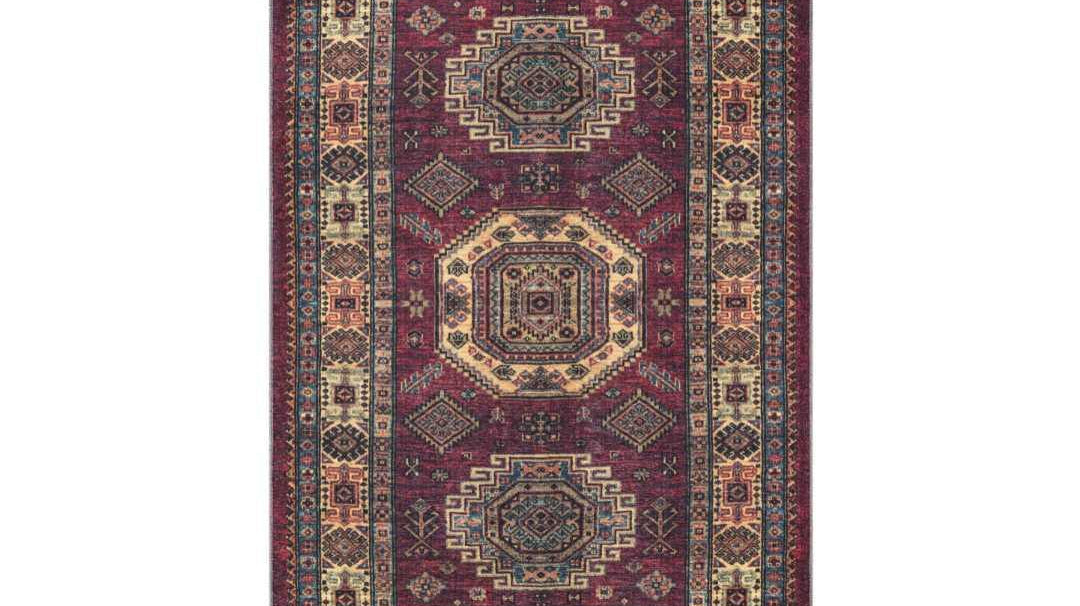
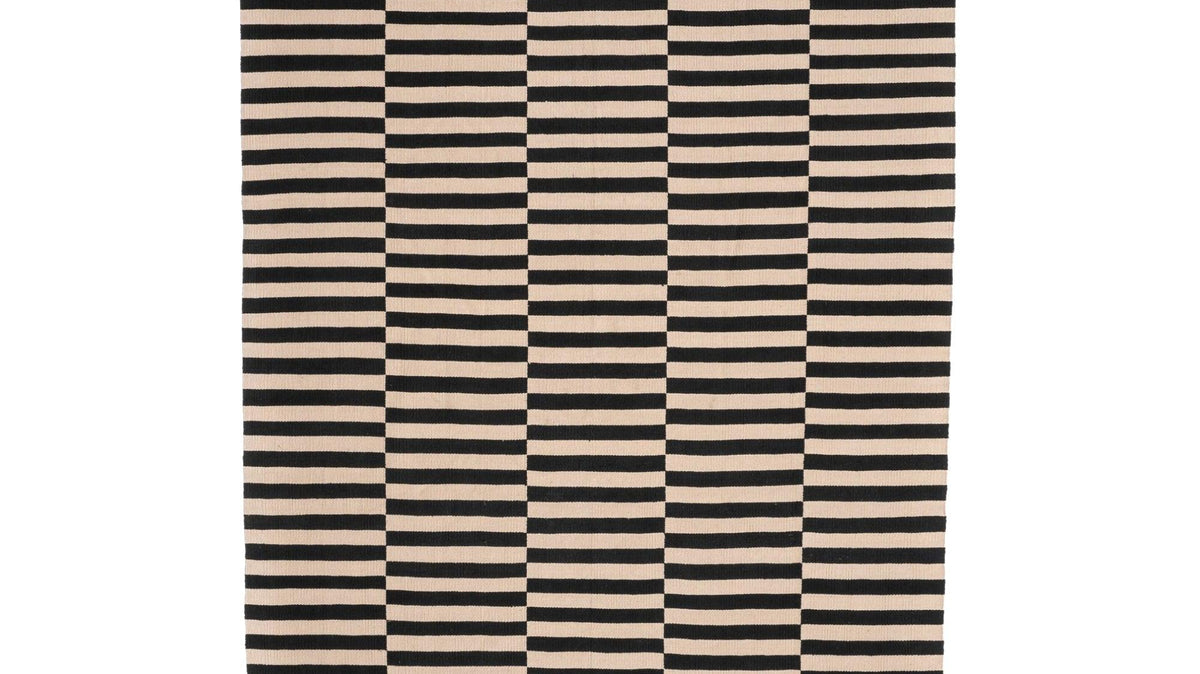
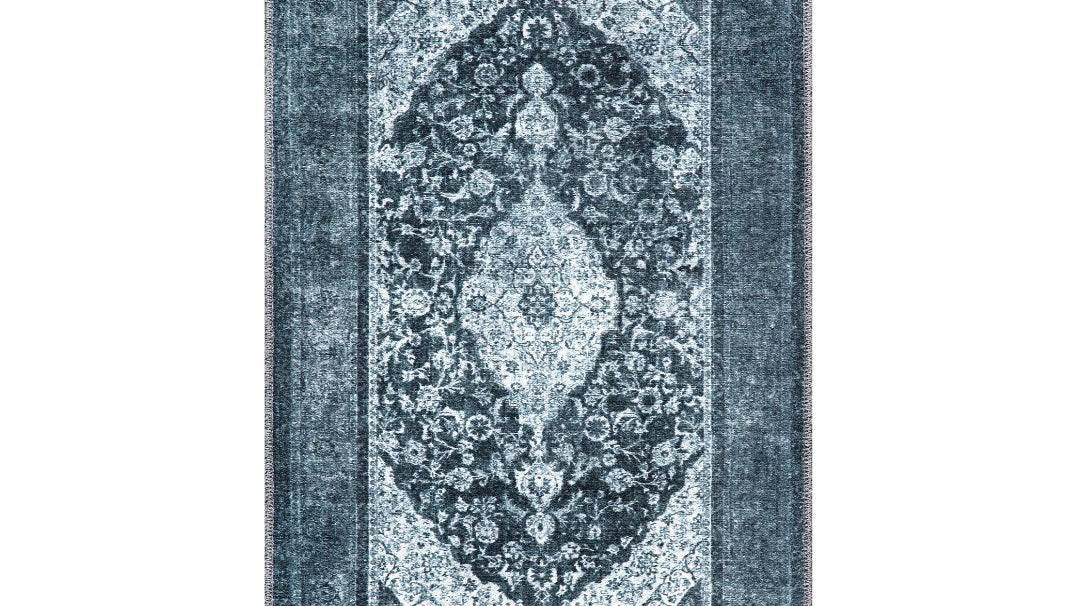
If you are unsure where to begin, borrow from something that already lives in the room. A rug, a piece of art, or a favorite patterned pillow can supply all three colors. The pillows do not need to match each other exactly. They need to agree. Similar undertones across different fabrics read as intentional, while identical shades in identical fabrics read as a showroom.
Build in three sizes
A flat row of same-size pillows is the most common mistake, and the fix is simple layering. Start large at the back and step down. A proven stack: a 22 inch square at the back, an 18 to 20 inch square in front of it, and one differently shaped piece at the front, usually a lumbar around 14 by 20 inches. Size variety is what makes a sofa pillow arrangement look composed rather than scattered, and designers repeat this rule almost word for word.
The shape change at the front matters as much as the size change. A rectangle against two squares gives the eye a place to land. On a bed, the same logic holds: sleeping pillows at the back, then decorative squares, then one lumbar across the front.
Mix patterns: one organic, one geometric
Pattern mixing stops being risky when you limit it to two jobs. Choose one organic print first: florals, botanicals, anything with curve and movement. These are the hardest pillows to pair, so they set the direction. Then add a geometric: stripes, checks, diamonds, lattice. The straight lines balance the movement of the organic print.

Two rules keep the pair from clashing. The geometric should share at least one color with the organic print. And the two patterns should sit at clearly different scales, one large and one small. If you squint from across the room and the patterns blur together, they are too similar in scale, and one should be swapped.
Balance with solids and texture
Patterns need somewhere to rest. One or two solid pillows give the combination a pause, and this is where texture earns its place. A woven cotton solid beside a smooth printed cotton reads as layered rather than flat, which is why designers increasingly reach for handwoven and textural pieces over another print. Our cotton pillow covers are woven with exactly this role in mind: the texture carries the interest, so the solid never feels like filler.
A folded throw does the same balancing work one layer down. Draping a textured throw over the sofa arm ties the pillow palette into the rest of the seat; our guide to styling throws on sofas and beds covers the drape itself, and the Darcy throw collection pairs naturally with woven covers.
Exact pillow combinations by sofa size
This is the part most guides skip, so here are working recipes. Odd numbers are the standing rule for a reason: three or five pillows always has a middle, so the arrangement resolves visually.
| Seat | Count | The recipe |
|---|---|---|
| Armchair | 1 | One statement pillow, pattern or strong texture |
| Loveseat | 3 | Two 20 in solids at the corners, one patterned lumbar centered |
| Standard sofa | 5 | Two 22 in solids at the back corners, two 18 to 20 in patterns (one organic, one geometric), one lumbar centered |
| Sectional | 5 to 7 | The sofa recipe, plus one or two at the chaise corner; repeat colors, not pillows |

Two practical notes. First, keep at least a third of the seat usable; if guests have to relocate pillows to sit down, subtract one. Second, choose covers over sewn-closed pillows when you can. Covers swap with the seasons, store flat, and go into the washing machine, which matters on a family sofa.
The short version
Set a three color palette, layer three sizes with the largest at the back, pair one organic print with one geometric that shares a color, rest everything on a textured solid, and finish in odd numbers. Then break one rule on purpose, because a combination that follows every rule can feel staged. When you are ready to build yours, start with the texture layer: browse our handwoven cotton pillow covers, woven in Türkiye and made to be washed, not just fluffed.
Written by the Arconiz team. Our pillow covers are woven in Türkiye from natural cotton.