





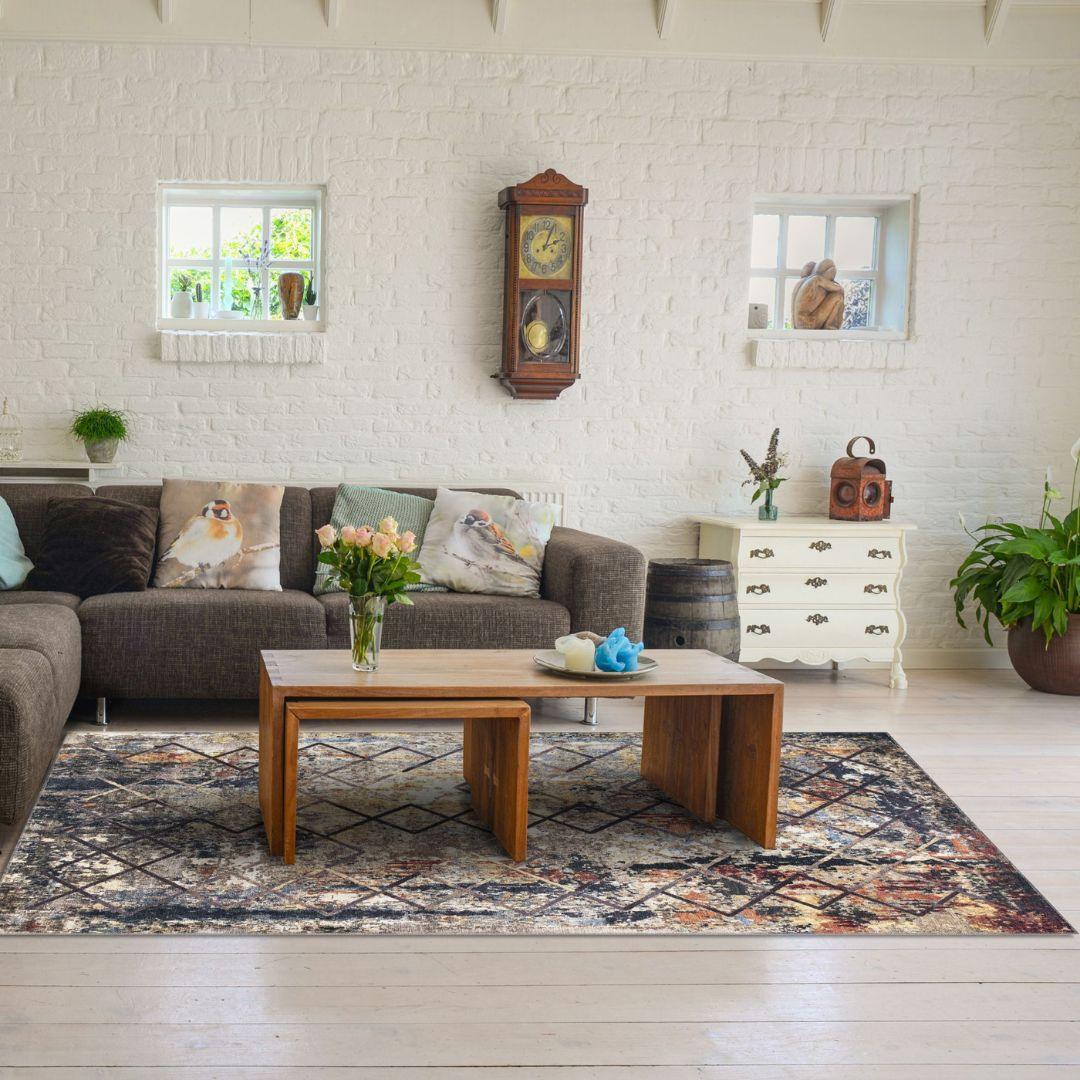


Not always. Most machine washable rugs already have a non-slip backing, so on many floors you won't need a separate rug pad to keep them in place. But a thin rug pad still adds cushion underfoot, protects hardwood, extends the rug's life, and gives extra grip on very smooth or high-traffic floors. Whether you need one comes down to your floor and how the room is used.
Do washable rugs come with non-slip backing?
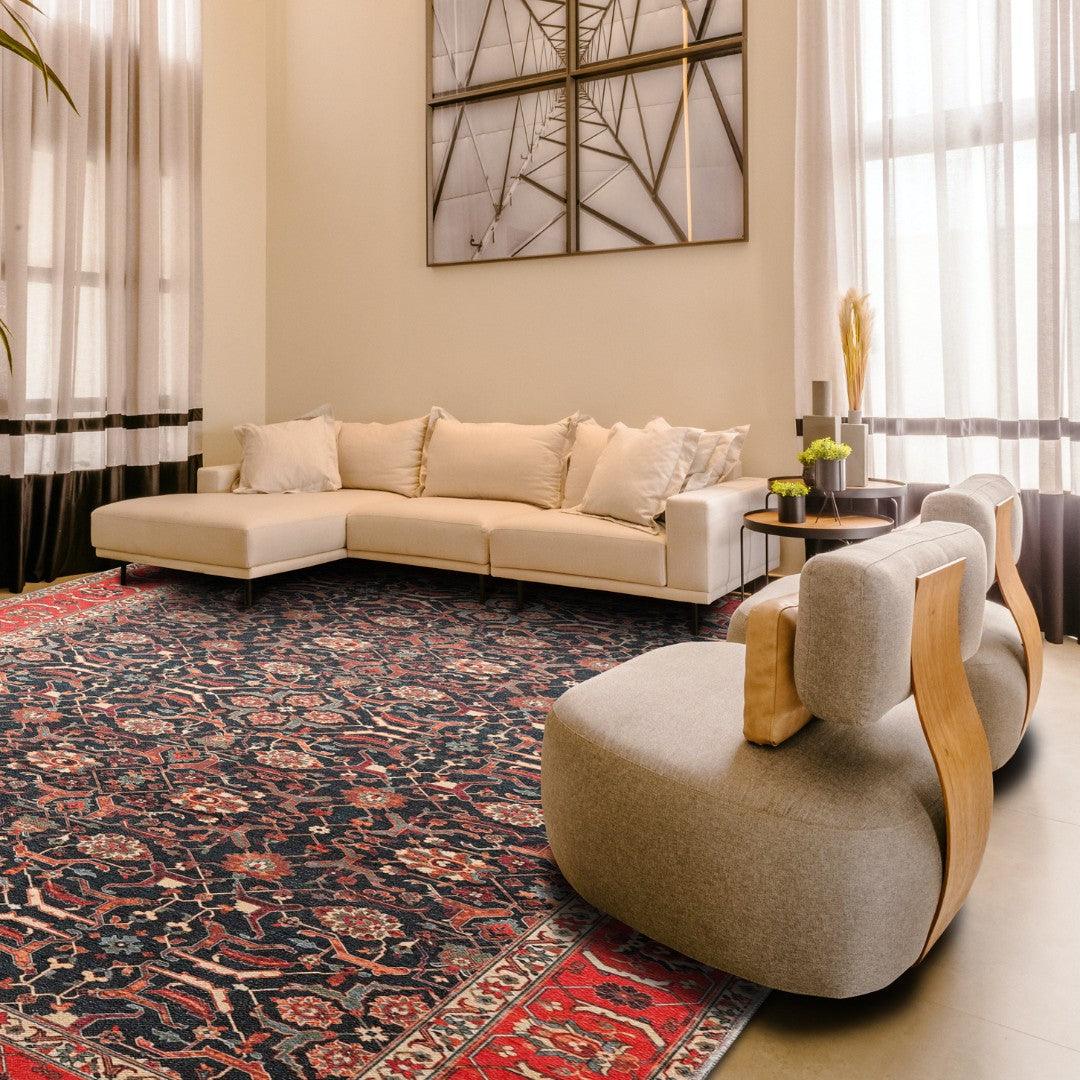
Most good ones do — and every Arconiz washable rug is built with a non-slip backing woven right in, not glued on to peel away later. That grippy underside is designed to hold the rug flat on hard floors so corners don't curl and the rug doesn't wander when you walk across it.
That's the key difference from a traditional rug. A hand-knotted or tufted rug has a plain woven or canvas back that slides freely, which is exactly why a rug pad has always been considered essential underneath one. A washable rug flips that assumption: the grip is part of the rug, so the pad becomes optional rather than mandatory.
When you don't need a rug pad
You can usually skip the pad entirely if:
- Your washable rug already has a non-slip backing (ours all do).
- It's a small size — a 2x3 doormat or 3x5 accent rug rarely travels.
- It sits partly under furniture, which pins it in place.
- Your floor has some texture — luxury vinyl, matte tile, or low-pile carpet.
In these cases the backing does its job, and adding a pad mainly means one more thing to lift on wash day. Browse the machine washable area rugs collection and you'll see the non-slip backing called out on each style.
When a rug pad is still worth it
A pad isn't about fixing a bad rug — it's about comfort and floor protection. Here's when we'd add one.
| Situation | Why add a pad |
|---|---|
| Glossy hardwood or polished tile | Very slick floors reduce grip; a rubber pad adds hold. |
| High-traffic room | Constant foot traffic can inch any rug; a pad keeps it planted. |
| You want softness underfoot | A felt pad adds cushion to a low-pile washable rug. |
| Protecting a wood floor | A pad prevents any color transfer and buffers scratches. |
| Larger 8x10 rug | Big rugs benefit from a pad to stop rippling in the middle. |
How to choose and use a rug pad
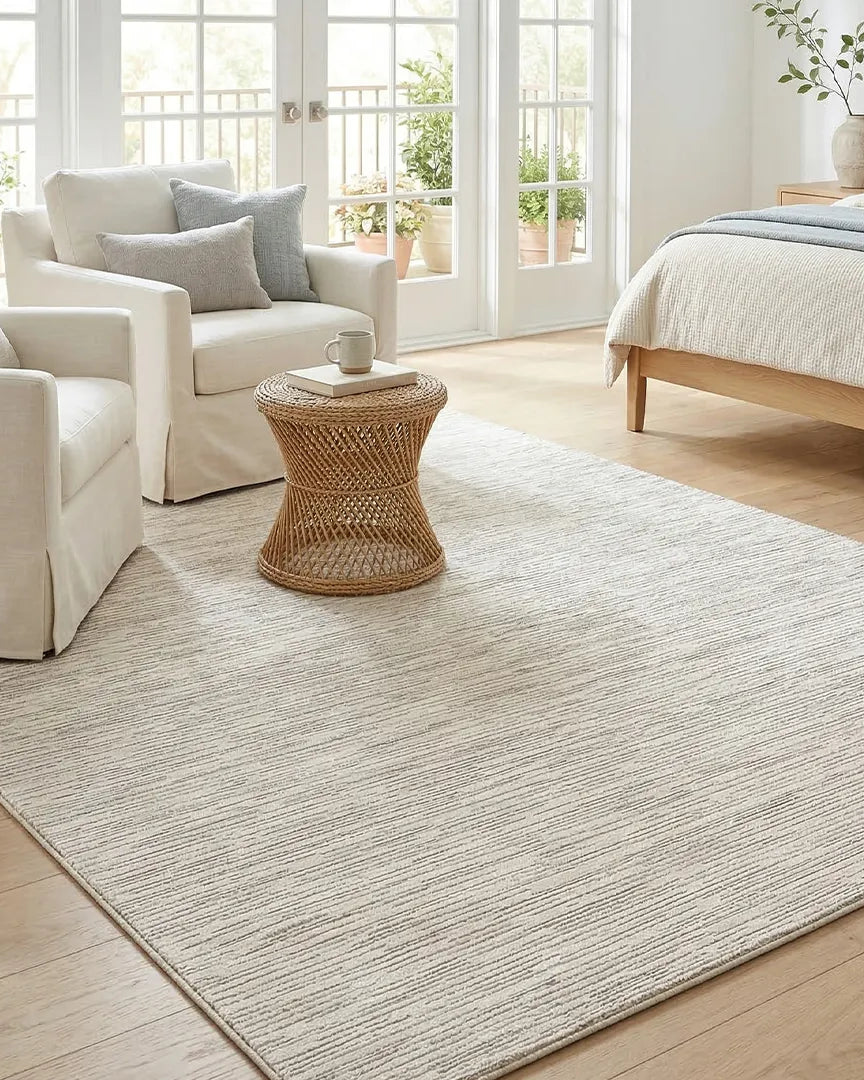
- Measure your rug. Pick a pad about one inch smaller on each side so it stays hidden under the edges.
- Choose a felt-and-rubber pad. It gives both cushion and grip; use a thin rubber-only pad under doors with low clearance.
- Cut it to size. Trim with scissors so no pad peeks out past the rug.
- Lay the pad, then the rug. Rubber side down on a clean floor, rug on top, smoothed flat.
- Remove it before washing. Lift the rug off and wash the rug only — leave the pad on the floor.
Arconiz washable rugs with grip built in
Because the grip is already handled, these styles work with or without a pad — your call based on the floor.

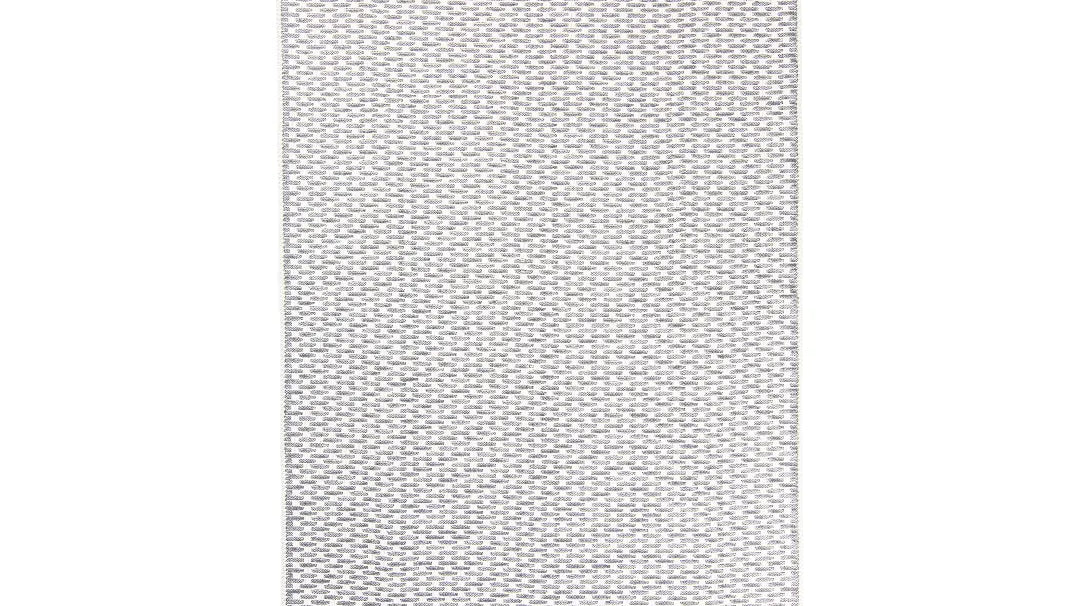
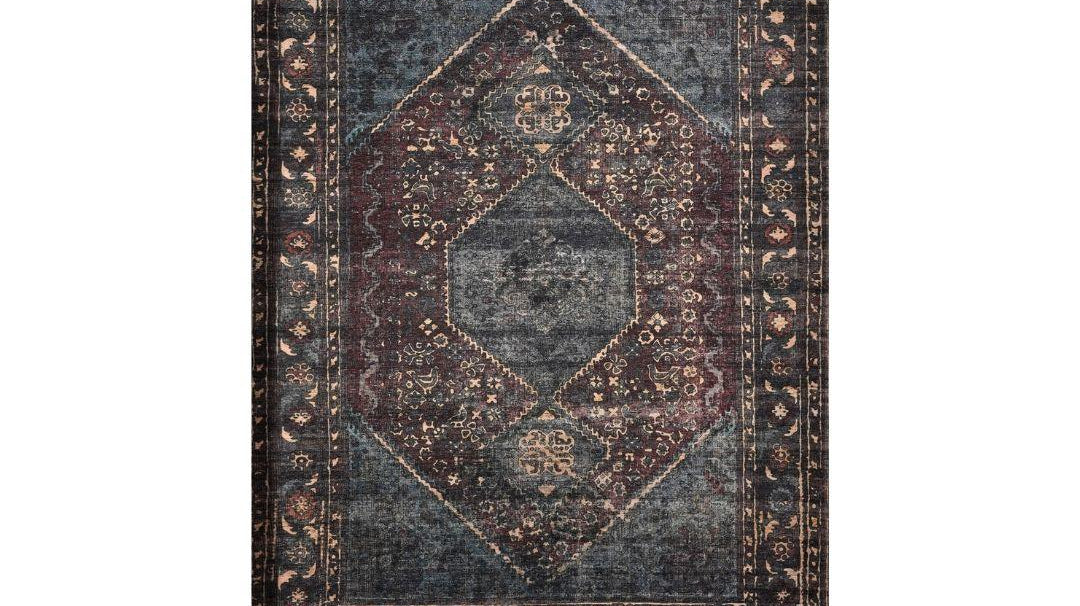
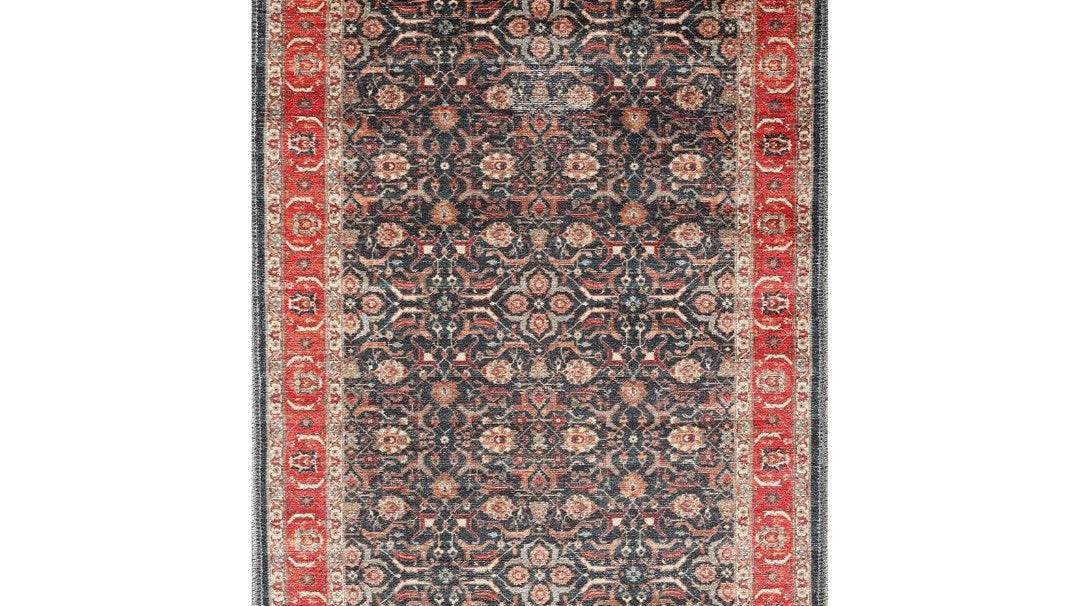
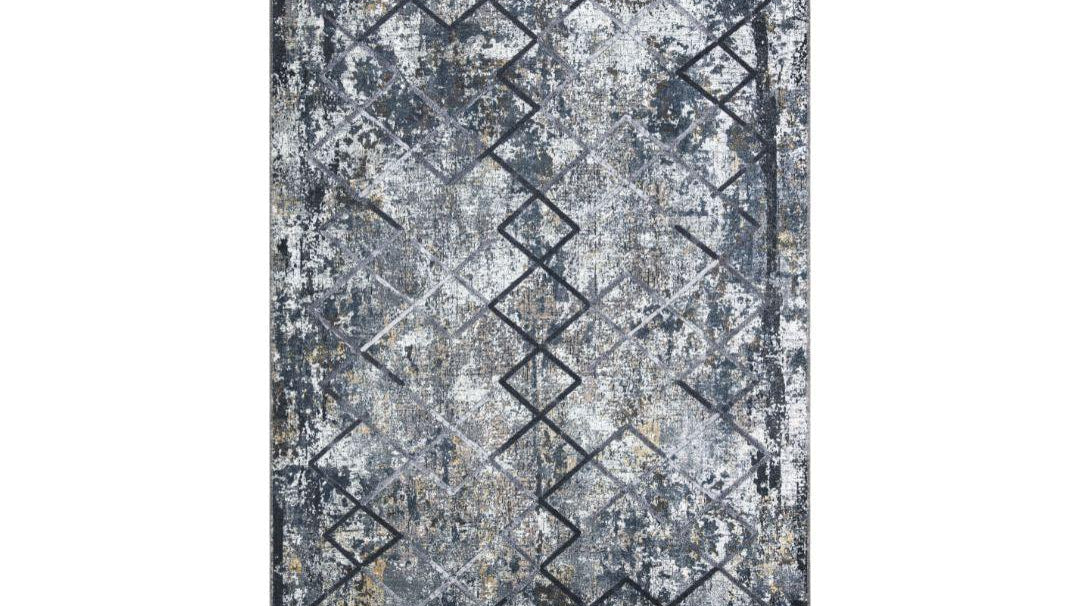
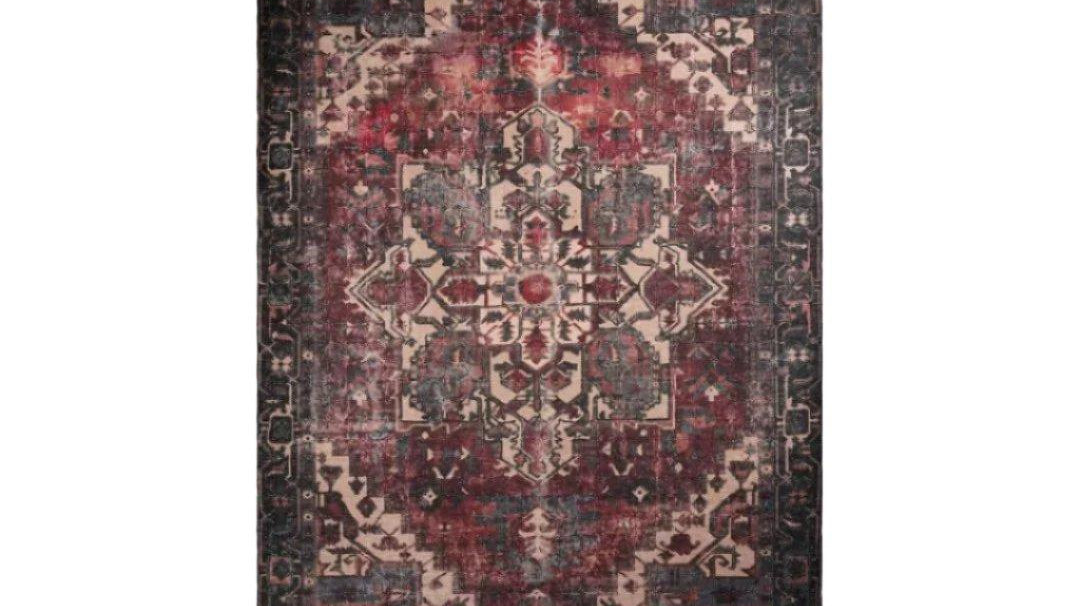
The gray medallion distressed rug and the navy blue washable rug both grip smooth floors on their own, so a pad is purely a comfort upgrade.

For a bigger room, the charcoal washable rug comes in sizes up to 8x10, where a felt pad can be a nice touch to stop any middle rippling.

Shopping bigger? See our 5x7 area rugs and the full premium area rugs range.
The honest Arconiz take
We won't upsell you a pad you don't need. Because our washable rugs are woven with a non-slip backing, most customers use them straight out of the wash with nothing underneath. Add a pad if you want plush comfort, are babying a hardwood floor, or have an especially slick surface — otherwise, save your money. If you're still deciding between washable and traditional, our guides on washable vs. traditional rugs and how to clean each type break down the real differences.
Written by the Arconiz team — direct-from-Turkey rug makers who weave the non-slip backing into every washable rug we sell. Published July 9, 2026.