










Furniture dents are compressed fibres, and most come out. Vacuum the dent, loosen the fibres with your fingers, set an ice cube on it and let it melt, blot, then fluff the pile with a fork or soft brush and let it dry fully. Then shift the furniture a few inches and add coasters so it does not happen again.
Why does furniture leave dents in a rug?
Every fibre in a rug is a tiny spring. Put a heavy sofa leg on it and the springs lose, then stay flat because nothing tells them to stand up again. The heavier the piece and the smaller the foot, the deeper the dent. A narrow wooden leg carrying a corner of a sofa concentrates far more pressure than a wide base does.
How visible the dent is depends on the construction of the rug. Deep, soft pile records every footprint. A low-pile weave has less height to lose, so the mark is shallower and easier to lift. Flat weaves, which have no upright pile at all, tend to show a pressed shine or a slight line rather than a crater.
| Rug construction | How dents look | Best method |
|---|---|---|
| Deep or shag pile | Deep, obvious craters | Ice cube, then fork |
| Low pile | Shallow, shiny flattened patch | Fingers, then brush and steam from a distance |
| Flat weave or kilim | A pressed line or slight sheen | Rotate the rug, brush gently |
Step by step: the ice cube method
This is the classic approach, and it is the gentlest. It needs patience rather than skill.
- Move the furniture and vacuum the dent. Loose dust weighs the fibres down. Vacuuming rugs the right way has the dos and don'ts.
- Loosen the fibres by hand. Rub the dent firmly with your fingertips or the back of a spoon, working against the direction the pile lies.
- Set an ice cube in the middle of each dent. Let it melt completely, ideally for several hours or overnight. Slow water soaks into the compressed fibres and swells them.
- Blot the patch. Use a clean white towel. Blot, do not rub, and do not leave the area sitting wet.
- Fluff the fibres. While the patch is still slightly damp, lift the pile with a fork, a soft brush or your fingers.
- Dry it fully. Air should reach the underside. Do not put the furniture back on damp fibres, which would simply press them flat again.
- Move the furniture a few inches. When it goes back, make the legs land on fresh pile, and use coasters.

Other methods, and when to use them
If the ice cube method is too slow, there are two quicker options. Both need care, because heat and moisture are what a rug backing dislikes.
- Steam from a distance. Hold a steamer or an iron on its steam setting several inches above the dent, never touching the rug, then fluff the fibres with a brush. Do not use steam on a backed rug for more than a few seconds, because heat softens the coating that keeps it in place.
- A damp cloth and a hairdryer on low. Lay a barely damp cloth over the dent, steam it gently with warm air, and fluff. This is slower but safer than direct steam.
- A soft brush and your fingers alone. For a flat weave, this is often all it takes, because there is no pile to revive.
Whichever you use, test a hidden corner first. Natural fibres like wool and viscose are more sensitive to water and heat than synthetic ones, and a fibre that can watermark is not worth risking on a visible dent.
How to stop furniture dents coming back
Prevention is easier than repair, and most of it comes down to spreading weight.
- Use furniture coasters or cups. A wide base spreads the load over more fibres, so each one is crushed less.
- Shift the furniture slightly every few months. A couple of inches is enough to move the legs onto fresh fibres.
- Rotate the rug. Turning it 180 degrees every six months or so evens out wear and pressure marks.
- Add a rug pad. A pad cushions the rug from below, so the fibres have somewhere to go. If you are unsure whether you need one, do you need a rug pad for a washable rug covers it.
- Size the rug properly. Furniture legs sitting half on and half off a rug create ridges. What size rug for a living room shows how to place it so legs land fully on, or fully off.

Do washable rugs dent less than traditional ones?
In our experience, yes, mostly because of the construction rather than the washability. Washable rugs tend to be low pile, so there is less height to crush, and a pattern hides what is left. A deep wool pile will always record a sofa leg more dramatically. If you are weighing the two, wool rugs vs washable rugs compares them honestly.
One more point in washable rugs' favour: if a dent does stay put, you can wash the rug and dry it flat. Wetting and drying evenly is often what finally relaxes a stubborn mark, so long as you follow the care label. Our guide to flattening a new rug uses the same principle for packaging creases.
The Arconiz angle
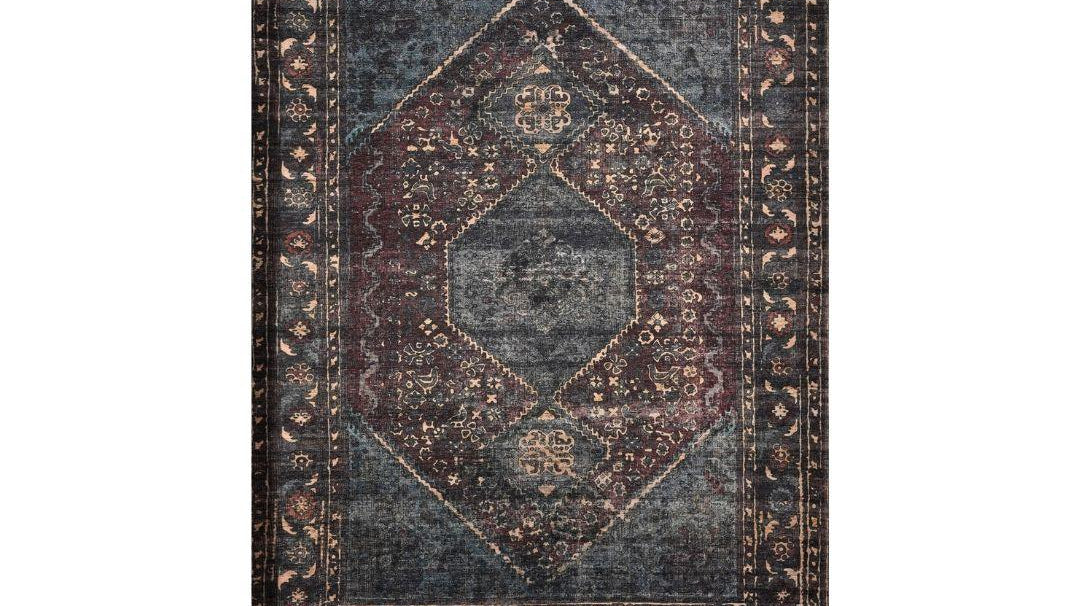
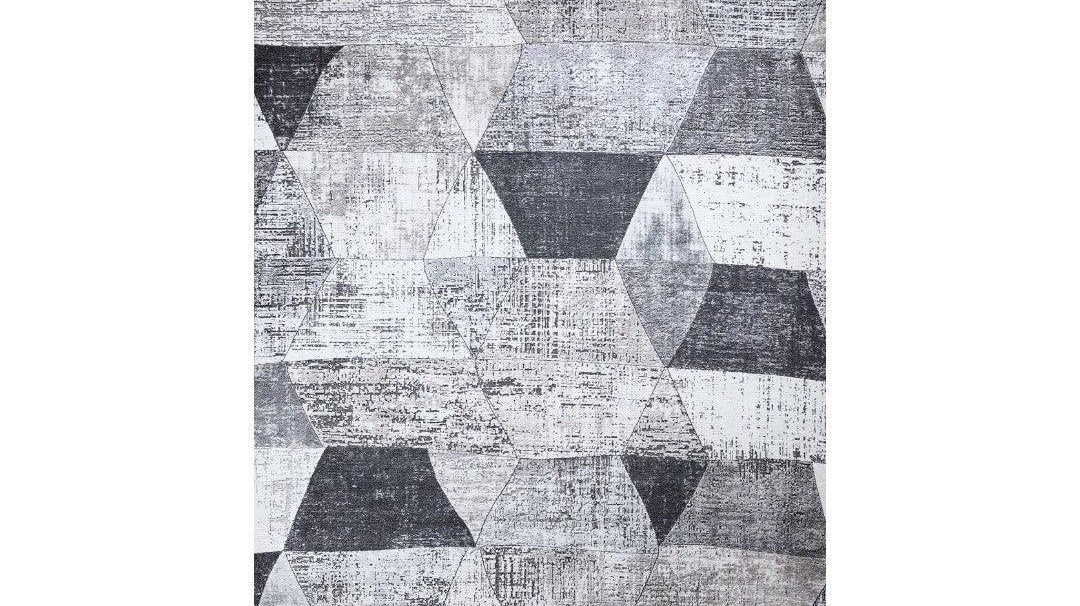
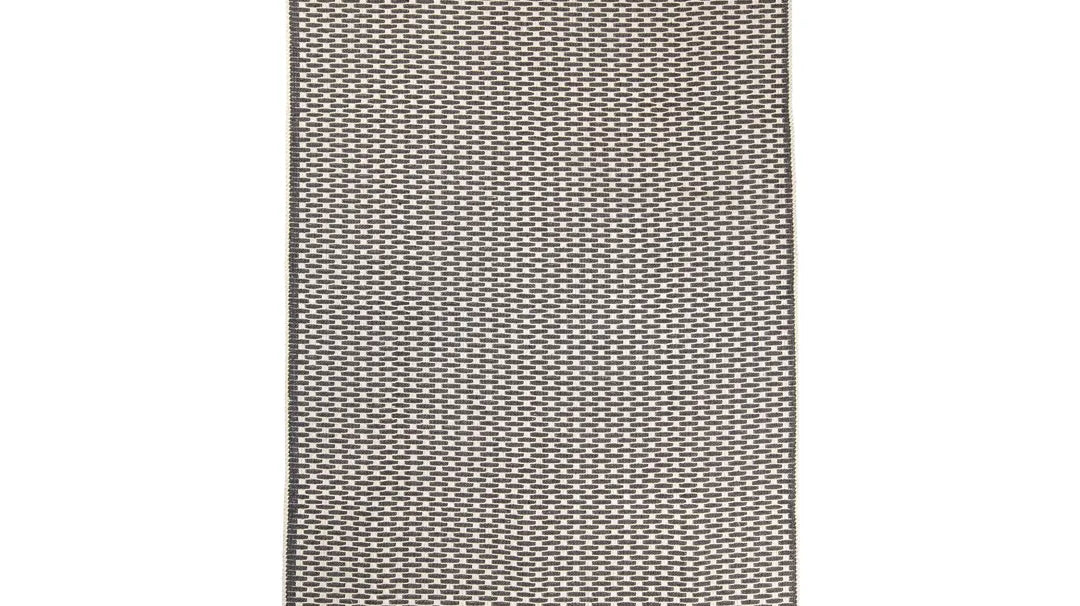
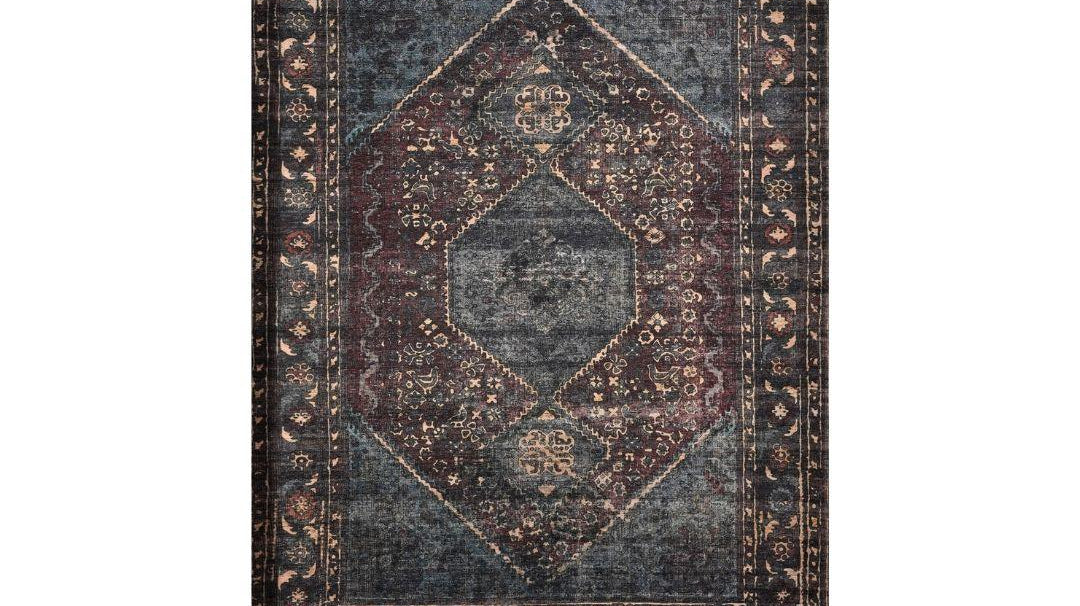
We buy directly from manufacturers in Turkey, and the first thing we check on a new design is how it looks after a few weeks under real furniture, because that is where a rug earns its keep. Low pile and a printed pattern are a practical combination for a living room, and the charcoal washable rug and the burgundy vintage washable rug both sit under sofas and chairs without drama. For a cleaner, modern look, the blue geometric check rug is a flat weave. Browse the lot in our machine washable rug collection.
Being straight with you, no rug is dent-proof. If heavy furniture will sit on one spot for years, move it now and then. And if you are still deciding on the format, are machine washable rugs worth it is where to start.
Written by the Arconiz team. We source handwoven and machine washable rugs directly from manufacturers in Turkey and test every care instruction we publish on our own stock.