











Mildew grows on a washable rug when it stays damp for more than a day or two, usually after an incomplete dry, a spill left to soak, or a humid room. Shake it out outside, wash it cold on gentle with mild detergent and a cup of white vinegar in the rinse, then dry it fast and completely. Fix the damp source, or it will return.
How does mildew start on a washable rug?
Mildew needs three things: moisture, a bit of organic material to feed on, and air that does not move. A rug supplies the second without trying, because it is full of dust, skin cells and crumbs. The only variable you control is the first, which is why almost every case traces back to a rug that stayed damp for longer than it should.
The ordinary causes are boring. A rug put back on the floor before the backing was dry. A spill that soaked through to a pad. A rug in a bathroom, a basement or a closed-up room with high humidity. A rug on a floor that sweats, like a slab that is cool in summer. Our guide to washable rugs for basements goes into damp spaces specifically.
| Sign | What it usually means | What to do |
|---|---|---|
| Musty or earthy smell, no marks | Early damp, trapped moisture | Wash and dry fully, then recheck |
| Faint grey or white powdery patches | Surface mildew | Shake outside, vacuum, wash |
| Black or green spots on the back | Established growth in the backing | Wash once; replace if it returns |
| Damp feel on a dry day | Moisture trapped beneath | Lift it, check the floor and pad |

Step by step: treating a mildewed or musty washable rug
Act as soon as you notice the smell. Early on, this is a wash and a proper dry; later it gets harder.
- Take it outside. Move the rug outdoors or into a well-ventilated space so spores do not get shaken into your rooms, then shake or brush off loose growth.
- Vacuum both sides. Use a brush attachment, and empty the vacuum outside straight away.
- Wash it cold on a gentle cycle. Alone, with a mild liquid detergent and a cup of white vinegar added to the rinse. Never put vinegar anywhere near bleach. What to use is in our guide to what detergent to use on a washable rug.
- Add a second rinse. Detergent left in the weave is a food source for the next round.
- Dry it fast and completely. Flat or evenly draped, in moving air, ideally in bright dry weather. The backing must be fully dry, not just the surface.
- Fix the cause. A damp floor, a humid room or a trapped pad. If you do not, the rug simply goes back to growing mildew.
What not to use
It is tempting to reach for the strongest thing under the sink. With a coated, dyed rug, stronger is worse.
- Chlorine bleach. It strips the dye and degrades the adhesive holding the backing, so you trade a smell for a ruined rug. It also gives off dangerous fumes if it meets vinegar or ammonia.
- Heavy scrubbing. It roughens the pile and pushes growth deeper into the weave.
- Soaking it in a tub and leaving it. The more water in the rug, the longer it takes to dry. Wash and move straight on to drying.
- Fragrance sprays. They cover a smell without removing the cause.
Oxygen bleach is a gentler option for a stubborn spot, but test it on a hidden corner first. If the smell is pet-related rather than mildew, how to get pet odor out of a washable rug is the better guide, because urine needs an enzyme cleaner.
How to dry a washable rug so mildew never starts
Drying is the whole game. Here is what works, in rough order of effectiveness.
| Method | How good | Notes |
|---|---|---|
| Flat, outdoors in dry shade | Best | Air reaches both sides; avoid long direct sun on dark colours |
| Draped evenly over a rail with a fan | Very good | Turn it halfway through |
| Flat indoors with a fan or dehumidifier | Good | Prop the edges so air gets underneath |
| Low heat in the dryer, if the label allows | Depends | Only if the care label says so; see our dryer guide |
| Left folded or bunched | Worst | Traps moisture in the folds |
Whether tumble drying is allowed varies by rug, which can you put a washable rug in the dryer explains. If you do not wash often, you will not need to dry often either; how often should you wash a washable rug gives a schedule by room.

Where mildew actually happens: rooms, pads and floors
If you have treated a rug and the smell returns within weeks, the rug is rarely the real problem. The floor and the room are.
- Check the pad. A pad can hold a surprising amount of water and release it slowly. If a pad is damp, replace it. Do you need a rug pad for a washable rug covers the breathable options.
- Check the floor. Cool slab or vinyl floors can sweat, and a rug lying on them traps it. Our guide to washable rugs on vinyl and laminate explains the moisture side.
- Lift it now and then. Pull the rug up every few weeks in humid months and let the floor and the underside breathe.
- Control the humidity. A dehumidifier or open window in a damp room does more than any cleaner will.
- Clean spills quickly. A spill left to soak into the backing is the fastest route to a musty smell.
For households where anyone is sensitive to dust or mould, are washable rugs good for allergies has more on how washing fits in. If the growth is widespread, black through the backing, or keeps returning, replacing the rug is the sensible choice, and nobody with a respiratory condition should be scrubbing it.
The Arconiz angle
We source our rugs straight from manufacturers in Turkey, and the lesson from years of customer emails is consistent: the rugs that cause trouble are almost never the ones that were washed too much; they are the ones put back too soon. A low-pile weave helps, because it rinses freely and dries far faster than a dense, thick one.
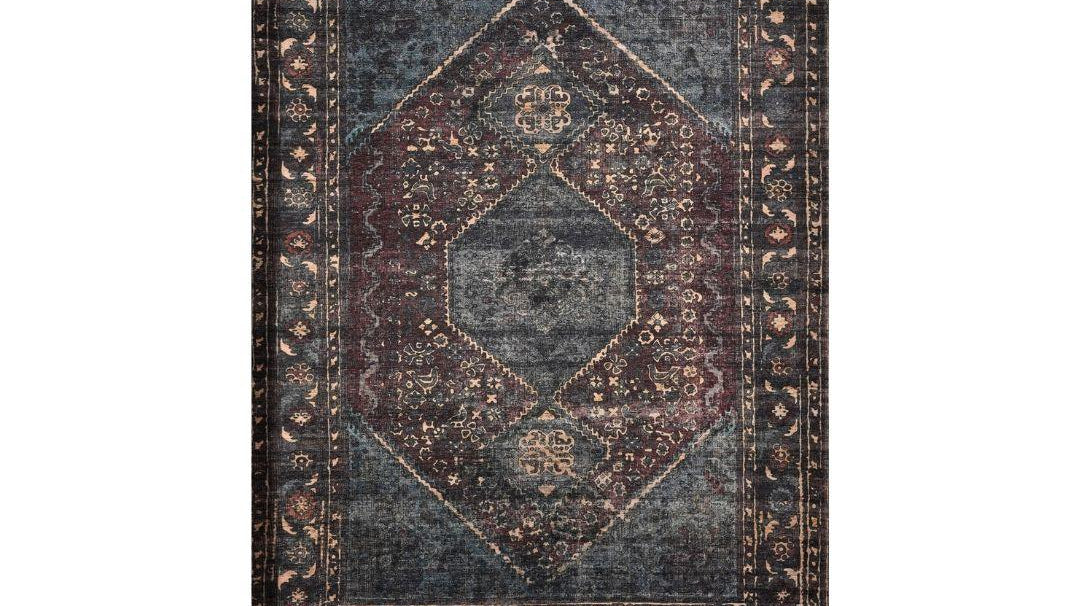
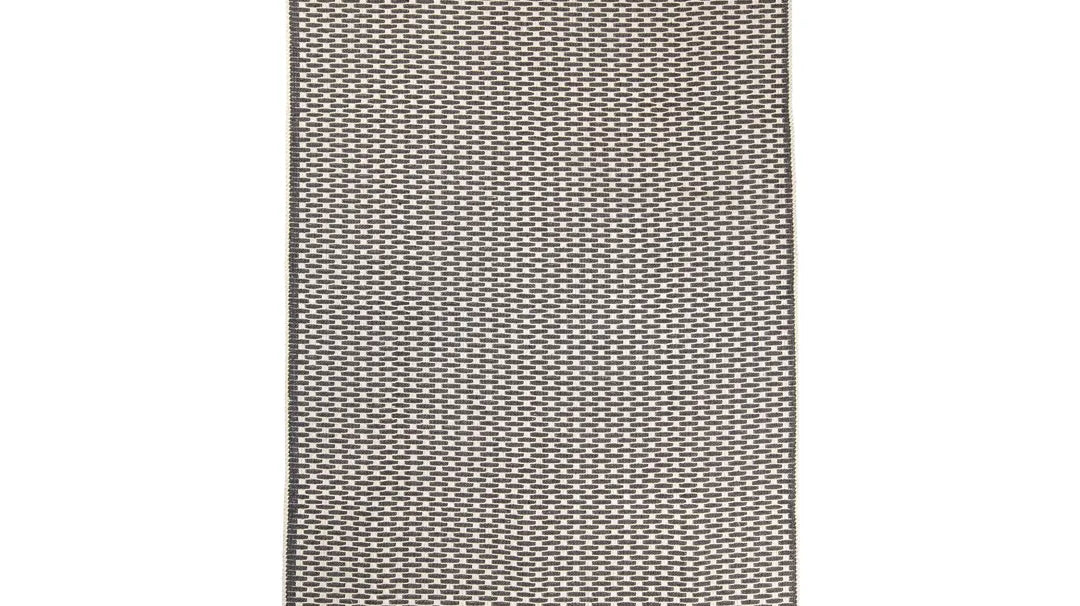
Our low-pile washable rugs, such as the beige classic stripe runner, the blue and red decorative border rug and the burgundy and yellow recycled rug, are made for exactly this. The full range lives in our machine washable rug collection. And if you are weighing up whether a washable rug fits your home at all, are machine washable rugs worth it is our honest take.
Written by the Arconiz team. We source handwoven and machine washable rugs directly from manufacturers in Turkey and test every care instruction we publish on our own stock.