





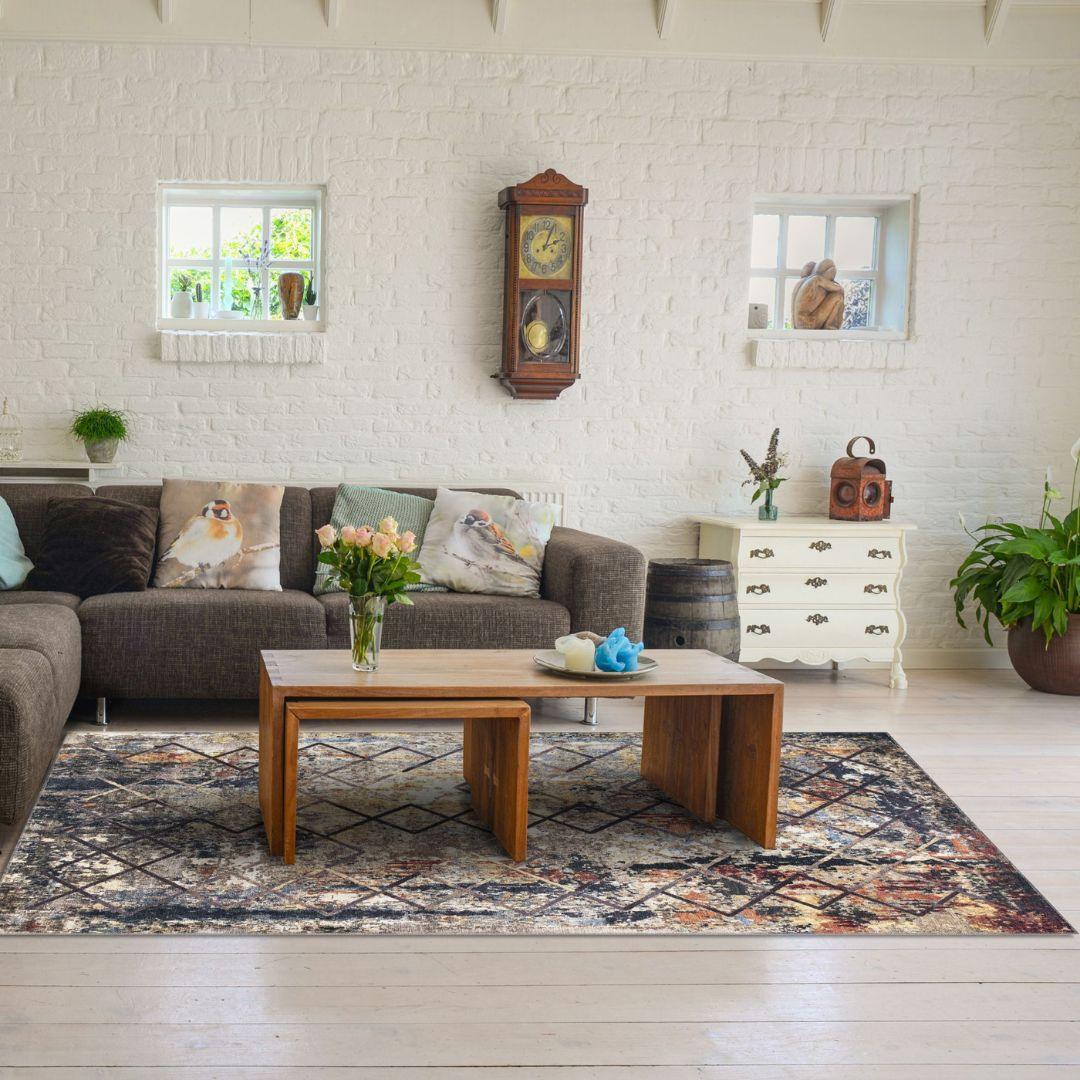



Yes, you can put an area rug on a heated floor, and most are fine. The catch is that a thick, dense rug or pad acts like a blanket, trapping heat and making the system work harder. Choose a thin, low-pile rug, skip heavy pads, and check what your heating and flooring manufacturers say.
Why a rug matters on a heated floor at all
Radiant floor heating warms the room by sending heat up through the floor surface. A rug sits in the way. A thin one slows that heat slightly, and you barely notice. A thick one with a cushioned pad slows it a great deal, so the floor beneath stays warm while the room does not feel as warm as it should.
There are two practical consequences. The first is comfort and cost: the room takes longer to heat, and the system may run more to compensate. The second is heat building up under the rug, which matters more for the floor and the backing than for the rug itself. Many wood-flooring guidelines cap the surface temperature at around 85°F (29°C), and a heavy rug can push the floor beneath it towards that limit.
What to look at in a rug for heated floors
| Factor | Better for heat | Worse for heat |
|---|---|---|
| Pile height | Flat weave, low pile | Shag, dense high pile |
| Thickness | Thin, light rugs | Thick, heavy rugs |
| Backing | Thin, heat-tolerant, known material | Unknown foam, latex or thick rubber |
| Rug pad | None, or a thin felt-type pad | Thick, cushioned foam or rubber pad |
| Coverage | A border of open floor around it | Wall-to-wall or most of the heated zone |
| Fibre | Cotton, wool, natural fibres | Anything with an unknown heat rating |
Backing deserves a special mention. Some rubber and latex backings can soften, stick to the floor or degrade with prolonged warmth, and a backing that has fused to your flooring is a genuinely expensive problem. When in doubt about a backing, ask the seller what it is made of.

The rug pad question
This is where most people go wrong. A thick cushioned pad is the biggest single insulator you can add, and it is usually not needed on a thin rug. If your rug tends to creep, a thin grippy layer is one thing, but a thick foam pad is another.
If you want grip without bulk, the alternatives are a rug that already has a non-slip backing or a thin, low-profile pad rated for radiant heat. Check the pad's packaging or ask the maker. Our own advice on pads generally is in do you need a rug pad for a washable rug, and there are other ways to stop movement in how to stop a rug from slipping.
Does it depend on the type of heated floor?
| System | Rug guidance |
|---|---|
| Hydronic (water pipes) | Low-temperature systems; thin rugs are usually fine, but thick ones reduce output noticeably |
| Electric heating cables or mats | Follow the maker's rules closely; trapped heat matters more, so avoid thick rugs and pads |
| Under-flooring heating in wood | Stay under the surface temperature limit; a heavy rug can push you past it |
| Tile or stone | Most tolerant, but you still lose heat under a thick rug |
The floor type matters too. If you are laying a rug over wood, our guide to whether washable rugs are safe for hardwood floors is a useful companion, and for vinyl and laminate there is a separate one on washable rugs on vinyl and laminate floors, which matters because those materials react to heat differently from wood.
How to set it up safely
- Read the manuals first. Both the heating system and the flooring will have guidance on rugs, maximum surface temperature and warranty conditions.
- Choose a thin, low-pile rug. Flat weaves are ideal.
- Skip thick pads and unknown rubber. Use a thin pad only if you must.
- Leave a border of open floor so heat can escape into the room.
- Bring the floor up to temperature gradually, and feel around the rug for warm spots.
- Lift the rug every few weeks to check for discolouration, moisture or backing residue.

Signs your rug is causing a problem
You will not always see trouble coming, so it is worth knowing what to look for. Any of the following means it is time to lift the rug and rethink.
- A hot or warm patch on the rug's surface that is noticeably warmer than the floor around it.
- A smell of warm rubber or plastic from the backing or pad, especially after the heating has been on for a while.
- Discolouration or a sticky residue on the floor when you lift the rug.
- Cupping, gapping or shrinkage in wood flooring under the rug, which can point to uneven heat and moisture.
- A room that will not warm up, or a higher heating bill after laying a thick rug.
If you notice any of these, take the rug up, let the floor return to normal, and check with the flooring or heating manufacturer before laying it back down.
Room by room: where a rug on heated floors makes sense
| Room | Typical rug | Tip |
|---|---|---|
| Bathroom | Small mat or runner | Lift and dry it often; damp backing plus warmth is a poor mix |
| Kitchen | Runner or small area rug | Washable rugs suit spills; see the kitchen options below |
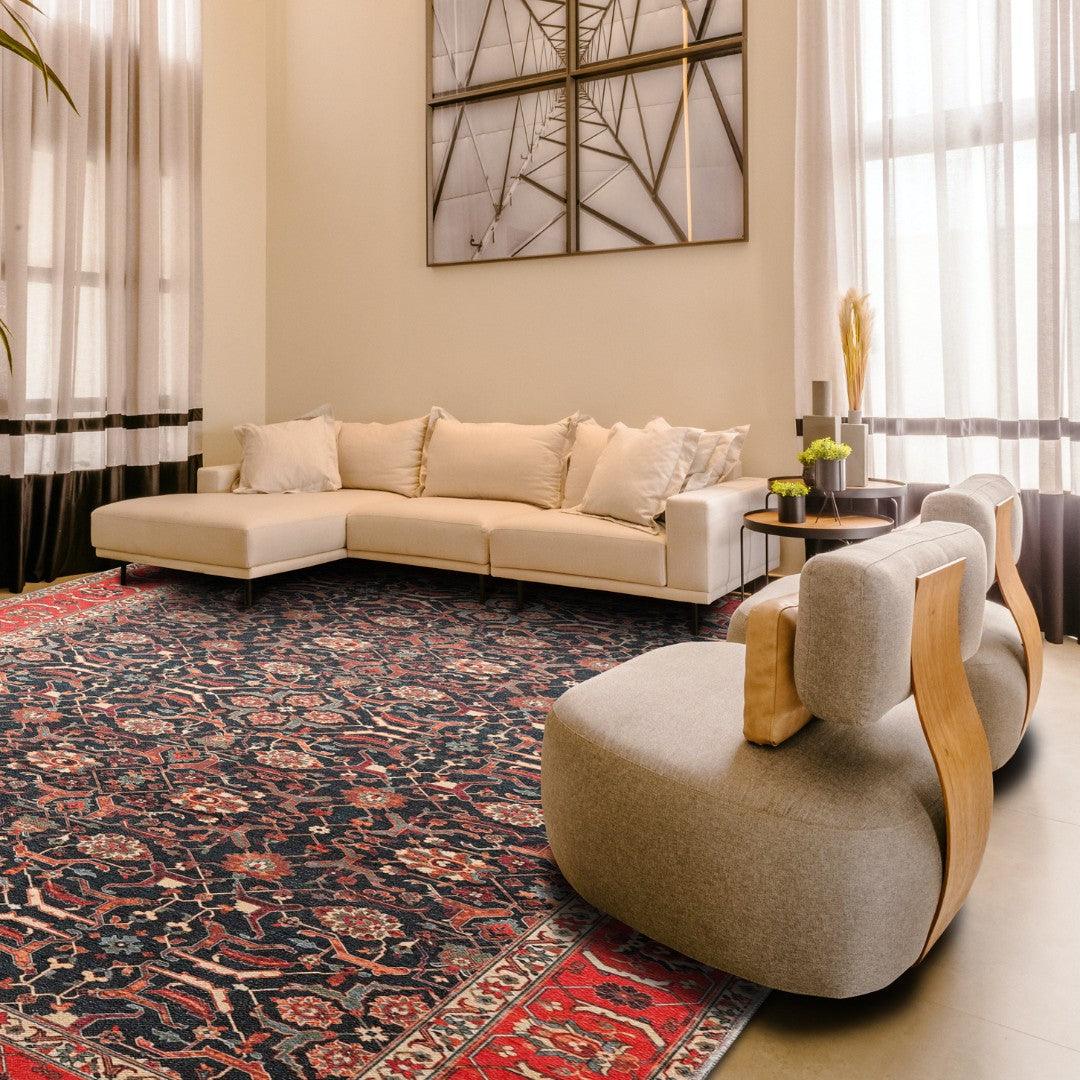
| Living room | Large area rug | Leave a border; avoid heavy pile in the middle of the room |
| Bedroom | Bedside runners or under the bed | Bedside rugs suit heated floors well because they cover little |
| Basement or lower level | Thin area rug | Moisture control matters as much as heat |
For the kitchen, washable area rugs for the kitchen covers what suits high-splash spaces.
Rug size and heated floors
A small or medium rug is easier on a heated floor than a huge one, because there is more open floor around it. If you are choosing between sizes, our area rug sizes guide lays out standard dimensions and what each fits. In a heated bathroom or kitchen, smaller rugs and runners cover only part of the floor, so the room still warms up.
Common mistakes with rugs on heated floors
- Adding a thick cushioned pad by default. On a thin rug it is rarely necessary and it is the biggest insulator you can add.
- Covering the whole heated zone. Heat needs somewhere to go.
- Ignoring the warranty. Some flooring and heating warranties limit rug thickness or coverage, and a claim can be refused.
- Turning the heat up to compensate. That raises the temperature under the rug and can push the floor beyond its limit.
- Never lifting the rug. A quick check every few weeks catches problems while they are small.
The Arconiz angle
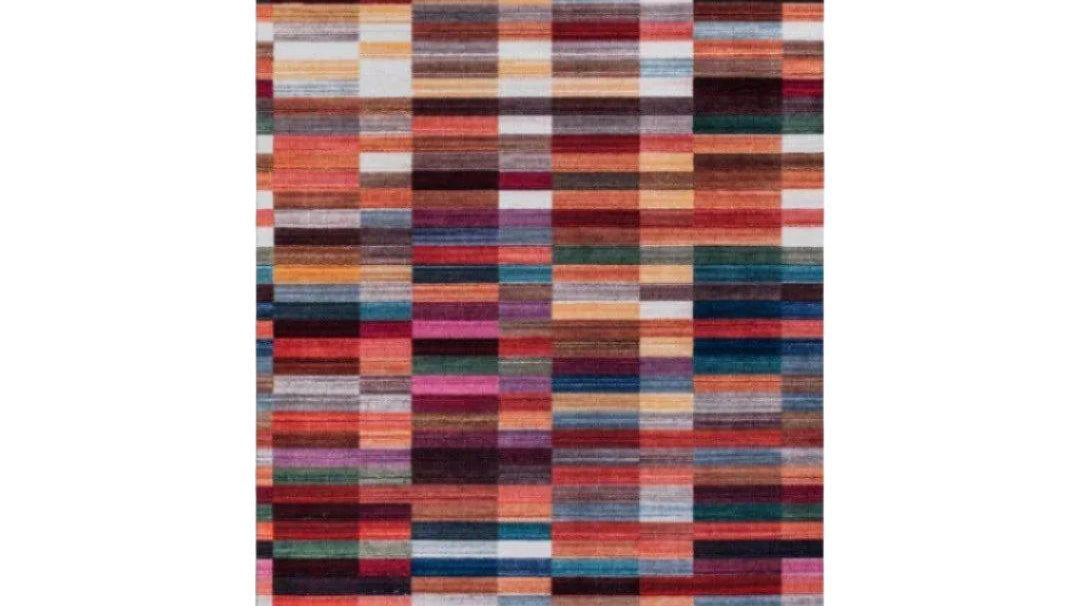
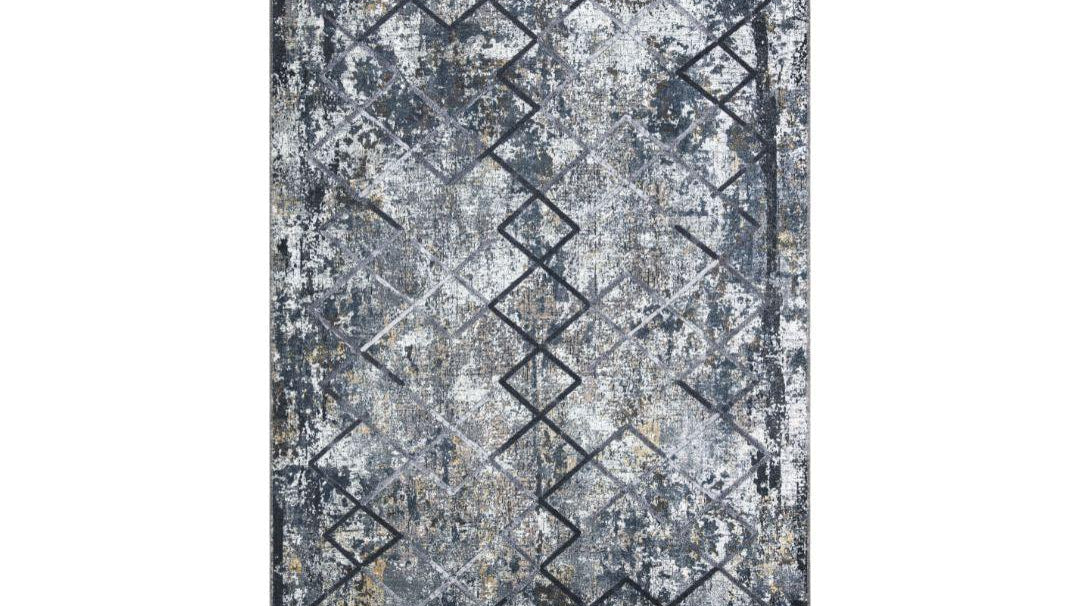
Our washable range is mostly low-pile and flat-woven, which is the profile that interferes least with radiant heat. The geometric check rugs use a silicone non-slip backing, and silicone is generally more heat-tolerant than latex or rubber. That said, we have not tested our rugs on heated floors specifically, so please treat that as something to confirm with your heating and flooring manufacturers rather than a guarantee.
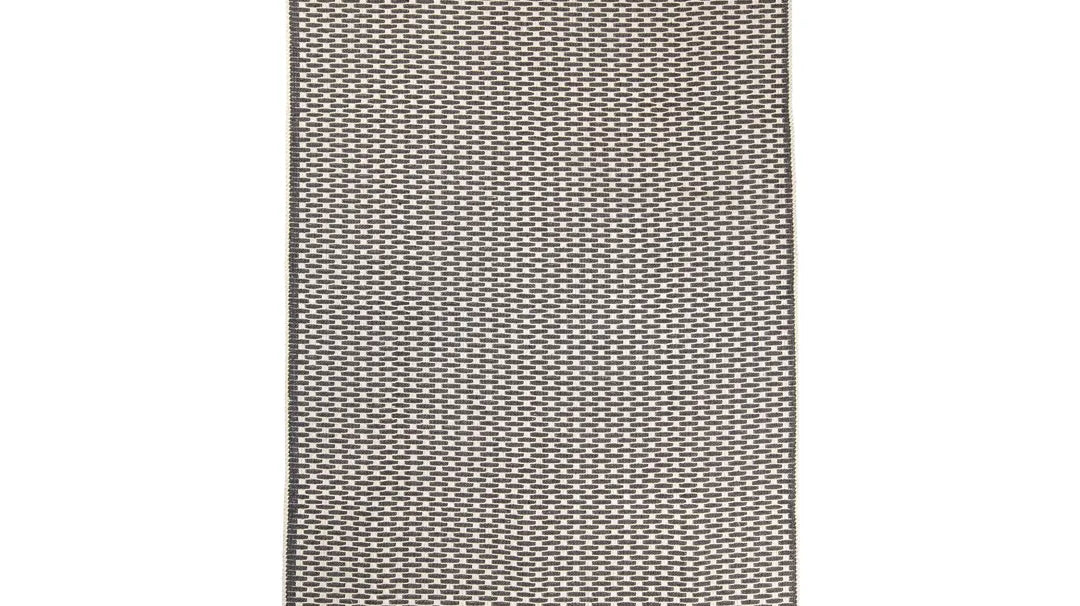
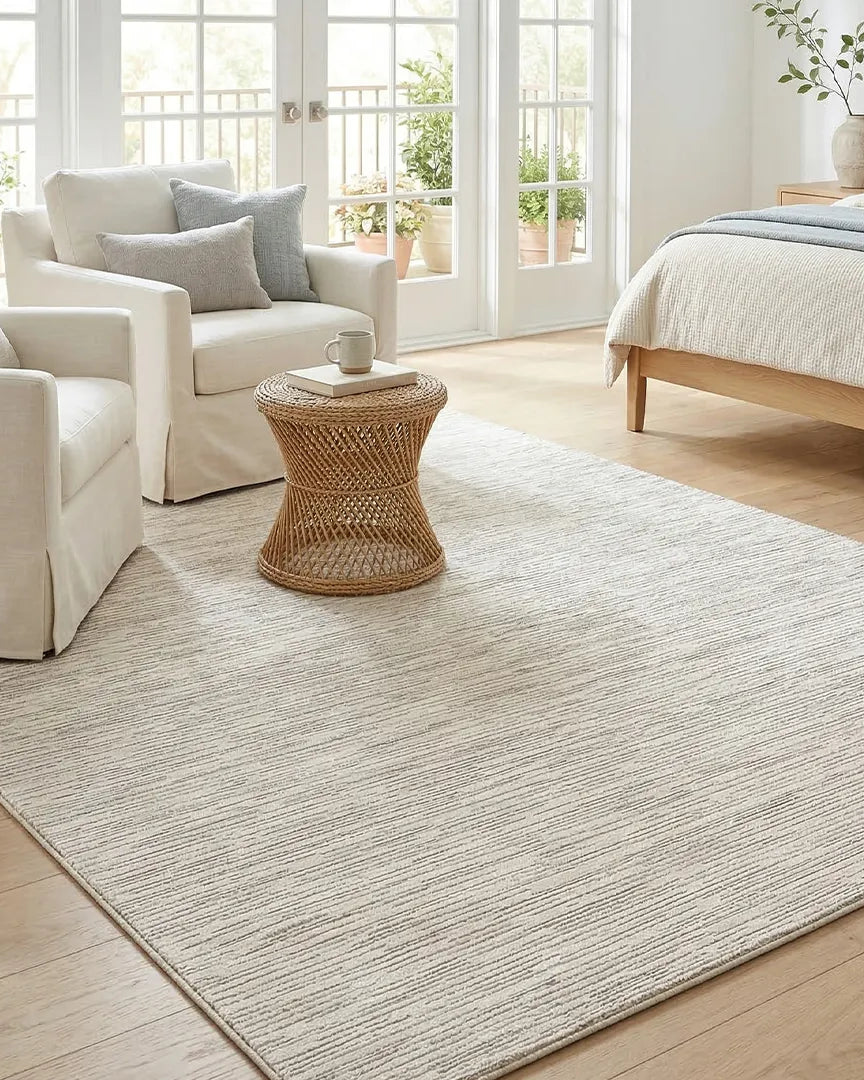
If you are shopping for a heated room, the anthracite geometric check rug and the beige geometric check rug are thin, low-pile options, and the whole range is in our machine washable rug collection. If you are thinking about a lower level, are washable rugs good for basements is worth a read as well.
Written by the Arconiz team. We source handwoven and machine washable rugs directly from manufacturers in Turkey and test every care instruction we publish on our own stock.