










Store an area rug by rolling it, never folding it. Clean the rug and let it dry completely, roll it pile-side in from the short end, tie it loosely, wrap it in a breathable cotton cover rather than plastic, and lay the roll flat and off the floor somewhere cool, dry and dark. Check on it every few months.
Why folding is the mistake almost everyone makes
A fold puts a hard crease through the backing of a rug and holds it there under the rug's own weight for months. On a flatweave that crease can eventually relax. On a rug with a stiffer backing, or a hand-knotted rug, a long-held fold can crack the foundation threads — and that damage does not come out.
Rolling spreads the bend over the whole length of the rug instead of concentrating it in four lines. Always roll from a short end, so you end up with a shorter, fatter roll rather than a long unwieldy one, and always roll pile-side in. The pile is the part you are protecting; putting it on the inside of the roll means the tougher backing takes the dust and the knocks.
Machine washable rugs are the one partial exception. Most are thin, low-pile and flexible, and folding one for a week or two while you repaint a room will not hurt it. Even then, if it comes out creased, our guide to getting creases out of a washable rug covers the fix. For anything longer than a fortnight, roll it.

Step one is the one people skip: get it properly clean and properly dry
Dirt in a stored rug is not cosmetic. Two things live in a rug that is put away dirty.
Moths and carpet beetles are drawn to protein — food crumbs, pet dander, skin cells, sweat, and in wool rugs the fibre itself. A vacuumed, washed rug is a far less appealing meal. Mildew needs moisture, and a rug can feel dry on the surface while the base of the pile is still damp. If you have just washed a rug, give it longer than you think, then feel deep into the pile with the back of your hand and check the backing too.
For a washable rug, run a normal cold wash and air dry it flat. For wool, follow how to clean a wool area rug first — wool is the material most likely to be eaten in storage and the least forgiving if it goes away damp. For anything large, how to clean a large area rug at home walks through doing it without a professional.
What to wrap it in — and what not to
This is where good intentions cause the most damage. Plastic sheeting and vacuum-seal bags feel protective, and they are exactly wrong for natural fibres. Plastic does not breathe, so any residual moisture in the rug has nowhere to go and condenses against the fibres. Six months later you unroll a rug with brown water marks and a smell.
| Wrapping | Verdict | Why |
|---|---|---|
| Cotton sheet or unbleached muslin | Best | Breathes, blocks dust and light, costs nothing if you have an old sheet |
| Breathable rug storage bag | Best | Same idea, with a zip and handles |
| Acid-free tissue between layers | Good for antiques | Stops dye transfer on old or hand-knotted pieces |
| Kraft paper | Acceptable short term | Breathes, but tears and offers no real protection over months |
| Plastic sheeting or bin bags | Avoid | Traps humidity against the fibres; the main cause of mildew in stored rugs |
| Vacuum-seal bags | Avoid | Airtight and they compress the pile flat for months |
| Duct tape or cord on the rug | Avoid | Adhesive residue and permanent compression lines |
If the rug genuinely has to sit in a damp garage and plastic is the only option, wrap it in cotton first, leave the ends of the plastic open so air can move, and put a moisture absorber nearby rather than inside the roll.
Where to put it
The ideal storage spot is cool, dry, dark and stable. A spare wardrobe, under a bed or a conditioned closet all beat a garage, a loft or a basement, because those three swing between hot and cold and between humid and dry, and that cycling is what does the damage.
Two placement rules matter more than people expect:
- Store the roll horizontally, not standing on end. A rug left upright for months settles onto its bottom edge and comes out with a distorted, wavy end that will not lie flat.
- Get it off the floor. Shelving, blocks, a pallet or a pair of sawhorses. Floors are where damp collects, where a leak runs and where insects travel. Never stack heavy boxes on a rolled rug either.
If a basement is the only option, read are washable rugs good for basements — the humidity issues there apply to storage just as much as to a rug in use.

Moths: what actually works
Moths and carpet beetles eat protein fibres, which means wool and silk are at risk and polyester, polypropylene and cotton are essentially not. If you are storing a synthetic washable rug, you can relax about insects and focus on damp instead.
For wool, a clean rug is 80% of the defence. Beyond that, cedar blocks and lavender sachets discourage adult moths but will not kill larvae already in the fibre — they are a supplement, not a solution. Traditional mothballs work but leave a smell that takes months to air out, so most people skip them. The genuinely effective habit is the boring one: unroll the rug two or three times a year, shake it, look at it, and put it back. Larvae need to be left undisturbed to do real damage.
Storage times, by material
| Rug type | Main risk in storage | Check it every |
|---|---|---|
| Machine washable, low pile | Damp, creasing | 6 months |
| Wool or wool blend | Moths, mildew | 3 months |
| Hand-knotted or antique | Moths, dye transfer, foundation cracking | 3 months |
| Jute, sisal or hemp | Mildew — these absorb humidity readily | 3 months |
| Shag or high pile | Crushed pile | 6 months, re-roll loosely |
Bringing it back out
Unroll the rug and leave it to breathe and relax for a day before you judge it. Most storage creases drop out on their own once the rug is warm and lying flat under furniture. If they do not, the reverse-roll and weighting methods in how to flatten a new rug work exactly the same way on a rug coming out of storage.
Vacuum both sides before it goes back down, and put the rug pad or non-slip backing back in place — a rug that has been rolled for months sits slightly unevenly at first, which is when it is most likely to slide. Our guide to stopping a rug from slipping covers the options, and whether a washable rug needs a rug pad answers the question for thinner rugs specifically.
The Arconiz angle
We ship every rug rolled, not folded, for the same reason we are telling you to store them that way — it is the only method that reliably puts a rug on the floor flat. Our rugs travel from the mills we work with in Turkey directly to us with no middleman in between, and a rug rolled around a core arrives in better shape than one folded into a smaller, cheaper box.
It is also worth saying that a rug you can wash is a rug you can store without a professional clean first. That is a real practical advantage of the format, and one reason people end up with a summer rug and a winter rug rather than one compromise rug. If you are weighing that up, our honest assessment is in are machine washable rugs worth it.
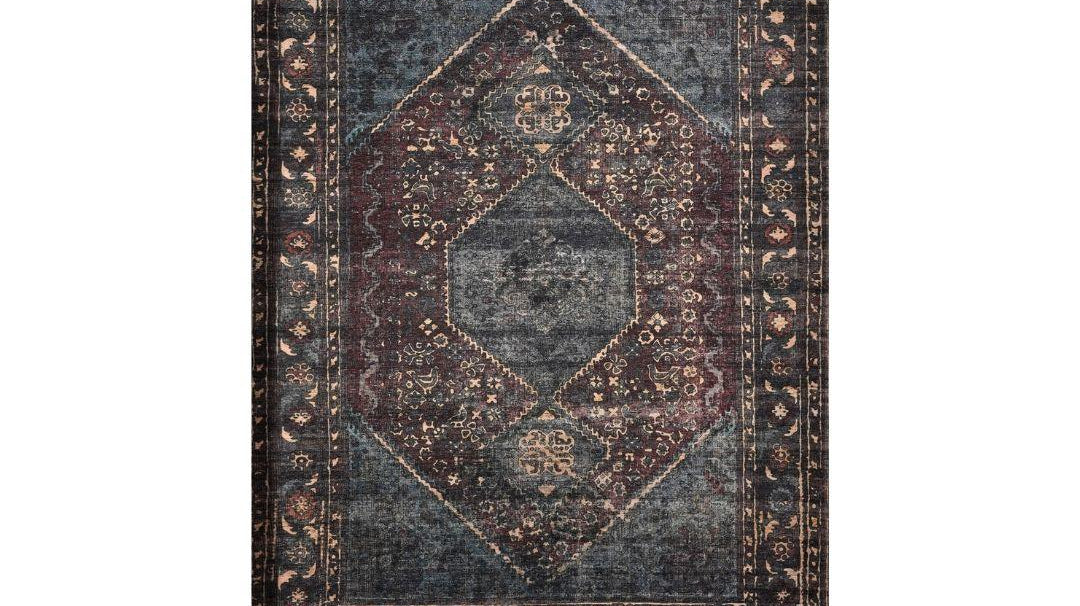
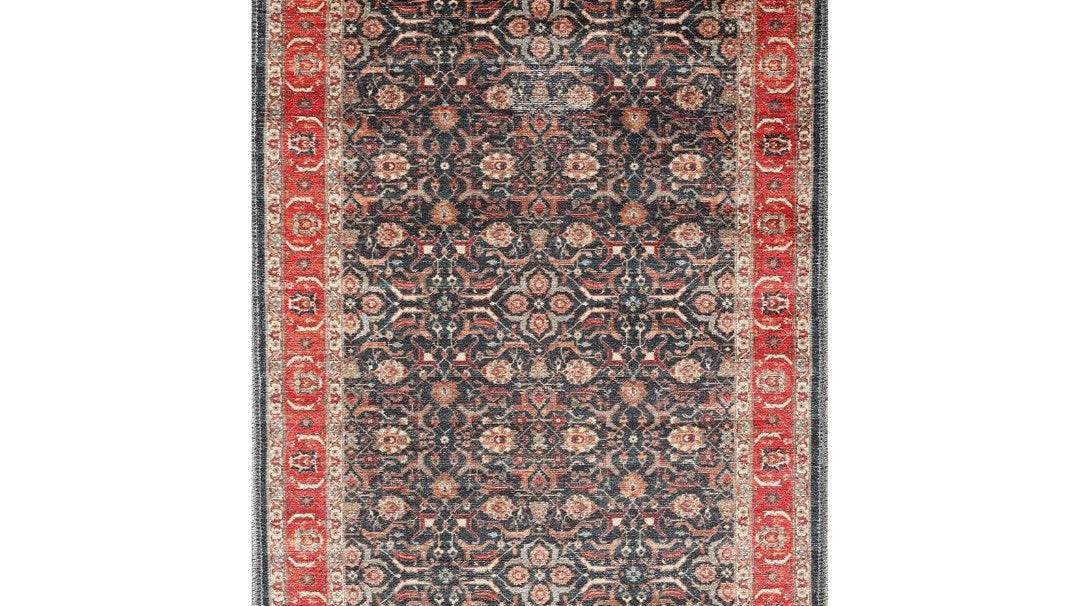
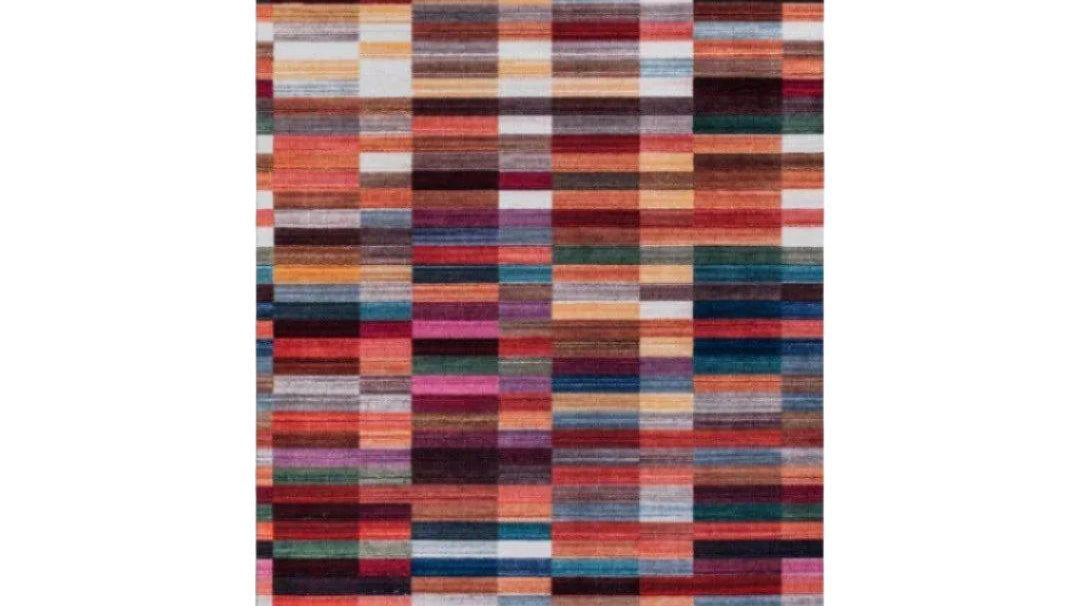
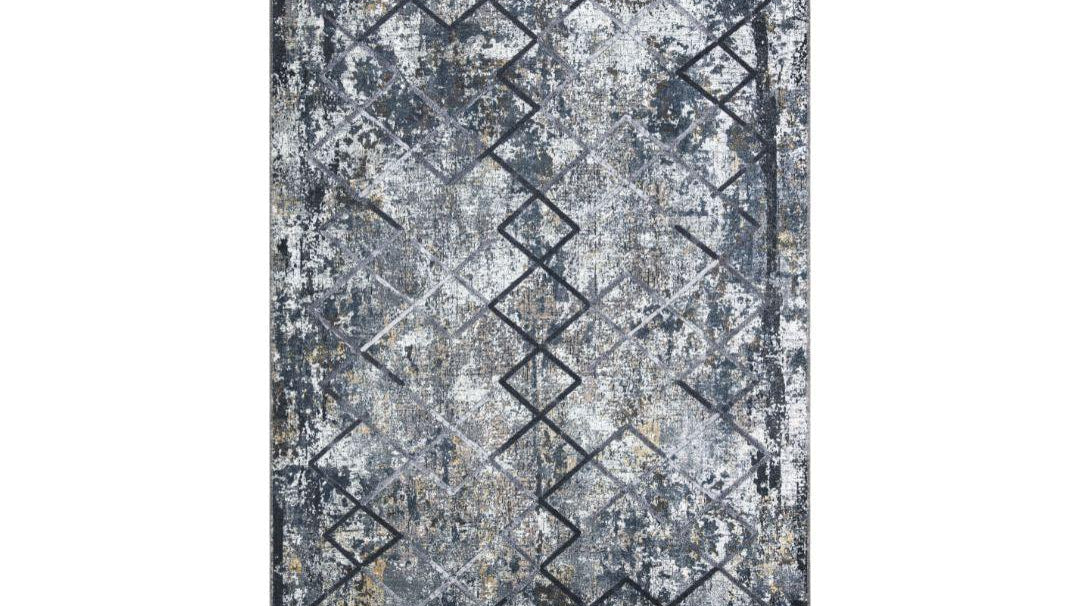
For a rug that is easy to swap seasonally, a low-pile flatweave is the easiest thing to live with — the gray medallion vintage distressed rug and the multicolor chevron kid and pet friendly rug both wash cold, dry fast and roll small. You can browse the full range in our machine washable rug collection.
Written by the Arconiz team. We source handwoven and machine washable rugs directly from manufacturers in Turkey and test every care instruction we publish on our own stock.